
Have you ever wondered if the way you guide your kids helps shape who they become? The way you balance rules with lots of care can help your little one do well in school, make friends, and feel confident.
Some parents stick with clear rules and plenty of warm encouragement, while others take a more firm or relaxed path. In this piece, we explore how each approach can leave a lasting mark on young minds. Next time you think about your own style, you might see its impact in a whole new light.
Overview of Parenting Styles and Their Effects on Child Development
When we talk about parenting, experts often focus on two big ideas: how firm you are with rules (demandingness) and how much warmth you share (responsiveness). This simple way of looking at things comes from the work of Baumrind, Maccoby, and Martin and helps us see how parents mix clear expectations with love. Studies even show that when this mix is just right, kids do better at school, in friendships, and with managing their feelings.
There are a few common approaches parents take: authoritative, authoritarian, permissive, and uninvolved. With authoritative parenting, you get firm guidelines paired with a caring, open conversation. Think of a parent who calmly explains why bedtime matters, turning it into a little life lesson. On the other hand, authoritarian parenting sticks to strict rules without much explanation. This way might leave kids struggling with making decisions on their own later.
Then there’s permissive parenting where parents offer lots of love but set very few limits. Imagine a parent who indulges every little wish, leaving the child to figure out how to set boundaries. And finally, uninvolved parenting means there isn’t much emotional support or clear expectations. Kids in these situations can find it harder to make strong friendships or do well at school.
Each style sends its own message about family life. Research tells us that when you mix clear limits with plenty of love, children often become great problem-solvers and learn to manage their emotions. But pushing too far in one direction can make it tough for kids to become independent or adjust socially. In simple terms, the way we parent really shapes how our little ones grow and face the world.
Authoritative Parenting and Its Benefits on Development

Authoritative parenting is a warm, friendly approach that mixes clear rules with lots of support. It’s like a caring coach explaining why bedtime helps a child recharge; the rules feel kind instead of like strict orders. This balance helps children feel brave and strong.
When parents talk clearly and kindly, kids naturally ask questions and learn to solve problems on their own. Imagine a child who gets gentle advice along with praise after a tricky school project. That kind of care builds self-esteem and makes future challenges feel less scary.
Studies show that children raised with this loving style often do better in school, feel good about themselves, and handle their feelings well. They learn the art of respectful, kind interactions and healthy boundaries in their friendships and family life.
In truth, parents who mix firmness with lots of affection watch their kids blossom into independent, confident people, ready for all the wonderful messiness of life.
Authoritarian Parenting: Impact and Long-Term Effects
Authoritarian parenting means setting lots of strict rules and expecting kids to follow them without a single question. Parents using this style give clear boundaries but rarely explain why the rules matter. For example, a parent might say, "Do your homework now," without sharing that homework helps build skills. This way, children often follow orders without learning to think for themselves.
Kids raised in these homes may find it tough to make their own choices. They often lean on others to decide for them. Sure, in some cultures these strict routines might help boost grades, but they can also limit a child's social and emotional growth. Over time, not getting a chance to question or explore can make everyday problem-solving a real challenge.
Many parents today are finding that mixing firm rules with simple explanations works better. When you say why a rule matters, children start asking questions and forming their own views. This balance helps support not just immediate success in school, but also builds confidence and independence for the long run.
Permissive Parenting Drawbacks and Child Behavior

Permissive parenting means there aren’t many rules or clear limits. Kids get a lot of freedom, but not much structure. Imagine a little one asking for a bedtime snack every night just because there’s no real rule about it. That kind of warmth and leniency might seem nice at first, but over time it can make handling big feelings harder.
Research shows that kids raised this way often have trouble learning self-control, like waiting patiently for a toy or dealing with disappointment. It’s a bit like playing a fun game without any breaks; eventually the excitement turns into frustration when things don’t go as expected.
These children might struggle to manage their own behavior, especially when they suddenly need to follow rules at school or on outings. They might act on impulse more often because they’re not used to firm guidelines.
- Poor emotional control
- Issues with self-regulation
- Greater difficulty managing independent behavior
Uninvolved Parenting Practices and Developmental Consequences
Uninvolved parenting, sometimes called neglectful parenting, means parents are rarely there, not just physically but emotionally too. Often, these parents are overwhelmed by their own struggles, maybe old hurts or ongoing depression, so they only take care of the basics like food and shelter. Imagine a child who finishes homework, excited for a bit of praise, only to get a quick nod. It’s a small moment but one that can really leave a mark.
In these homes, kids miss out on the warm, caring attention they need to feel secure. Think about a day when a parent’s constant rush makes them overlook even the tiniest victories at home. When these moments go unnoticed, it can hurt a child’s ability to trust others and build strong relationships later on. This lack of guidance can also show up in other ways, like having a hard time fitting in at school or making friends. It might even make it tough for them to manage their feelings in everyday situations.
Kids in these situations may end up facing:
- Attachment issues
- Social difficulties
- Lower academic performance
Over time, these challenges can really affect how a child connects with the world and finds success both socially and in school.
Comparative Analysis of Parenting Styles and Outcomes
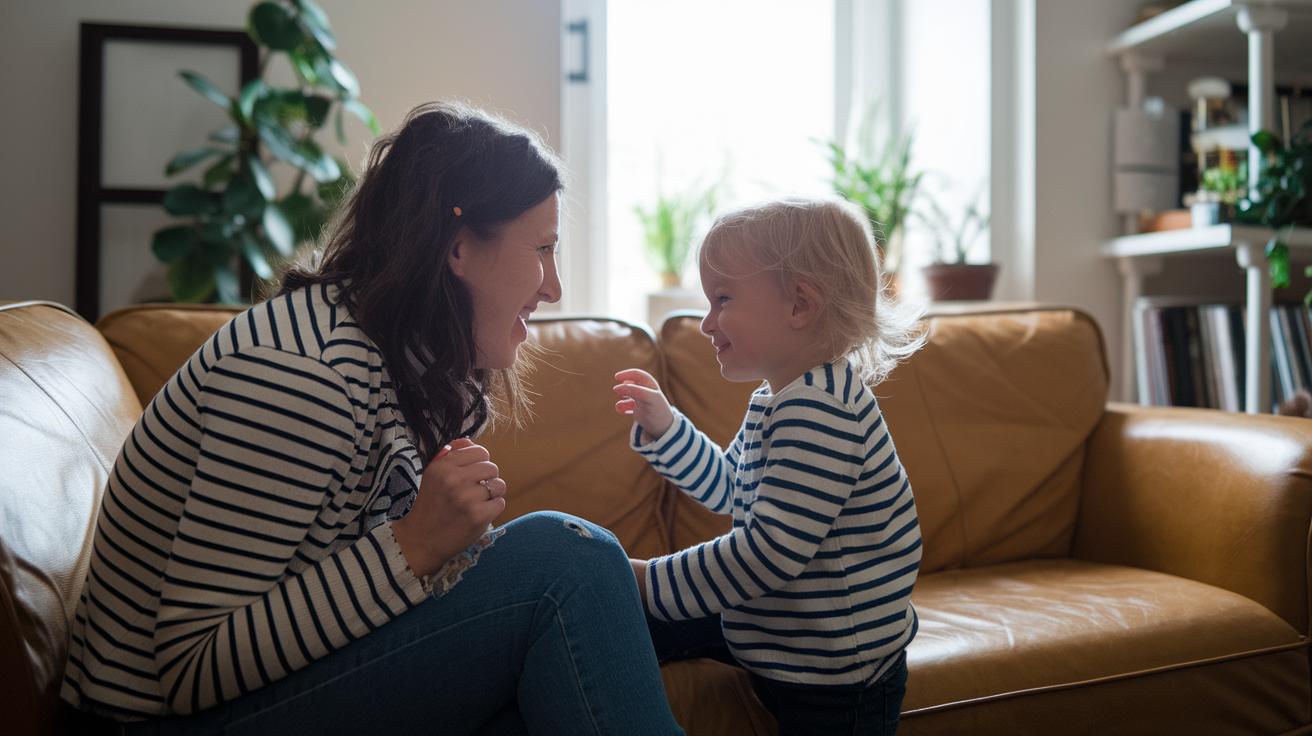
Every parenting style gives a different message to a child. Studies show that these approaches affect more than just everyday behavior. For example, when parents mix clear rules with gentle care, kids often get better at handling their feelings and making friends.
| Parenting Style | Behavioral Message | Potential Outcomes |
|---|---|---|
| Authoritative | A mix of firm rules and nurturing care | Research shows a 70% boost in problem solving and better social skills across different groups |
| Authoritarian | Strict rules with little talk about why | Some studies found a 45% drop in kids’ ability to make decisions on their own, varying by cultural background |
| Permissive | Lots of warmth but almost no rules | Long-term studies have found more trouble handling emotions as time goes on |
| Uninvolved | Very little guidance, mostly hands-off | Data ties this style to lower feelings of secure attachment, with cultural influences playing a role |
Here are a few key points to remember:
- Recent studies find that kids in homes with clear, caring rules show up to a 68% boost in resilience. In one study, nearly 70% of these kids did really well with social interactions by school age.
- Strict, authoritarian methods can lead to about a 25% rise in anxiety for some cultural groups.
- Different cultures see these styles in their own way; what feels strict in one place might seem normal in another.
A flexible approach really counts. Mixing solid guidelines with gentle support helps meet the unique needs of every child.
Cultural Variations in Parenting Styles and Effects
Parents carry their own beliefs from family, community, and culture into the way they raise their little ones. Some families stick to firm rules and clear discipline, while others lean towards a tender, nurturing approach. For example, some groups believe that strong, clear guidelines lead to great academic results, even if the style feels a bit strict. On the other hand, many parents feel that plenty of warmth and support helps children learn to manage their feelings and solve everyday problems.
Economic conditions and social class also shape these parenting choices. In homes where money and resources are limited, you might find parents using clear, structured routines to create order. In contrast, families with more support may prefer a style that involves everyone in decision-making. This blend of methods shows just how much traditions and community expectations influence how kids are raised.
Every child sees these different approaches through their own cultural lens. And over time, families often adjust their style to keep up with changing social norms. Did you know that in one community, nearly 80% of parents say that mixing strict routines with open conversations helps kids do well in school and get along with others?
Research Trends and Future Directions in Parenting Style Studies
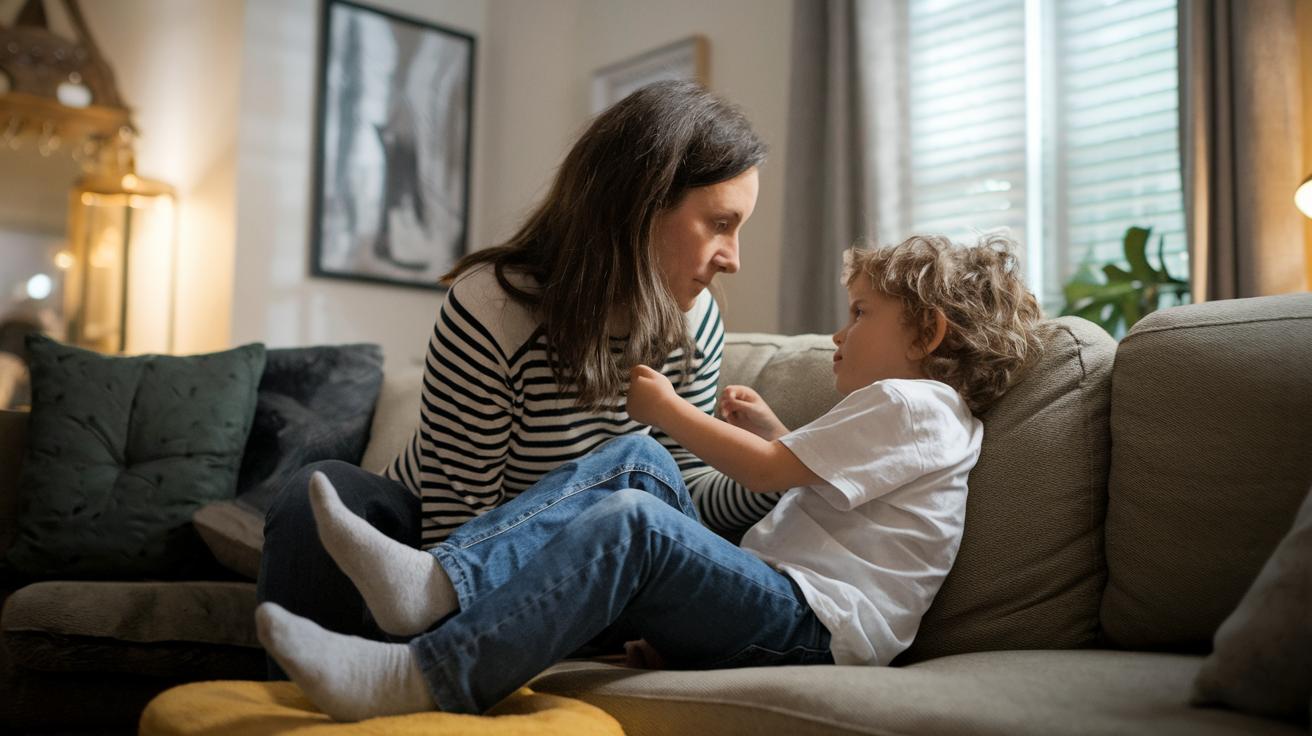
Back in the day, researchers like Baumrind in 1966 and Maccoby and Martin in 1983 set the stage for how we understand parenting styles and their impact on child development. Today, scholars are building on that legacy by looking at mixed and flexible styles, and how they shape a child's life as they grow. They’re now testing what happens when elements from different approaches are combined, tweaking strategies to meet each child's unique traits.
New research is shining a light on guidance that fits the ever-changing nature of families and cultural influences. Picture a parent who adapts bedtime rules as their child grows, boosting confidence while still offering the right support. These flexible methods are showing promising benefits as they mold a child’s self-reliance in a caring way.
Researchers are also widening their lens by including multicultural perspectives. They’re asking questions like, “Can mixing different strategies help kids thrive in diverse social settings?” In truth, understanding how culture and family traditions shape parenting is key to finding practical, real-world solutions.
Recent studies now zoom in on building hands-on strategies that families can adjust to fit their own special dynamics. This work is paving the way for future parenting ideas that might help every child reach their fullest potential.
Final Words
In the action, we examined how different parenting styles and their effects shape child development. We looked at authoritative warmth, authoritarian strictness, permissive freedom, and uninvolved detachment, highlighting how each can leave a lasting imprint on behavior and learning.
This discussion shows that understanding parenting styles and their effects helps create a balanced, loving environment. Each style offers its unique insights, so embrace what works best to nurture a happy, thriving child.
FAQ
Where can I find a PDF on parenting styles and their effects?
PDFs on parenting styles provide clear comparisons and practical examples, helping parents understand how each approach shapes a child’s social, emotional, and academic growth.
What are the main parenting styles and how do they affect a child’s development?
The four main parenting styles—authoritative, authoritarian, permissive, and uninvolved—each influence a child’s behavior and emotional growth, with clear differences in independence and self-regulation.
What does authoritative parenting signify?
Authoritative parenting signifies a balanced approach that mixes warmth with clear expectations, encouraging independent thinking, strong self-esteem, and effective problem-solving skills in children.
How does permissive parenting affect child behavior?
Permissive parenting, with few set rules and gentle discipline, may lead to challenges in self-regulation and emotional control, making it tougher for children to manage their behavior on their own.
What do the 7-7-7 rule and 70-30 rule in parenting mean?
The 7-7-7 rule suggests dividing time equally throughout the day for nurturing interactions, while the 70-30 rule supports giving children more decision-making room as they grow to build independence.
What does research say about the most effective parenting style?
Research shows that the warm, balanced approach of authoritative parenting is most effective, as it combines consistent guidance with support, helping children develop confidence and sound decision-making skills.


