Nursery
Choosing The Right Crib For Your Nursery: Ideal
By Anna Watts
November 14, 2024
Field Notes
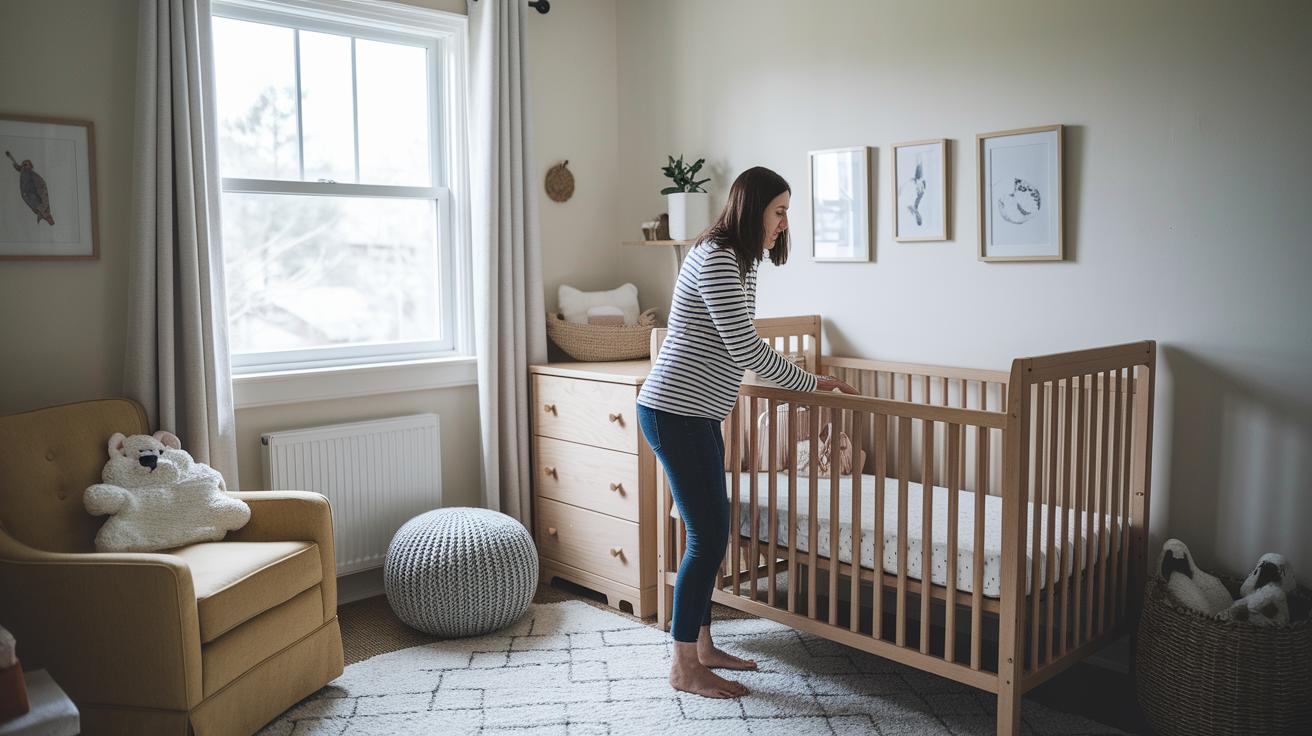
Have you ever wondered if your baby’s crib might be hiding some risks? Choosing a crib isn’t just about making your nursery look pretty, it also means giving your little one a safe place to sleep.
Let’s chat about how you can pick a crib that not only follows safety rules but also adds a warm, cozy touch to your room. We’ll talk about using finishes that are free from harsh chemicals (non-toxic), choosing strong, lasting materials, and finding designs that can grow along with your child.
Imagine wrapping your baby in a gentle hug every night. Let’s explore these tips together and help you create a safe, inviting space that both you and your baby will love.
Essential Criteria for a Safe and Stylish Nursery Crib
When you're picking out a crib, make sure it follows the U.S. CPSC standards from 2011. That means no drop-side rails, slats no wider than 2 3/8 inches (60 mm), and corner posts that stick out no more than 1/16 inch. Really, even a tiny raised corner can mean a big difference between a safe sleep space and a potential trap.
Next, check for JPMA and Greenguard certifications. These marks tell you that the finishes are non-toxic (safe for little ones) and that the crib has been tested carefully. Look for sturdy materials too. A solid wood crib feels classic and strong, while engineered wood or metal offers a modern look that’s built to last.
Convertible cribs can grow with your child by turning into toddler beds. Sure, the conversion kits might boost the price a bit, but the extra months of use might be worth it. Also, remember to pick a mattress that is firm, water-resistant, and fits just right, with less than a finger-width gap on all sides, so your baby’s developing spine stays supported.
Prices can range a lot. Some simple portable mesh cribs start around $100, while a solid-wood convertible crib can even be close to $1,000. Think about your budget and how long you want this crib to be in service. And when it comes to style, imagine choosing something that matches the cozy charm of your nursery decor, it’s like adding that perfect finishing touch to your baby’s special space.
Create a little checklist with these key points: safety standards, non-toxic labels, durable materials, flexible design, and matching style. This will help you narrow down the crib choices to the one that feels just right for your family.
Nursery Crib Safety Standards and Certifications
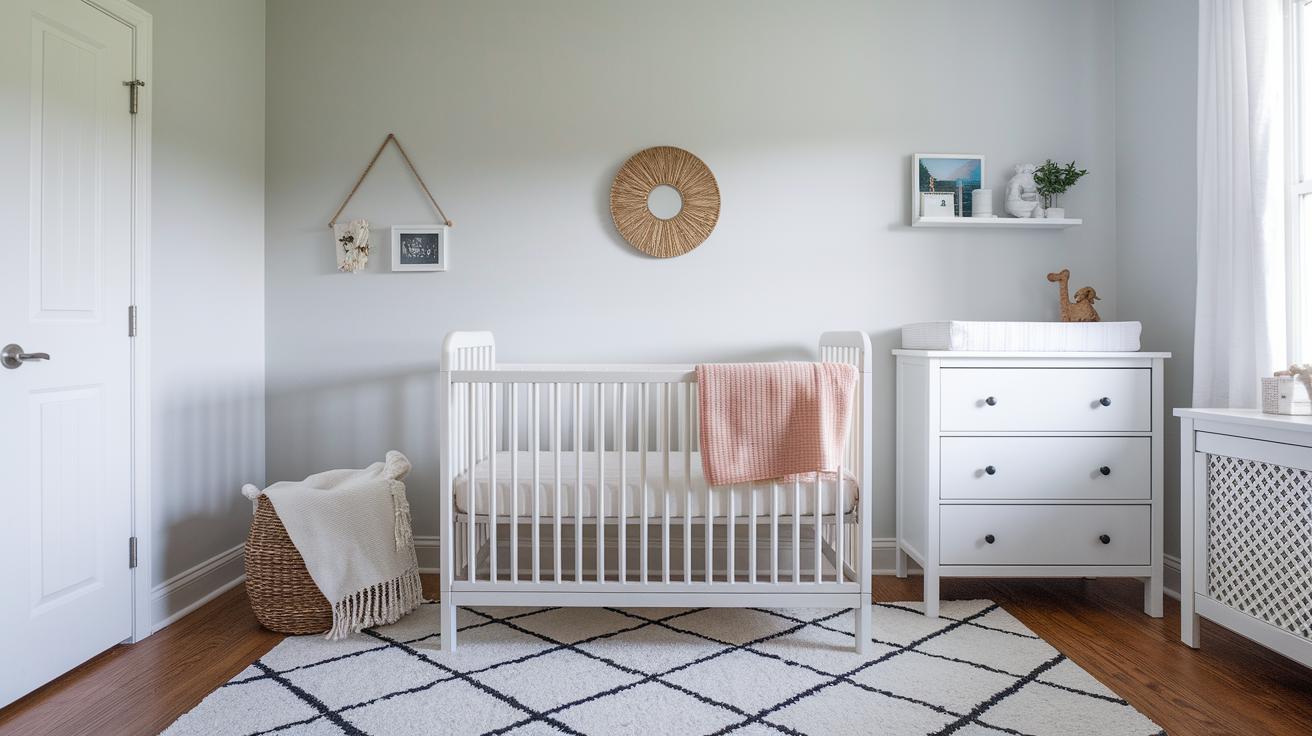
Every nursery crib has to follow firm safety rules from the CPSC (Consumer Product Safety Commission from 2011) to protect your baby. That means no drop-side rails, the slat spacing must be about 2.38 inches or less, and the corner posts should stick out no more than 1/16 inch from the side rails. Plus, all finishes need to be non-toxic. Certifications like JPMA and Greenguard show that the plastic and wood coatings have been tested for safety. ASTM standards also confirm that the crib is built strong and safe.
If you're considering a used crib, give it a careful once-over. Check for things like cracks, splinters, loose screws, or peeling paint. It's like inspecting your child's favorite toy before playtime, look for any rough spots or wobbly parts that might be dangerous. This extra step makes sure the crib still meets today’s safety standards.
And don’t forget about safe sleep habits. Following guidelines for safe sleep can help lower the risk of SIDS (Sudden Infant Death Syndrome, a rare but serious condition) and keeps your little one’s sleep space secure, giving you extra peace of mind.
Comparing Crib Types and Convertible Sleeping Solutions for Your Nursery
Standard Cribs
Standard cribs are simple and reliable. They measure about 28 inches by 52 inches and usually set you back between $100 and $400. They fit with common mattress sizes, so switching out the mattress is a breeze. Think of it like picking your favorite family car, comforting and familiar. A standard crib is a classic choice for a nursery that sticks to the basics.
Convertible Cribs
Convertible cribs are neat because they can change into toddler beds using a conversion kit (usually sold separately). They’re a bit pricier, usually around $400 to $1,000, but they grow with your little one, offering great long-term value. It’s like buying an investment that adapts as your child grows.
Multipurpose Cribs
Multipurpose cribs pack in extra features such as built-in changers or storage. They’re perfect if you’re working with a smaller space. With these added perks, you can keep your nursery tidy, almost as if you had a changing table built right into the crib.
Travel and Portable Cribs
Travel or portable cribs are designed with mobility in mind. They have mesh sides and foldable designs, and they usually cost between $50 and $200. They’re light and easy to move around, making them a smart choice if you need flexibility for visits or compact living areas, even if they might not be as sturdy as other options.
Mini Cribs
Mini cribs are on the smaller side at roughly 24 inches by 38 inches, with prices ranging from $150 to $300. They’re great for little rooms, but you might find that your growing baby outgrows them sooner.
| Type | Pros | Cons |
|---|---|---|
| Standard | Affordable, fits common sizes | May have a limited lifespan |
| Convertible | Grows with your child for long-term use | Higher initial cost |
| Multipurpose | Saves space with built-in features | Takes up a bit more room |
| Travel | Portable and lightweight | Not as durable |
| Mini | Ideal for small spaces | Your baby may outgrow it quickly |
Material Types and Non-Toxic Finishes for Nursery Cribs
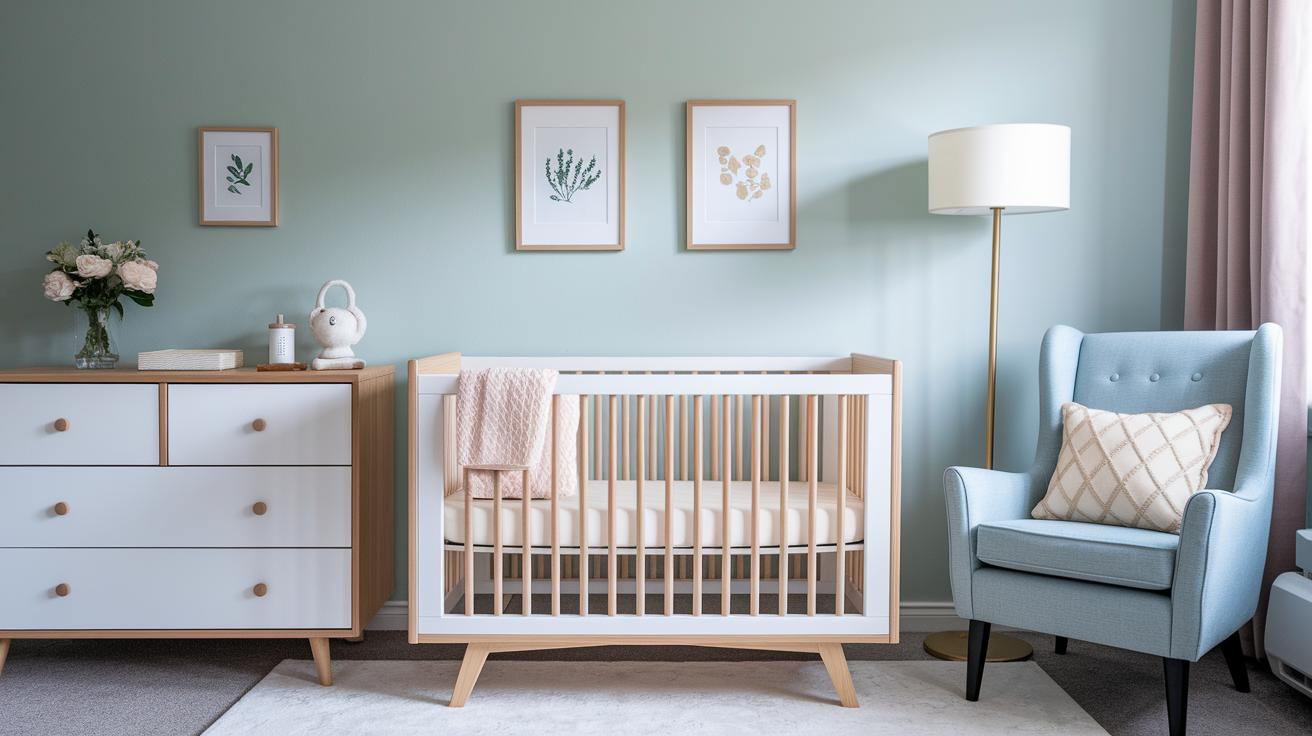
When you're picking a crib, the materials and finishes really count for keeping your nursery safe and cozy. Think about solid woods like maple and oak, they're built tough and show off a natural grain that feels warm and classic. Imagine a crib as strong as a tree trunk. That's the kind of reliability quality wood brings.
Engineered wood and MDF are friendly on the budget, but you need to make sure they're formaldehyde-free (meaning no harsh chemicals are used). It’s like choosing a smart, practical option without compromising your baby's safety. And then, there are metal frames made from steel or aluminum that offer a modern, sleek look while lasting a long time, even if they feel a bit heavier.
Non-toxic finishes are just as important. Look for cribs painted with water-based paints or finished with low-VOC stains (they release fewer harmful chemicals), ideally Greenguard-certified. This means the crib stays smooth without splinters or peeling paint, just like a gentle, comforting hug for your baby.
Size Guidelines and Mattress Compatibility for Your Nursery Crib
Crib safety changes as your baby grows, and many modern cribs let you adjust the mattress height. They typically offer two to four settings so you can start with a higher level for your newborn and lower it once your little one begins to sit up. It’s a bit like giving your baby a gentle, secure hug every night, making bedtime care that much easier. Enjoy the peace of mind knowing your crib adapts as your child does.
Budget-Friendly Solutions and Quality Assessment for Nursery Cribs
When choosing a crib, it’s important to think about long-term strength. Manufacturers often run tough tests that mimic everyday use. For instance, one test puts the crib through 10 rounds of weight pressure, kind of like a toddler’s active play, to show that its joints can handle real-life fun.
It also helps to check the warranty and any lab test results. Look for cribs that come with longer warranties or special performance certificates, which can show that the makers really believe in the crib’s durability.
Here are some practical, budget-friendly tips when shopping for a crib:
- Compare different models by checking how they’ve been tested for lasting strength.
- Watch for seasonal deals that include extra warranties or quality checks.
- Ask for a live demo at the showroom. Imagine gently rocking the crib to feel just how sturdy the hardware is.
This friendly approach blends hands-on quality checks with smart budgeting. In the end, you’ll find a safe, durable crib that’s built to last through years of little ones’ adventures.
Design Trends and Style Options for Your Nursery Crib
Modern crib designs really shine with simple, clean lines. Crisp frames, gentle neutral colors, and hidden hardware come together to create a space that is both stylish and soothing. It’s like everything just fits, especially when you choose a soft, neutral palette for your nursery.
Then there’s the Scandinavian style, which brings in light woods, clear outlines, and very few extra details. Imagine a bright, airy room where the soft feel of fabrics meets practical accessories. It’s a calm, inviting backdrop for your little one’s space.
If you’re looking to add a bit of character, why not try a vintage revival crib? These pieces often reuse charming antiques with low-VOC (low chemical emissions) finishes to keep things safe and eco-friendly. With handy touches like under-crib drawers or built-in shelves, you get a great mix of old-world charm and modern convenience.
Matching your crib with wall art, textiles, and lighting really ties everything together. Coordinating colors is a simple way to create a warm, unified look. For more ideas on how to blend your crib’s color with other decor elements, check out baby nursery decor tips.
Assembly and Maintenance Guides for Your Nursery Crib
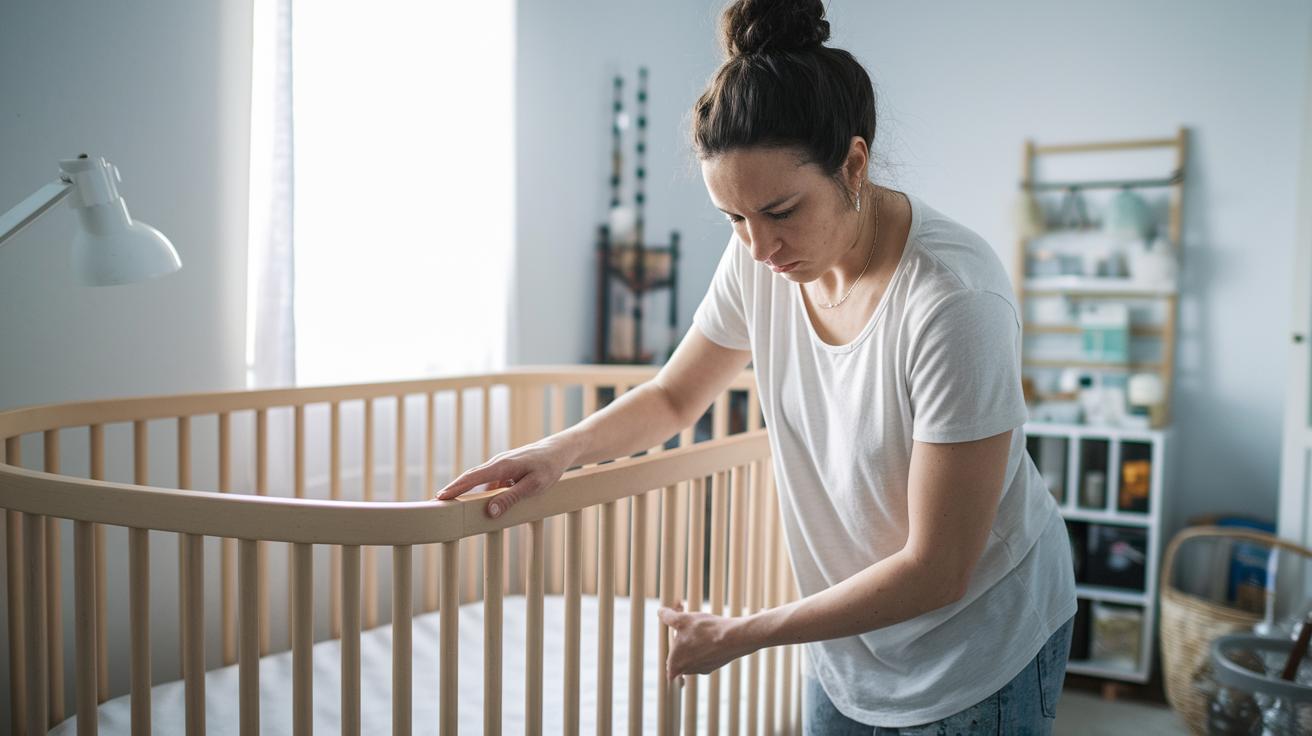
When you first open your new crib, take a moment to gather every piece just like the factory instructions show. Keep all the little screws, brackets, and hardware together in a small container so nothing slips away. As you go through each step, make sure every part is snug and secure. Sometimes, after tightening a screw, give the crib a little shake, almost like checking if a puppy’s bed is cozy.
Once your crib is all put together, place it in a safe corner away from windows, blinds, cords, and mobiles. This helps keep your little one safe from hazards. Clean the surfaces once a month with a mix of mild soap and water, and avoid any harsh cleaners that might ruin the finish. It’s a good idea to regularly look over the crib’s slats, conversion parts, and overall structure, kind of like giving your favorite chair a quick check-up. These simple, regular checks bring peace of mind and keep each night as safe and welcoming as that very first one.
Final Words
In the action, this guide walked through key safety rules, materials, and design ideas that match your nursery vision. It broke down crib types from standard to convertible and gave easy tips on assembly and upkeep.
Every detail aims to help you feel confident while saving money on quality finds. Keep these insights in mind while choosing the right crib for your nursery. Enjoy building a cozy space that grows with your little one!