
Ever wondered if one little hop could mean more than just fun? Baby jumpers give your little one a safe spot to bounce around while building muscle and learning balance. They turn playtime into a mini workout that mixes fun with movement skills, imagine a soft seat that helps grow those muscles with every joyful jump.
In this friendly guide, we share our favorite picks, from charming ocean themes to wallet-friendly choices. It’s all about how a little hop here and there can support your child's growth and sprinkle extra cheer into playtime.
baby jumper: Joyful Hop for Happy Infants
- Fisher-Price Rainforest Jumperoo (ease-of-use score: 7.0)
- Baby Einstein Neptune’s Ocean Discovery (ocean-themed fun)
- Graco Doorway Bumper Jumper (budget-friendly choice)
- Skip Hop Activity Center (converts into a toddler table)
- Bright Starts Jumper (with extra play elements)
Imagine a comfy seat that lets your little one bounce safely, just like a mini trampoline made for baby. A baby jumper is a soft seat held by springs or rubber cords that lets your baby push off with their toes, giving them a gentle, bouncy hug.
It also helps your baby practice standing, while building arm and leg muscles for better balance and coordination. Babies really enjoy that natural, supportive bounce. One parent even shared that it feels like a fun mini workout that’s safe, and you can see their confidence growing little by little.
There are a few different styles to fit your home and your baby’s needs. Some jumpers stand on their own, perfect for one spot, while others attach to your doorway to save space. And if your baby outgrows the jumper, some models even transform into a toddler activity center, providing extra value as they grow.
In the end, baby jumpers blend fun with early movement skills. They let your infant enjoy a little bounce while gently supporting their growth, turning playtime into a series of joyful, memorable moments.
Baby Jumper Safety and Usage Recommendations

Before you set up your baby jumper, take a moment to check that your little one can hold their head up steadily, usually around 6 months, and weighs no more than 25 lb. Jumper seats are adjustable so they grow with your baby, and a quick check of the seat before playtime can really bring you peace of mind.
It’s a good idea to keep jumper sessions to 15–20 minutes and limit them to twice a day. Keeping things short helps protect those developing hips and legs. Remember, the jumper is just a fun way to mix up your baby’s day, not a replacement for floor play where they learn natural movements.
Always keep your baby in sight while they’re in the jumper. Set it up on a flat, clear surface away from stairs and hazards. A quick safety check can go a long way, take a moment to inspect the springs, elastic bands, straps, and frame to ensure everything is secure.
Experts say that balancing a little jumper time with plenty of floor play supports overall growth. Think of it as mixing a touch of exercise with free play, it helps build muscle and coordination naturally. Follow the manufacturer’s guidelines, and if any part of the jumper looks worn out, it’s time to fix or replace it to keep playtime safe and sweet.
Comparing Top Baby Jumpers: Reviews and Specifications
Our team checked out over 15 baby jumpers, looking at how easy they are to put together, whether they work well every day, and if they're simple to move around. We also thought about the fun features and how sturdy they are. Below is a handy table that shows five of our favorite jumpers side by side.
| Model | Ease-of-Use Score | Price | Jumper Type | Convertible Feature |
|---|---|---|---|---|
| Fisher-Price Rainforest Jumperoo | 7.0 | Mid-range | Freestanding | No |
| Baby Einstein Neptune’s Ocean Discovery | 6.0 | Mid-range | Freestanding | No |
| Graco Doorway Bumper Jumper | 6.0 | Budget-friendly | Doorway Mounted | No |
| Skip Hop Activity Center | 7.0 | High-end | Freestanding | Converts to toddler table |
| Jolly Jumper Stand | 4.0 | Lower-end | Freestanding | No |
Every jumper in our review was picked with busy parents in mind. For instance, the Skip Hop Activity Center catches attention because it can change into a toddler table. This means it grows along with your child, offering more fun for longer. On the other hand, Graco is a hit for moms and dads watching their spending, which is clear from many reviews on Amazon.
We listened to lots of parent feedback from places like Walmart too. Even small differences in how easy a jumper is to use can make a big difference, especially when extra features like the convertible design add long-term benefits. In the end, choosing the right baby jumper is all about finding the perfect balance between price, ease of use, and extra features to fit both short-term play and long-term growth.
Baby Jumper Buying Guide: Essential Features to Consider
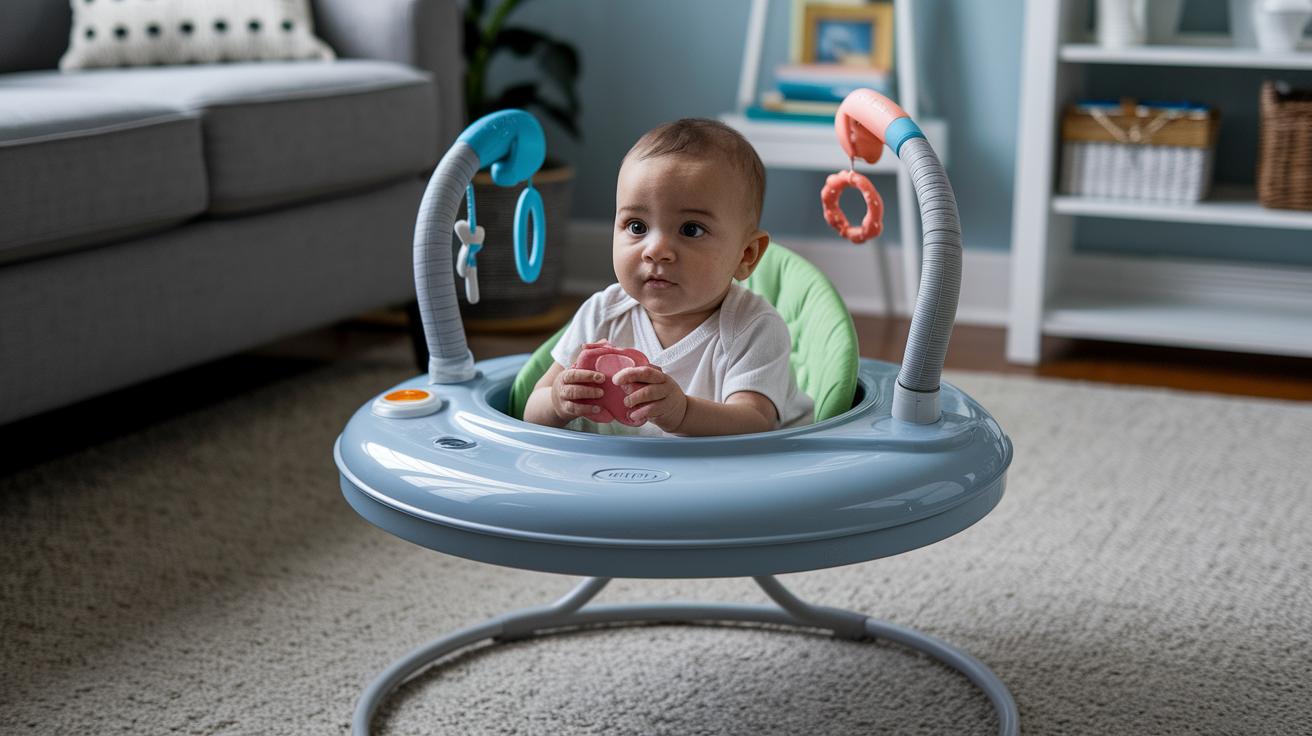
When you're shopping for a baby jumper, you want something that keeps your little one safe and is easy to use. Picture a comfy seat that supports your baby's bouncing fun and is simple to clean after spills or snack time. A jumper with a cushion that you can take off and toss in the washing machine really takes one worry off your plate.
It’s a big plus when the materials used are non-toxic (safe for your baby and even older siblings) because that means you can trust it for many little ones. Some jumpers even change as your baby grows, turning into a play area, which is super handy. And if you're short on space or often on the go, a foldaway design is a game-changer.
Adjustable settings make it easy to find the perfect fit as your baby develops, and a strong, durable frame means it will last through lots of playtime with little fuss. Assembly should be quick and easy so you can focus more on play and less on setup.
Here's a quick list of the key features to remember:
- Removable, machine-washable cushion covers for easy cleaning.
- Non-toxic materials, safe for all little ones.
- A convertible design that grows with your baby.
- A foldaway feature for compact storage and travel.
- Adjustable settings for personalized comfort.
- A durable frame built to handle lots of play.
- Quick and simple assembly for busy days.
Alternatives to Baby Jumpers and Transitioning to Walkers
When your baby nears 9 or 10 months, it's a great time for a change. Instead of using a jumper, try a stationary play center or a tummy time mat. These simple tools help build motor skills without the risks of too much jumper time. They let your baby explore new movements, like a little adventure on the floor.
Toys like exersaucers or hop-to-walk devices can really boost their balance and get them ready to walk. Think of these devices as gentle steps that guide your baby toward more independent movement. One parent said, "Switching to a hop-to-walk device felt like my baby was taking those first exciting steps to explore our home."
Experts recommend shortening jumper sessions and adding more floor play instead. This safe switch supports your baby's natural development and helps prepare them for the next stage with walkers and activity tables.
Final Words
In the action, this piece explored how a baby jumper not only provides a fun way for babies to bounce but also supports their muscle development and balance. We covered safety tips, reviewed top models, and shared practical buying advice.
We also touched on key features for a safe yet playful experience along with alternatives as little ones grow. Enjoy watching your baby light up with every joyful bounce!
FAQ
Do pediatricians recommend baby jumpers?
Pediatricians often support baby jumpers for developing leg muscles when used for short, supervised sessions. They stress careful monitoring and safety checks to prevent any risk during play.
At what age can a baby use a jumper?
A baby can usually use a jumper once they have full head control, typically around six months old, and while staying within the manufacturer’s weight limit, often up to 25 pounds.
What is the purpose of a baby jumper?
A baby jumper is designed to help infants practice standing and bouncing safely. It also aids in building muscle strength and offers a fun play experience when sessions are kept short.
What’s the difference between a baby bouncer and a baby jumper?
While both support gentle bouncing, a baby bouncer typically sits on a fixed base, whereas a jumper is suspended on springs or cables, allowing for a wider range of movement during play.


