Nursery
Safety Essentials For Baby Nursery: A Bright Start
By Anna Watts
December 6, 2024
Field Notes
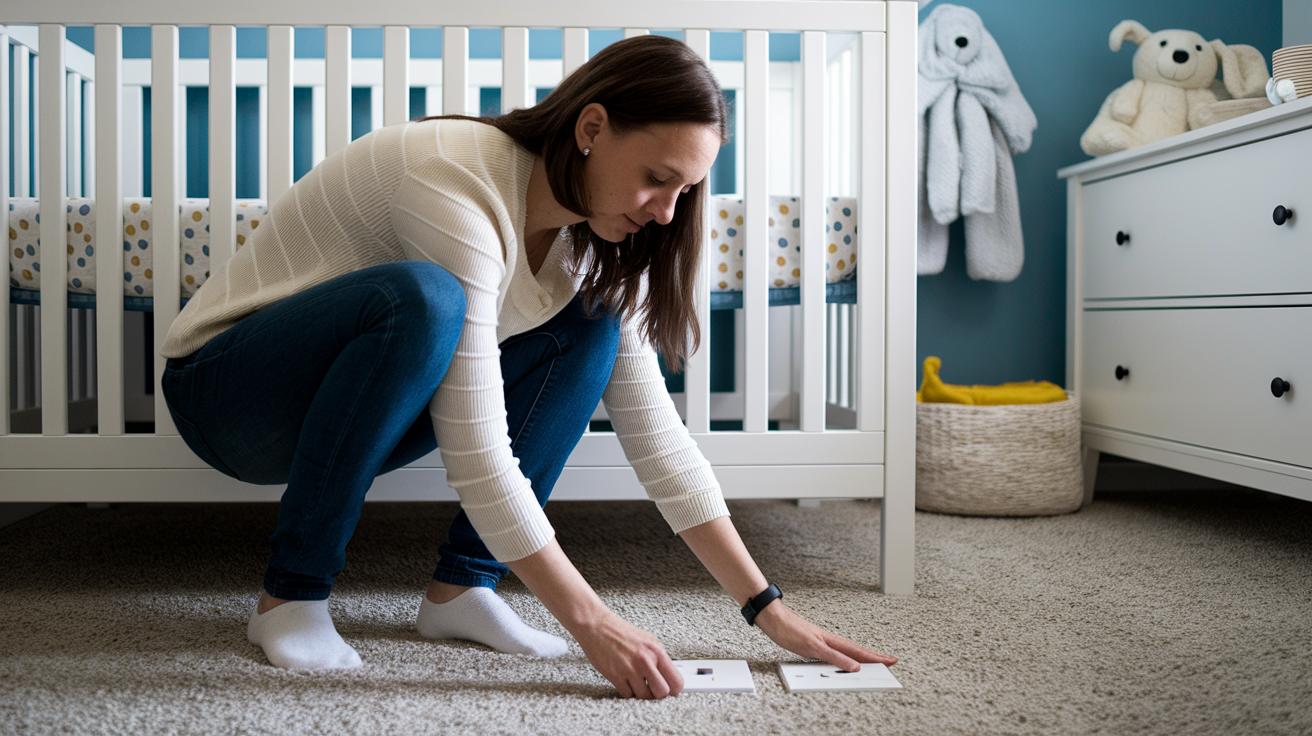
Have you ever taken a moment to check if every corner of your baby's room is safe? Even little things, like a cozy crib mattress or a baby monitor placed just right, can make a big difference.
Imagine a space where every detail is chosen to protect your little one while you rest easy. In this post, we'll help you set up a nursery that meets safety guidelines without breaking the bank.
It’s all about giving your baby a bright, safe start.
Safety Essentials for Baby Nursery: A Bright Start
Creating a safe nursery is all about paying attention to the little details that help keep your baby secure. When your baby's sleep space is arranged just right, you can rest easier knowing every measure meets top safety standards. For example, a well-fitted mattress with only a small gap (about the width of two fingers) and a baby monitor placed at least 3 feet away can help reduce risks while still keeping an eye on your little one. Simple additions like nightlights, outlet covers, and sliding cord clips mix safety with everyday convenience.
Here are some key basics to consider:
- A sturdy crib that meets federal safety standards (2011)
- A mattress that fits snugly, leaving no gap wider than two fingers
- A baby monitor kept at least 3 feet from the crib
- Nightlights that give a gentle, soft glow for visibility
- Outlet covers and sliding cord clips to block out electrical hazards
- No blankets, pillows, or bumpers in the crib to lower the risk of suffocation
- Regular checks to make sure all safety devices are in good working order
- A childproofing checklist that covers all safety bases
You don’t have to break the bank to create a secure nursery. There are plenty of budget-friendly ways to get high-quality, safe items for your baby. For more ideas on affordable, must-have safety essentials, check out affordable nursery essentials for new parents.
Crib Safety Essentials for Baby Nursery
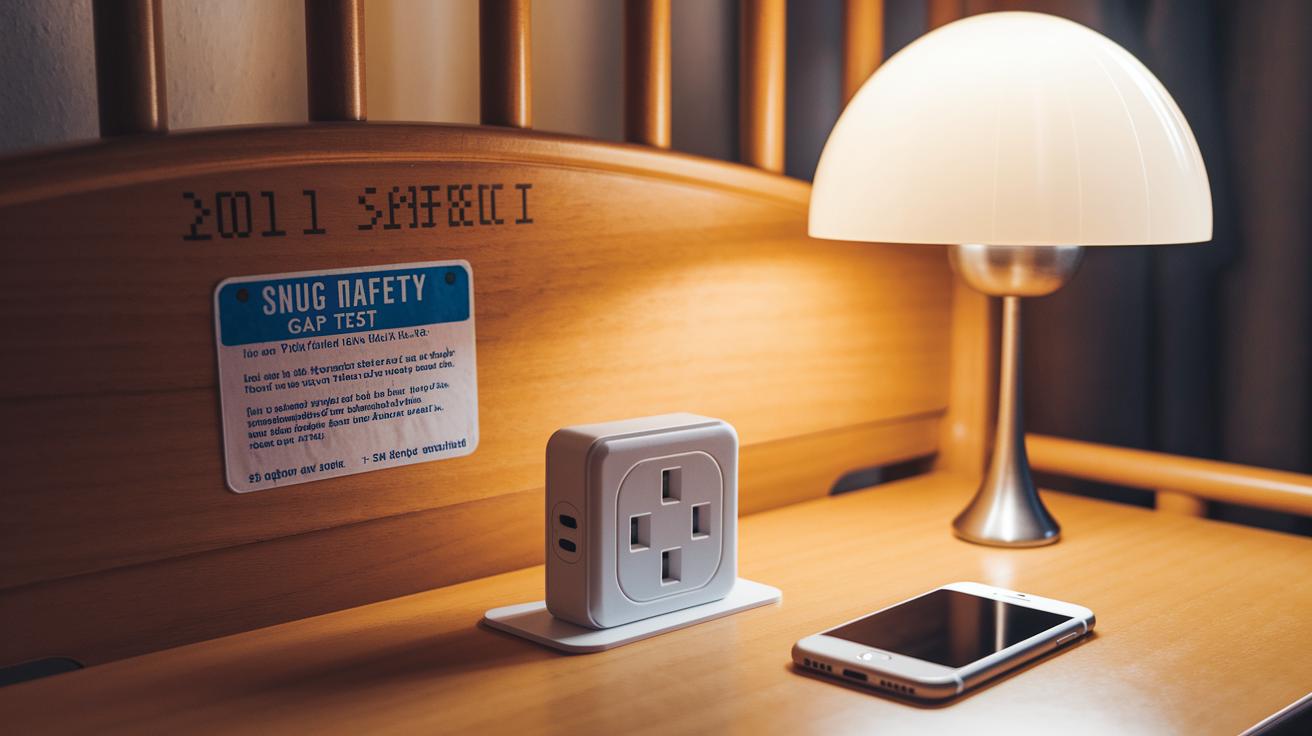
Choosing the right crib is important for keeping your baby safe while they sleep. Many older cribs might not meet the 2011 federal safety rules. In fact, nearly seven million drop-side cribs have been recalled since 2007 because of safety issues.
Crib Standards
When you’re checking out a new crib, take a moment to look at the label. It should clearly show that the crib meets the 2011 safety rules and include the model date. Think of it like reading the small print on your baby’s favorite toy, it's all about making sure you’re not getting an older, riskier design.
Safe Sleep Bedding Guidelines
A snug mattress is a must-have. Slide two fingers between the mattress and the crib side; if there’s too much room, it might not be safe. Use a mattress designed for good airflow and avoid loose bedding, pillows, or bumpers. It also helps to keep the crib a few inches away from walls and windows. These little checks go a long way in giving your baby a cozy and safe sleep space.
Effective Babyproofing Techniques for Baby Nursery
If you want to create a safe nursery, it all starts with smart babyproofing. Take a careful look around the whole room to spot anything that might be dangerous. Move important items to safe spots and cover any risks so that you can keep an eye on your little one without worry. For example, using plug protectors and sliding outlet covers stops curious fingers from reaching those electrical outlets and keeps shocks at bay.
Outlet and Cord Safety
It really helps to install outlet protectors or sliding covers to manage any electrical risks. And, don’t forget to secure any loose cords with staples or clips so they stay out of reach. This little effort not only keeps your baby safe while exploring but also makes the area tidy. It’s like placing a gentle barrier that gives you extra peace of mind as you watch over your child.
Door and Window Protections
Simple fixes can also prevent accidents around doors and windows. Door-knob covers and rotatable stoppers are great for keeping little hands away from harmful spots. You might also add window guards or sliding locks to cut down on risks, and consider cordless window coverings to eliminate any dangerous cords. Each of these small steps adds to a safer, cozier nursery that lets you relax when you're with your baby.
Monitoring and Alert Safety Essentials for Baby Nursery
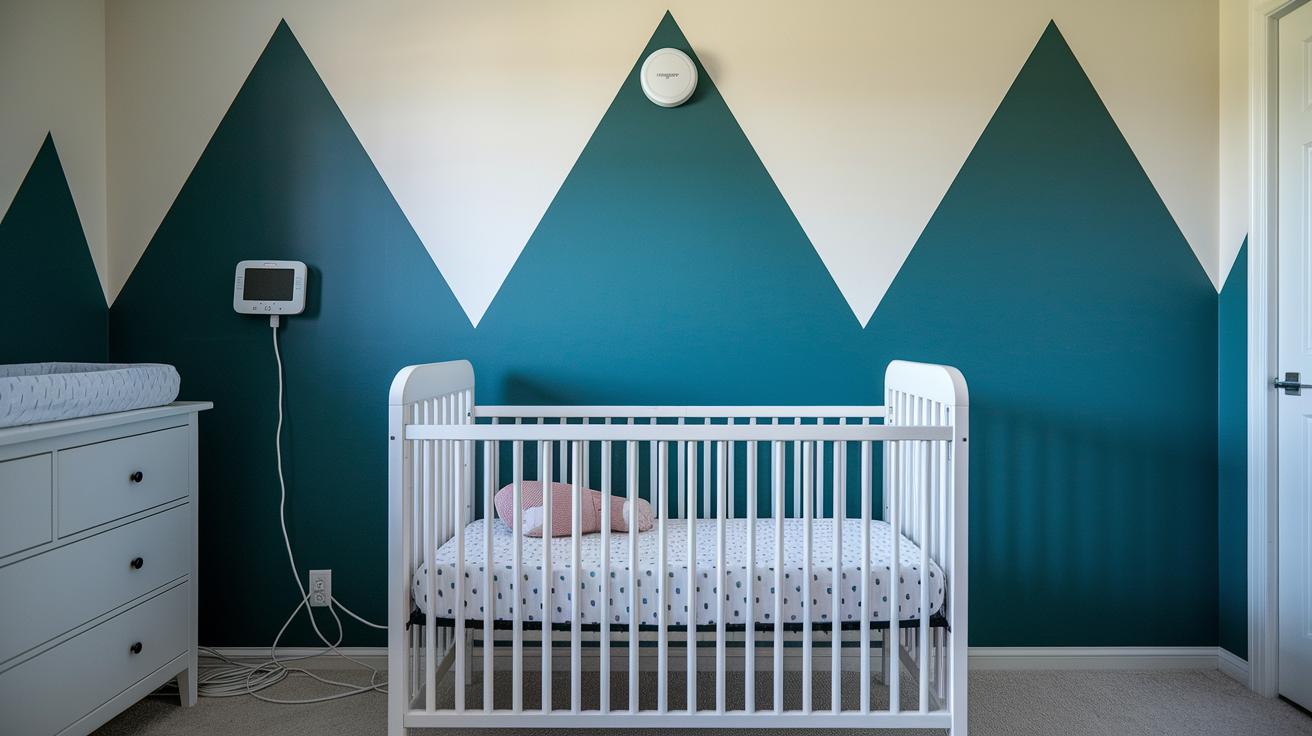
Every parent wants a safe and cozy space for their baby, and setting up your monitor can really help. Try placing it at least 3 feet away from the crib. This way, you keep the electronic gadgets at a safe distance, and little hands can’t reach the cords.
Make sure those cords are tucked away nicely, too. Securing monitor and camera cables means you remove any potential hazards, turning these tech tools into gentle guardians while your baby sleeps.
When you’re picking a monitor, look for one that comes with extra features like temperature and humidity sensors (humidity tells you how much moisture is in the air) and uses FCC-approved signal encryption to keep your connection secure. It feels good to know that with real-time updates through remote sensing, you can check on the nursery anytime with confidence.
A top-notch option, like the best baby monitor available at bsnuggs.com, offers clear visuals, dependable alerts, and user-friendly controls. Investing in smart safety gear lets you relax, knowing your little one is always under watchful eyes.
This setup, where thoughtful placement meets advanced technology, really brings peace of mind. It’s all about making your nursery a safe, nurturing place for both you and your baby.
Fire and Carbon Monoxide Safety Essentials for Baby Nursery
Getting your baby's room ready with the right alarms is a must. You know that peace of mind comes when you know every corner is safe. Make sure to hang a smoke detector in every bedroom, just outside sleeping spaces, and on each level of your home. And don’t forget a carbon monoxide detector on every floor. Together, these helpful devices alert you if there’s any trouble so you can keep your little one safe and sound. Taking a few moments each month to test and tidy up the alarms helps them work just right.
A simple check-up routine makes all the difference in protecting your family. Below is a handy table showing the key devices, where to place them, and how often to give them some TLC:
| Device | Placement | Maintenance Frequency |
|---|---|---|
| Smoke Detector | Every bedroom, outside sleeping areas, on each floor | Test monthly; replace batteries annually; replace device every 10 years |
| Carbon Monoxide Detector | At least one per floor near sleeping areas | Test monthly; replace batteries annually |
| Fire Extinguisher | Near exits and common areas | Inspect monthly; check expiry dates annually |
Furniture and Fixture Safety Essentials for Baby Nursery
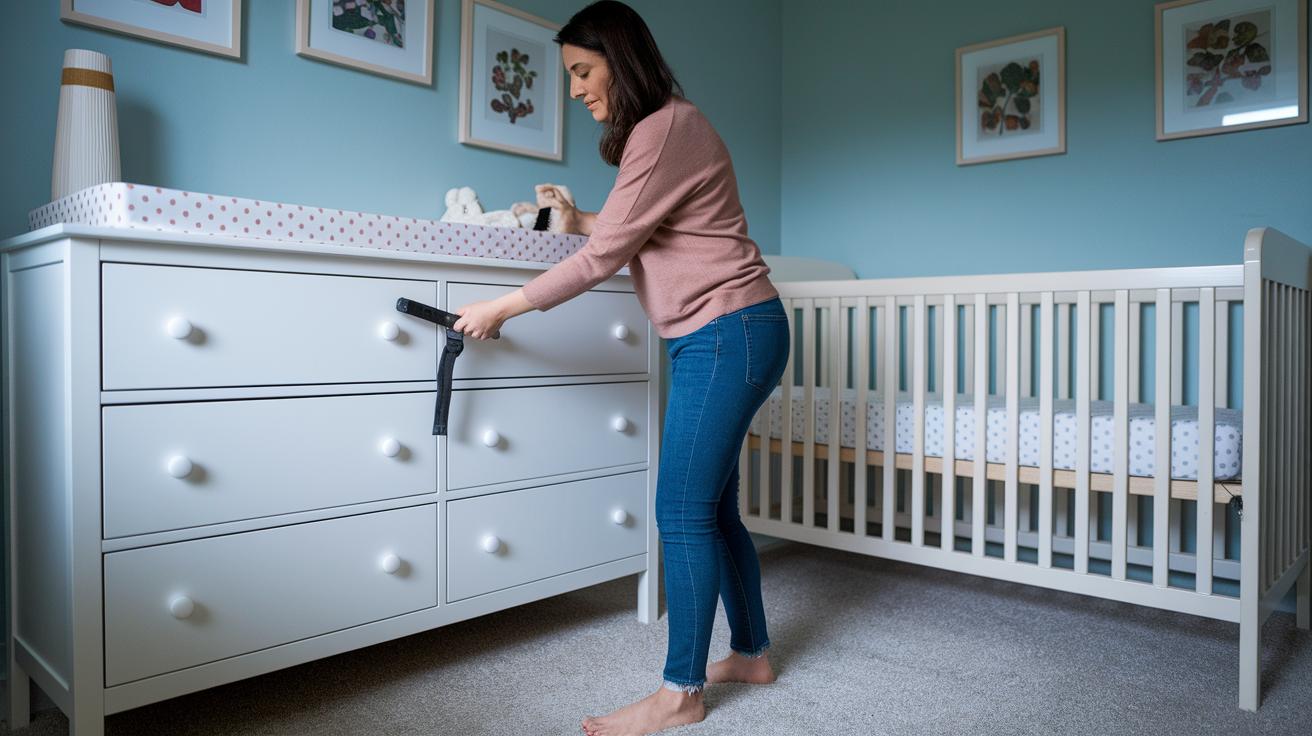
Making sure your nursery furniture is securely anchored can really boost safety. Fastening dressers, bookshelves, and even TVs with wall straps or anti-tip brackets stops them from tipping over while your little one explores. Picture it like buckling in on a roller coaster, it keeps everything safe and steady. For more handy tips, check out the essential nursery furniture guide.
It also helps to cover up exposed edges. Adding corner guards to sharp dresser or bookshelf corners and using childproof locks on dresser drawers can cushion little bumps and protect tiny fingers. Think of it as giving hard edges a soft landing to keep your curious toddler safe.
And try not to hang heavy items above the crib. Falling decorations can be dangerous, so opting for secure, lightweight décor not only keeps the room charming but also cuts down on risks. Just a few small changes can turn your nursery into a wonderful, safe space for your baby.
Materials and Environmental Safety Essentials for Baby Nursery
Creating a safe nursery for your baby starts with choosing the right materials. Low-emission, non-toxic paints and finishes help keep harmful fumes away, like picking the freshest ingredients for a favorite recipe, so your baby can breathe easily and feel secure.
Good ventilation and moisture control are equally important. Think of the gentle flow of fresh air on a cool day. This kind of air movement helps keep mold at bay while making the room feel open and welcoming.
It’s also important to keep the temperature just right. Aim for a cozy 68–72°F, and choose mattresses and bedding that are hypoallergenic (designed to reduce allergy risks) and free from fire-retardant chemicals. It’s like giving your baby a warm, safe hug, a comforting haven built just for them.
Final Words
In the action, we explored key updates on crib standards, babyproofing techniques, and proper monitoring to keep your baby safe and comfortable.
We've walked through step-by-step tips about proper mattress fit, secure electrical cords, and using non-toxic materials. These safety essentials for baby nursery help create a secure setting you can trust.
Simple actions make a big difference. Every task, from covering outlets to checking fire alarms, brings peace of mind and a cozy environment for your little one.
Keep moving forward with confidence and care for your child.
FAQ
What does a nursery checklist PDF or printable include?
The nursery checklist PDF lays out essential items for setting up a baby’s room. It covers key safety gear, furniture, baby monitors, and other must-haves to help parents build a secure, comfy space.
What are the essentials for a baby nursery?
The essentials for a baby nursery include a safe crib that meets current standards, a snug mattress, baby monitors, outlet covers, and other childproofing items that create a secure environment for your little one.
Are baby mobiles necessary and safe over a crib?
Baby mobiles can be a charming decoration when they’re installed safely. They should be hung where your baby cannot reach them, providing gentle visual interest without posing a risk near the crib.
How do you ensure a baby nursery is safe with proper equipment?
Ensuring nursery safety means selecting a crib with proper standards, using safety equipment like outlet covers and secure baby monitors, and childproofing areas to keep hazards out of reach for your baby.
What nursery items might be considered non-essential before a baby arrives?
Some items, such as extra décor or specialized furniture, are non-essential initially. Focus on the basics—like a proper crib, essential safety gear, and a functional baby monitor—to create a secure nursery.
What do I need when starting a baby nursery?
Starting a baby nursery requires a safe crib with proper fittings, a snug mattress, a baby monitor, and childproofing items. These essentials help create a base for a secure and comfortable space for your baby.