
Have you ever thought that small changes in your nursery could make a big difference in your baby’s sleep? Even the gentle buzz of everyday sounds might wake up a little one. Research shows that noise as soft as 50 decibels can interrupt a baby’s sleep, leaving everyone tired.
Imagine your nursery as a quiet, cozy retreat, a place where you’ve made smart tweaks to soften background sounds, much like wrapping your baby in a warm hug. In this post, we’ll chat about simple ways to adjust your nursery’s sound and create a peaceful space for better sleep and a happier home.
Acoustic Foundations for a Quiet Nursery Sleep

Ambient noise isn’t just background hum, it can really disturb your baby’s sleep. Research shows that sounds as low as 50 to 60 decibels can break a baby’s sleep cycle, leading to shorter naps and more frequent wake-ups. Think about it: even soft street sounds, a friendly dog barking, or lively chatter from a busy home can interrupt that precious rest.
Every little detail counts when setting up a calm nursery. For example, positioning the crib away from windows and closer to an interior wall can help keep outside noise at bay. It also helps avoid sudden breezes that might change the room’s temperature. Imagine a nursery where dark, soft curtains do double duty, blocking both light and unwanted sounds, making it easier for baby to drift into deeper sleep.
Keeping the room comfortable is just as important. The best temperature for a nursery is around 68–72°F. This not only keeps baby from overheating but also supports a steady sleep routine. Pairing this temperature with blackout curtains creates an environment that feels safe and snug, just what little ones need.
Simple room tweaks, like adding sound-absorbing materials or rearranging a few pieces of furniture, can also help. For instance, a bookshelf filled with sturdy, dense books placed against an exterior wall can softly shield the nursery from unpredictable outside noise.
All these ideas work together to create a peaceful, sleep-friendly nursery. Every small adjustment makes a big difference in helping your baby enjoy nights filled with calm and comfort.
Installing Soundproofing Materials in Your Nursery Acoustic Design
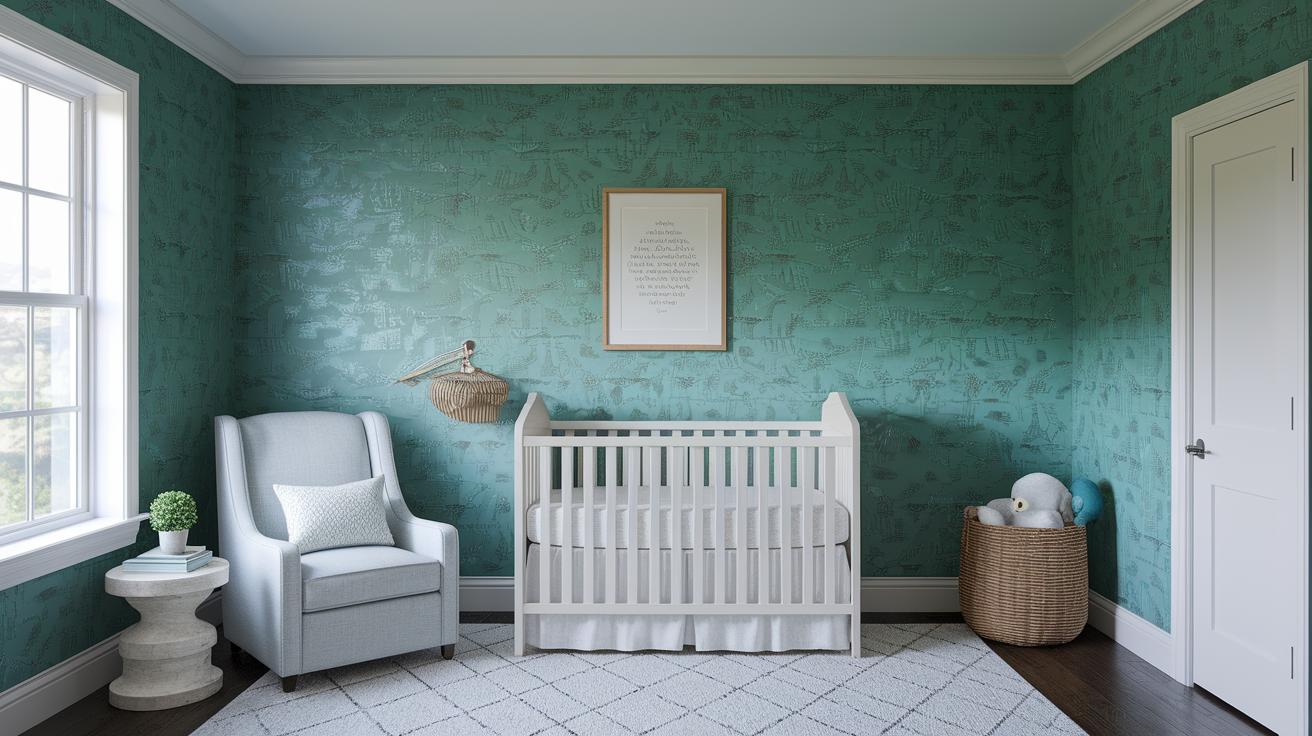
Creating a calm nursery starts with picking the right materials. Using heavy vinyl sheets, thicker drywall, and good door seals can really help keep noise at bay. Foam or mineral-wool insulation nestled in your walls works well to block sounds, and adding door sweeps along with better window seals can even cut outside noise by about 30%. Think of it like putting together a puzzle where each piece makes your nursery a bit quieter.
Here are some options to consider:
- Heavy vinyl sheets: They help stop sound from sneaking through walls.
- Thicker drywall layers: Adding these extra layers blocks sound waves before they reach your baby.
- Weatherstripping and door sweeps: Tightly seal gaps along doors and windows to keep external noise out.
If you’re into DIY projects, simple fixes can work too. Try hanging thick, heavy-duty curtains to add extra sound-blocking weight or position a sturdy bookcase against a wall facing the street. One parent shared that after adding a bookcase, their nursery felt like a quiet cocoon. For a quick material list to update your nursery, checking out Modern baby nursery essentials might spark some ideas.
These soundproofing tips can come together to make a peaceful space where every nap feels a bit more special.
Custom Acoustic Panels for Enhanced Nursery Sleep Quality
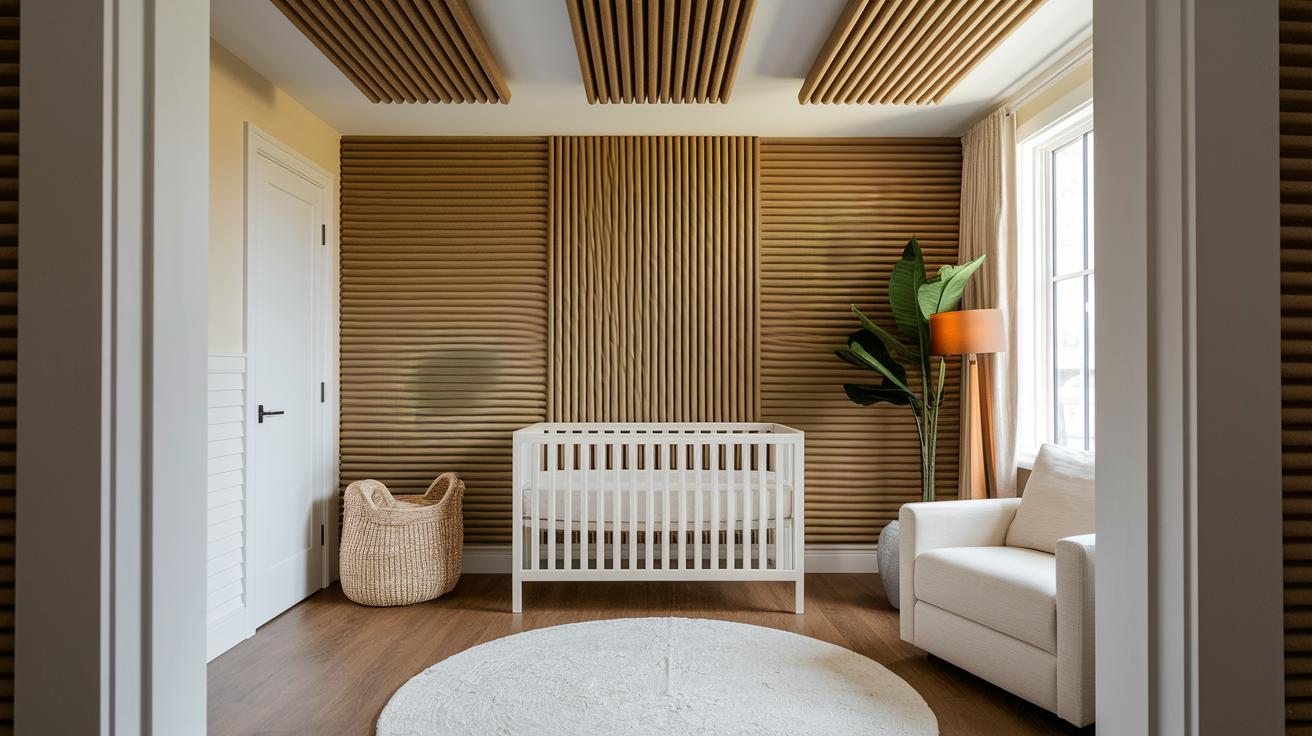
When it comes to creating a calm, cozy nursery, acoustic panels can work wonders for your baby’s sleep. They help soak up the everyday sounds that might wake your little one. Panels lined with high-density fiberglass or foam catch those mid and high-pitched noises, while fabric-wrapped options with child-safe, PVC-free covers can cut echo by as much as 60%. Picture placing one behind the crib to act like a soft, quiet shield against bouncing sounds.
Ceiling baffles made from acoustic felt are another neat idea. These baffles go up high to tackle overhead noise, making echoes less distracting and the overall sound more soothing. When you set them up right, like where sound first hits a surface, they can really make a difference by keeping sudden household clatter at bay.
For parents looking to create a peaceful sleep space, it’s all about where you place these panels. Try putting them behind the crib or on walls that tend to bounce sound around. One mom even shared, “Adding a panel at a key spot turned our nursery into a quiet haven. It was like magic.” All these little tweaks help build a consistently serene environment so your baby can drift off into deep, peaceful sleep.
Integrating White Noise and Smart Audio Devices in Nursery Acoustics

White noise machines help create a calm, almost womb-like feel in your nursery. They emit a steady shushing sound at around 50–55 dB that easily covers up sudden disruptions like traffic or a barking dog. Nowadays, smart speakers and adjustable audio systems are also making a splash, letting you fine-tune the perfect sound range and volume for your growing baby's sensitive ears.
Try placing these devices about 6–8 feet from the crib to keep the sound gentle and evenly spread. Imagine a white noise machine sitting on a shelf, filling the room with a soothing hum that feels just right. Many parents find that a bit of trial and error helps them strike that perfect balance where the sound is soft yet effective.
With smart speakers, you can even tweak settings using an app as your baby grows. By bringing these devices together, your nursery transforms into a consistently peaceful space, a safe and inviting haven where your little one can sleep soundly and comfortably.
Expert Design Tips and Acoustic Layouts for Nursery Comfort
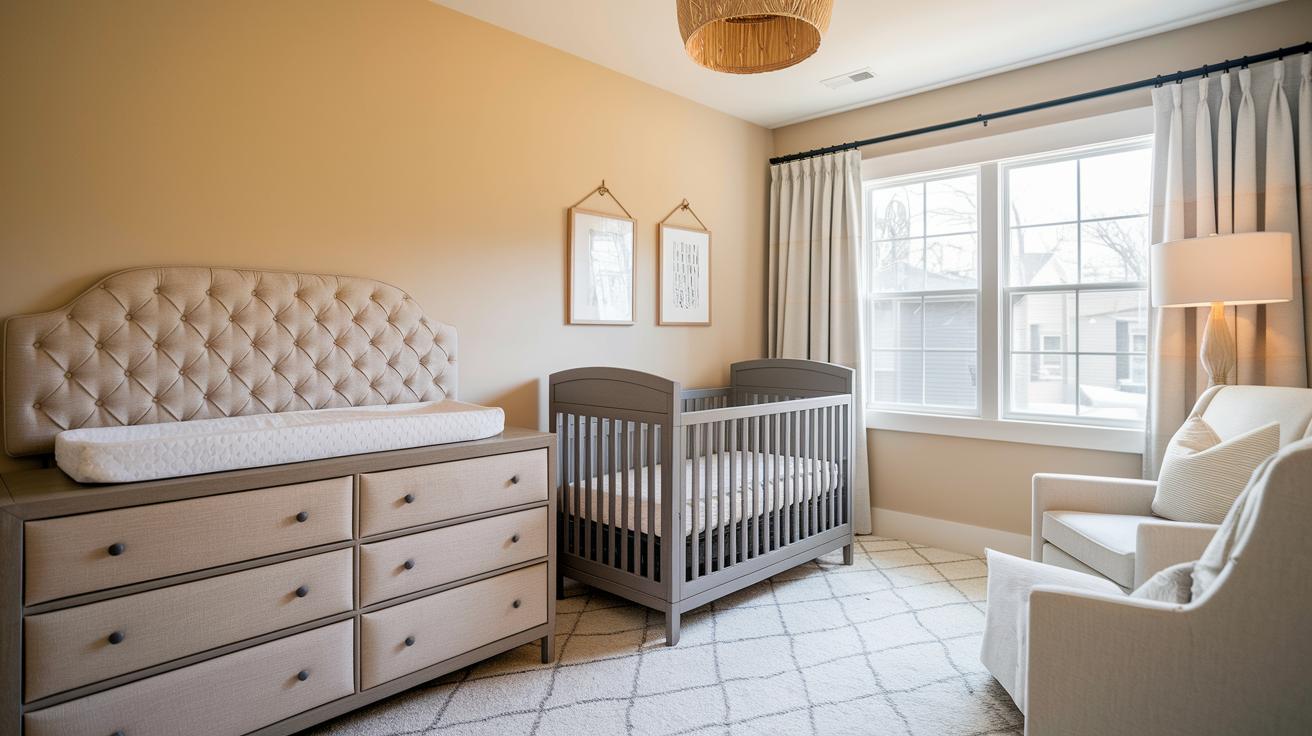
If you’re creating a cozy nursery, blend smart sound control with a warm style. Multi-functional furniture like padded headboards and cushioned dressers not only helps soak up sound but also offers extra storage and a charming look. Placing these pieces just right can lower background noise and make the room feel snug and safe. For more ideas on arranging your space, check out Nursery organization.
Think about where your baby’s crib goes. Setting it along an inner wall, away from busy windows, keeps street sounds at bay so your little one can enjoy a quiet sleep. Adding soft fabrics also helps; area rugs, fabric wall hangings, and blackout curtains absorb noise and soften echoes. For instance, a rug on a hardwood floor can lower noise from footsteps by about 20 to 30 percent.
You might also consider using ceiling baffles (panels that hang from the ceiling to cut down noise) to keep overhead sounds in check. Each careful detail works together to create a calm space that encourages deep, restful sleep. Sometimes a small change, like moving a rug or shifting a piece of furniture, can make all the difference in designing a room that feels just right for your baby.
Measuring and Maintaining Nursery Noise Levels for Ongoing Sleep Support
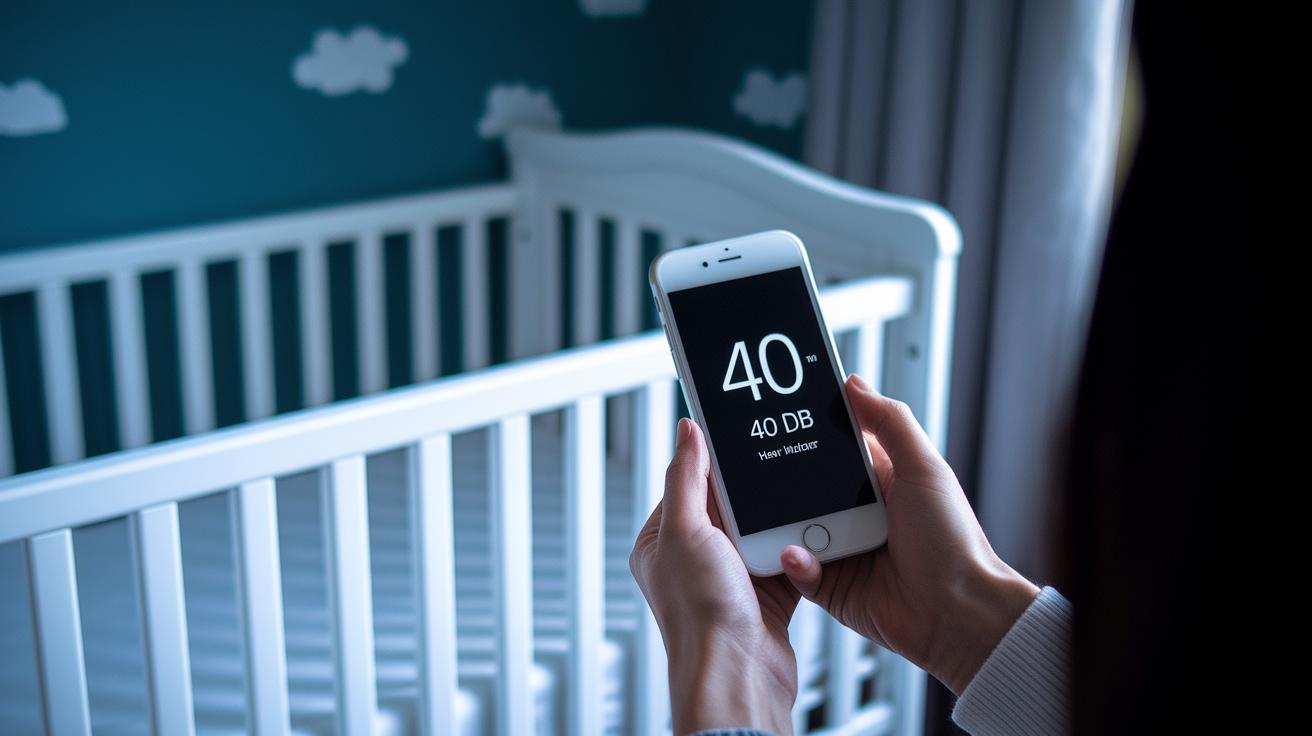
Start off by using a sound level meter or an upbeat baby monitor to keep tabs on your nursery’s noise levels in real time. These handy tools track decibel readings over a full day, letting you know if things stay under 45 dB during naps and dip below 40 dB at bedtime. Picture this: you glance at the monitor and see a smooth 40 dB, that quiet hum is like a soft lullaby, wrapping your little one in calm. For more ideas on monitors, have a look at the Best baby monitor.
To keep unwanted sounds at bay, here are some simple steps:
- Try smartphone apps that offer immediate decibel readings and alert you if there's a sudden noise spike.
- Check door seals, window curtains, and acoustic panels now and then to catch any signs of wear that might let extra noise in.
- Experiment with small tweaks in your setup to see if you can drop the noise level even more so your baby gets the best, undisturbed sleep.
These easy checks can make a big difference. A quiet nursery helps create a safe, soothing space where your little one can rest deeply and peacefully.
Final Words
In the action of setting up your nursery, we covered how to create a calming space with the right soundproofing and thoughtful layouts. You learned about installing key materials, using custom acoustic panels, and combining smart audio tools for a more serene sleep environment. Practical setup tips and regular noise level checks work together to improve the sleep quality of little ones. By applying nursery acoustic solutions for better sleep, you’re one step closer to a peaceful and cozy haven for your baby. Enjoy the journey to serene rest!
FAQ
What are some DIY nursery acoustic solutions for better sleep?
The DIY approach to improving nursery acoustics includes using heavy curtains, weatherstripping, rearranging furniture as sound barriers, and adding acoustic panels. These methods create a calming, noise-reduced sleep space for your baby.
How can I soundproof different baby spaces like a door, crib, or entire room?
The soundproofing process for baby spaces involves sealing gaps on doors and windows, installing door sweeps, and using sound-absorbing treatments near cribs. These steps help block unwanted noise for a peaceful sleep environment.
What material blocks the most sound?
The material that blocks the most sound is typically dense mass-loaded vinyl, combined with acoustic drywall and mineral-wool insulation. These materials work together to effectively reduce airborne noise in a baby’s room.
What are nursery acoustic panels and acoustic sound blankets?
The function of nursery acoustic panels and sound blankets is to absorb and dampen noise. They reduce echoes while adding a warm touch to the room, enhancing the quiet environment your baby needs for better sleep.


