
Have you ever thought that letting kids lead the way might open up their creativity? Sometimes, when kids are free to explore on their own, with just a little guidance, it really sparks their imagination.
Imagine giving your little one a blank piece of paper and letting them paint their own story. That’s what this style of parenting is all about. It lets children play, try new things, and solve little puzzles while knowing you’re right there if they need you.
It’s really about creating a cozy, safe space where every giggle and little win helps their confidence grow.
Defining Laissez Faire Parenting: Principles and Core Traits
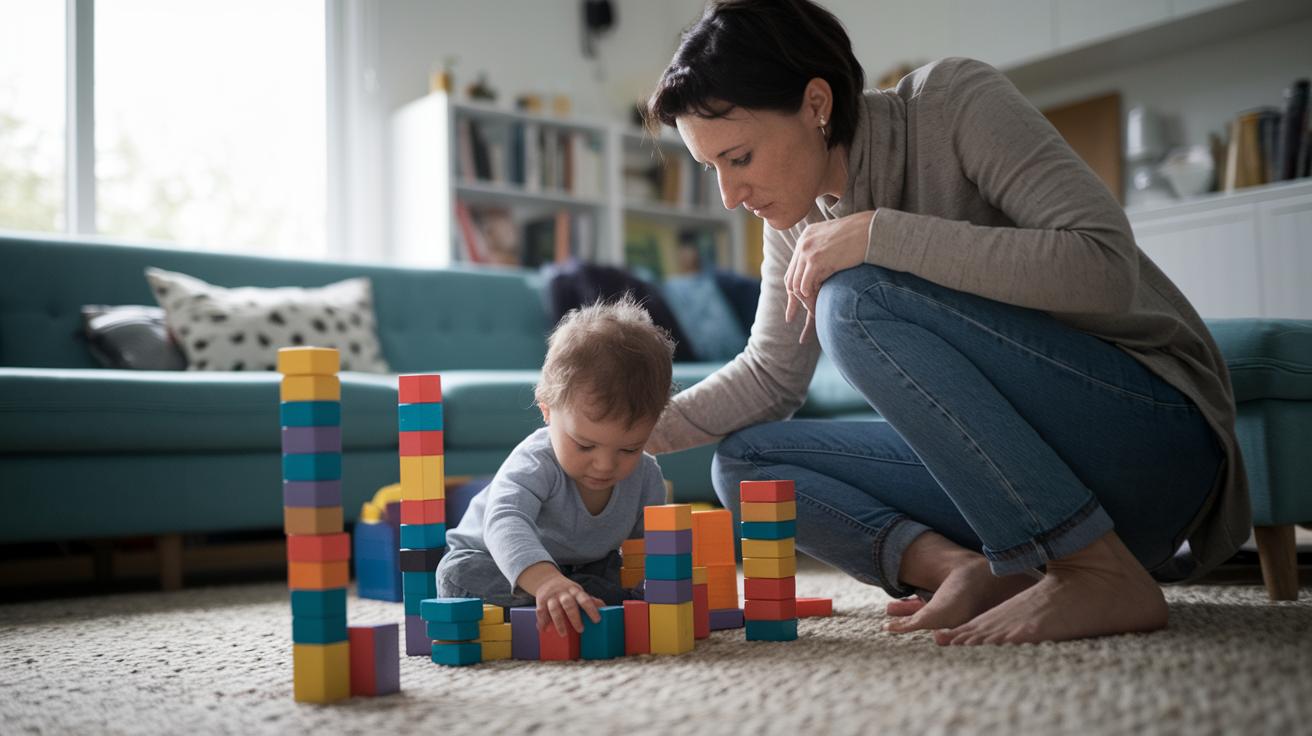
Laissez faire parenting takes its name from the French phrase meaning “allow to do.” Long ago, this idea came from politics and business, and later, folks started using it to describe a gentle way of raising kids. In this style, parents create a loving and warm space without strict rules or rigid routines.
Parents who embrace this approach keep a close, caring eye while giving children plenty of freedom to explore at their own pace. They trust that little ones can choose their own play activities, even if that means stepping back just to see what imaginative game emerges. Have you ever watched a child come up with their own fun? It can feel really heartwarming.
Even though it might look unstructured, laissez faire parenting is not the same as being neglectful. Instead, it’s about keeping things flexible while making sure children always feel safe, cared for, and understood. Imagine your child playing freely, knowing you’re nearby with a comforting smile or a warm hug when things get tough.
Historical and Theoretical Roots of Laissez Faire Parenting
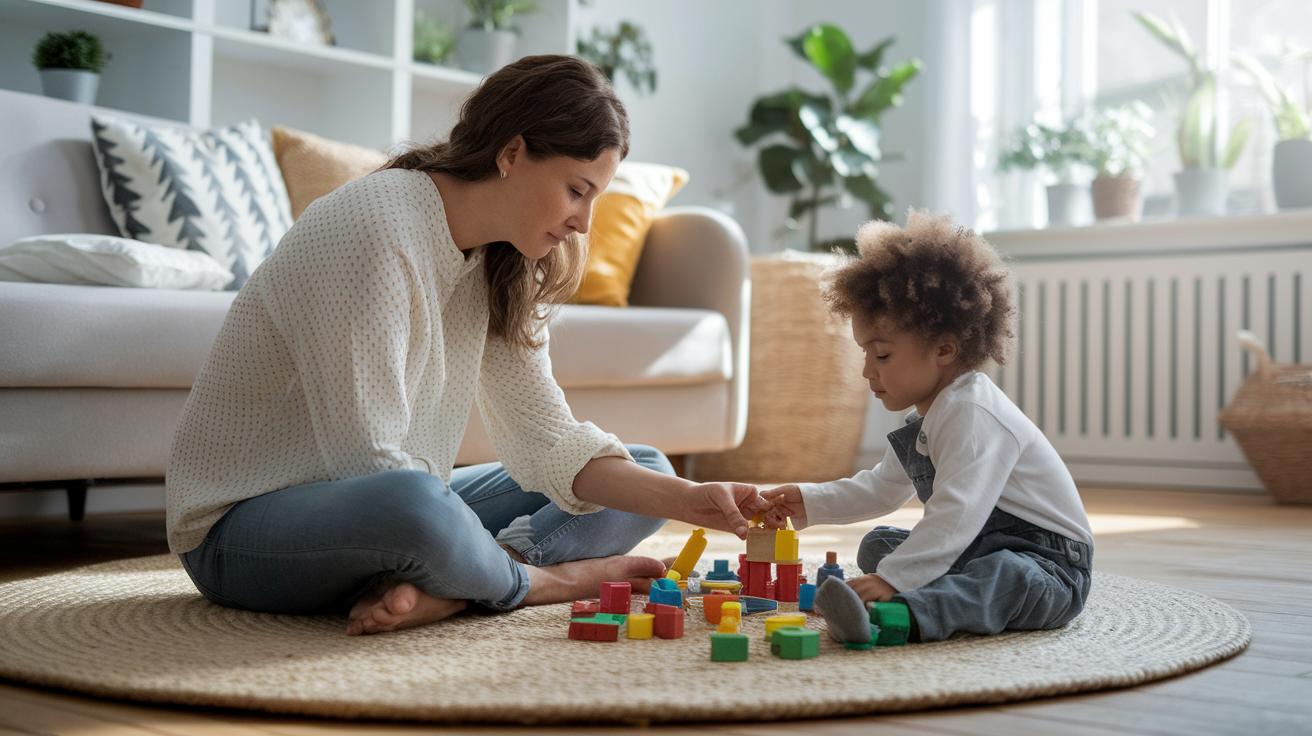
Laissez faire comes from French and means “let it be.” Back in the day, it described a way of thinking about politics and money where less interference was seen as a good thing. Over time, people started using the idea for raising kids. Instead of controlling every single step, this approach trusts that children can grow and explore on their own. Fun fact: before this idea was popular with parents, it was all about letting markets run naturally without too much control.
Taking a cue from how economists debate minimal rules, this style of parenting is all about gentle guidance rather than strict rules. Studies even suggest that parents act best as role models, showing kids how to figure things out by watching them do it. Imagine a home where a few set rules leave plenty of room for a child’s natural creativity, though sometimes that might bring about a few real-life challenges, just like certain economic policies did during tough times.
Think of it like a bonsai tree. If you trim it too much, it can’t grow freely. But giving it the space to stretch its little branches allows it to flourish in its own unique way.
Laissez Faire Parenting Compared to Other Parenting Styles
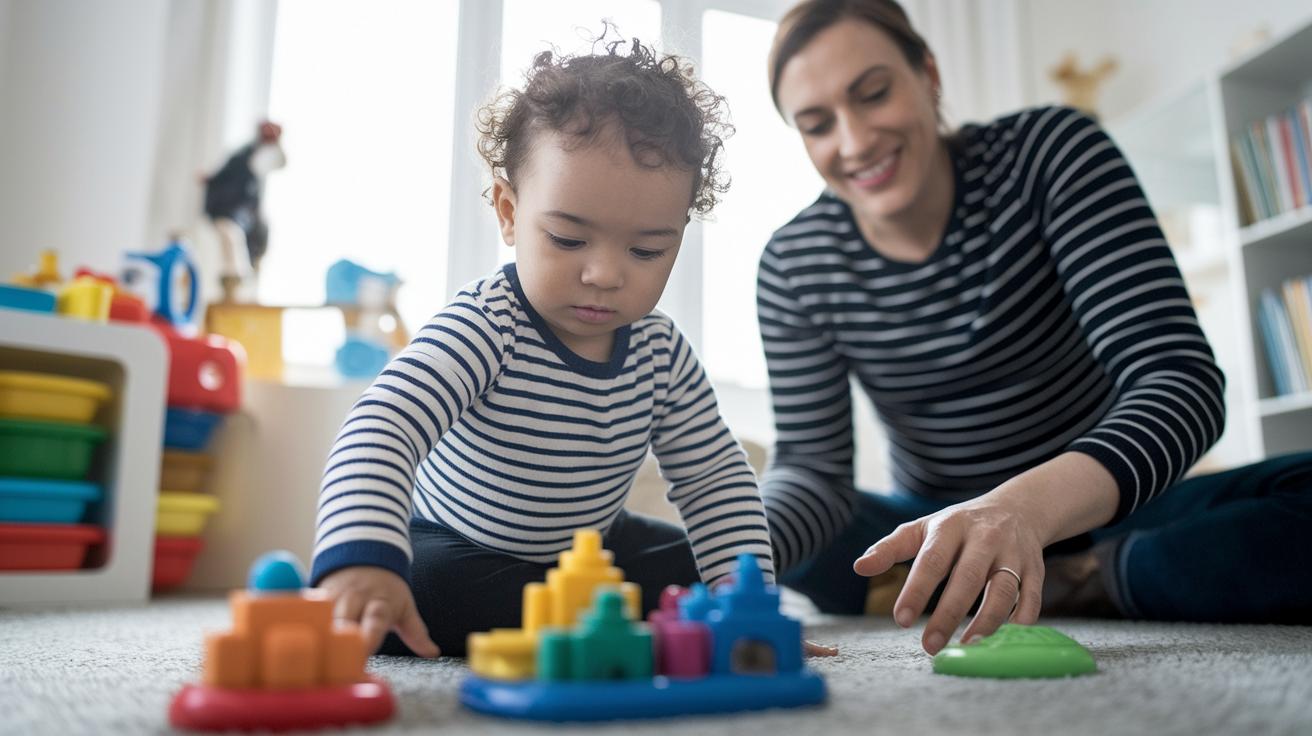
When you're figuring out which parenting style suits your family best, it helps to see how they compare. Laissez faire parenting, for example, lets kids explore on their own and express themselves naturally. It’s a more relaxed approach where kids learn through their own experiences, and that can spark creativity.
Other methods blend clear guidance with plenty of warmth. Think of a style where routines are set but there's always a loving hug waiting. This balanced approach helps children feel secure while still growing their independence.
Each style comes with its own mix of control and emotional support. Laissez faire offers lots of love but little structure, which can make children independent, though they might sometimes struggle with self-control. On the other hand, a balanced style, like authoritative parenting, gives a steady routine along with supportive care, helping kids learn to manage rules while feeling cherished.
Many parents find that mixing ideas from different styles works best. It’s like making a recipe where a pinch of routine and a dash of freedom create a comforting home. Have you ever noticed how a little structure can give a child the confidence to explore?
| Different parenting styles | Control Level | Emotional Support | Typical Outcomes |
|---|---|---|---|
| Laissez Faire | Low | High | Independent but may lack self-regulation |
| Authoritative | Medium | High | Socially competent, self-disciplined |
| Authoritarian | High | Low | Obedient but lower self-esteem |
| Neglectful | Low | Low | Emotionally withdrawn, underachieving |
Laissez Faire Parenting: Embrace Freedom with Confidence
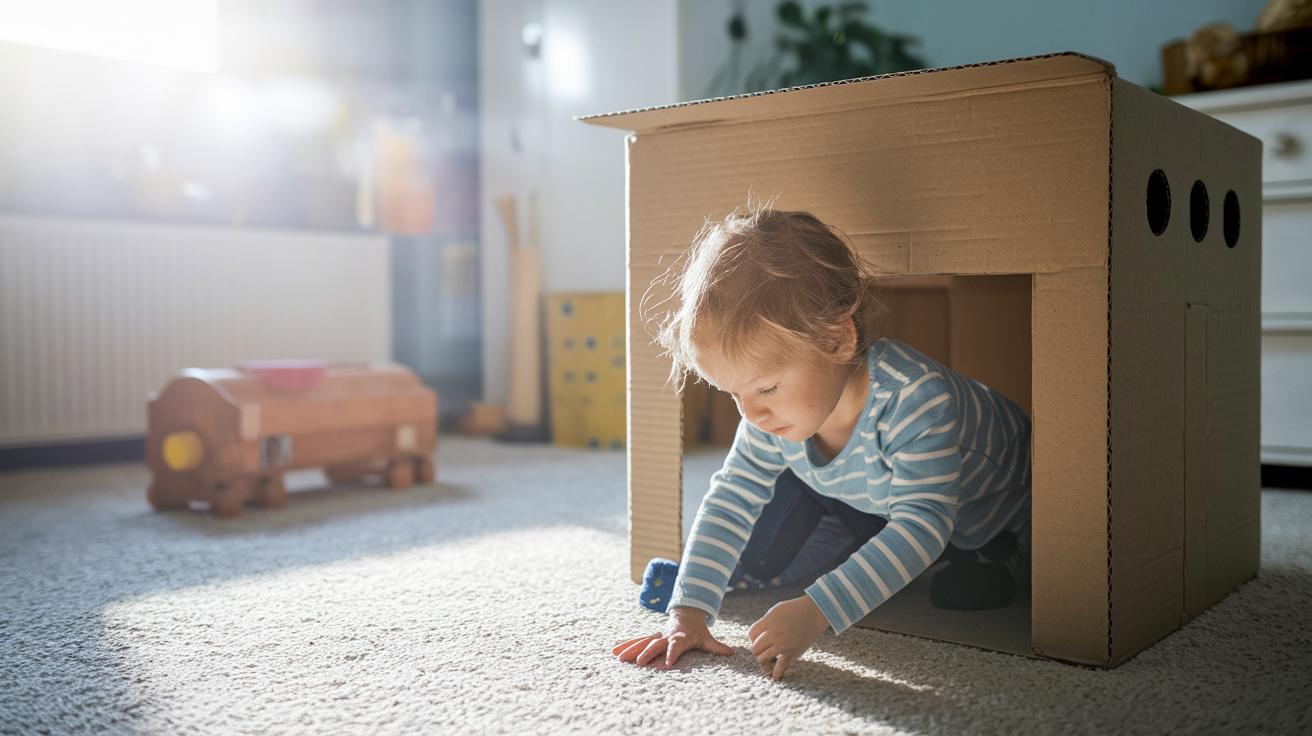
When you let kids explore their own way, it lights up a unique kind of freedom. They start to follow their natural curiosity and see challenges as playful opportunities. Imagine your little one turning a plain box into a secret fort, it’s a small act that bursts with creativity. This kind of self-led play not only helps them find their own style but also lays the groundwork for being more independent. Soon, you’re cheering every step of your child’s discovery with genuine warmth.
Over time, children raised this way often become strong and eager to do things on their own. They learn to trust their instincts and solve everyday puzzles by themselves, forming little personal guiding rules along the way. In these relaxed, loving homes, every tiny success builds up their confidence, much like when a spilled toy turns into an unexpected lesson in care and creativity.
Risks and Challenges in Laissez Faire Parenting
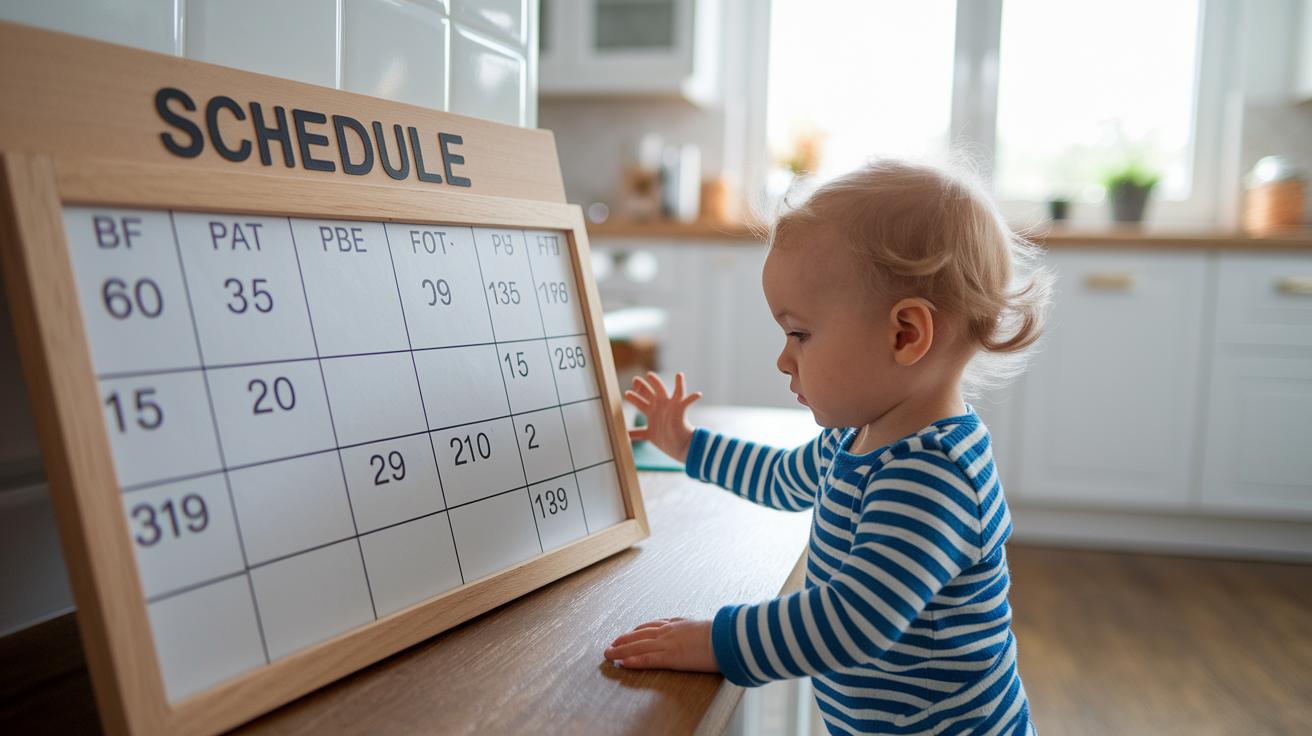
When kids don’t have a steady routine, they can feel a bit lost. Not having set times for meals, sleep, or play makes it hard for them to plan their day. It’s like trying to solve a puzzle without all the pieces. You can imagine how confusing it might be for a little one to know when it’s time to slow down and settle in.
Over time, little guidance can leave some children feeling frustrated or a bit awkward around others. Without clear hints or expectations, even small changes can feel overwhelming, like a busy store suddenly turning into a storm. This can sometimes lead to upset behavior and makes learning everyday social skills a real challenge.
Psychological and Developmental Impacts of Low-Intervention Parenting
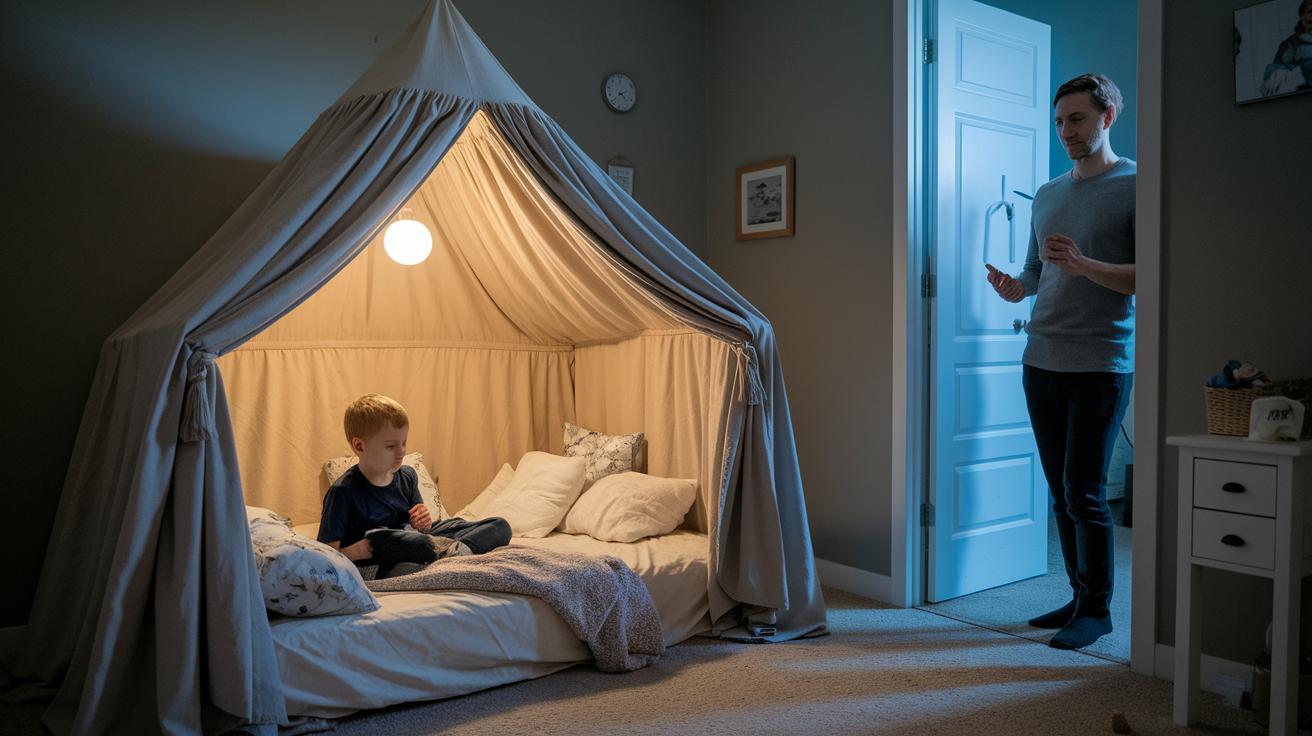
When parents step back a bit and let kids figure things out on their own, children learn to handle feelings and make choices through trial and error. For example, if there isn’t a set bedtime, a little one might have a tough time shifting from energetic play to a quiet, sleepy mood. They learn along the way which signals help them wind down. This way of letting kids decide for themselves gives us a fresh look at decision-making without repeating points we already covered elsewhere.
A home that gives lots of freedom can really boost a child's confidence, but sometimes it leaves them unprepared for places with shared rules. Imagine a child who loves to explore solo but then feels unsure during group games that need agreed-upon guidelines. This thought shows how a low-intervention style can shape a child’s social skills and decision-making, sharing clear examples without repeating broader ideas from other sections.
Recommendations for Implementing Laissez Faire Parenting
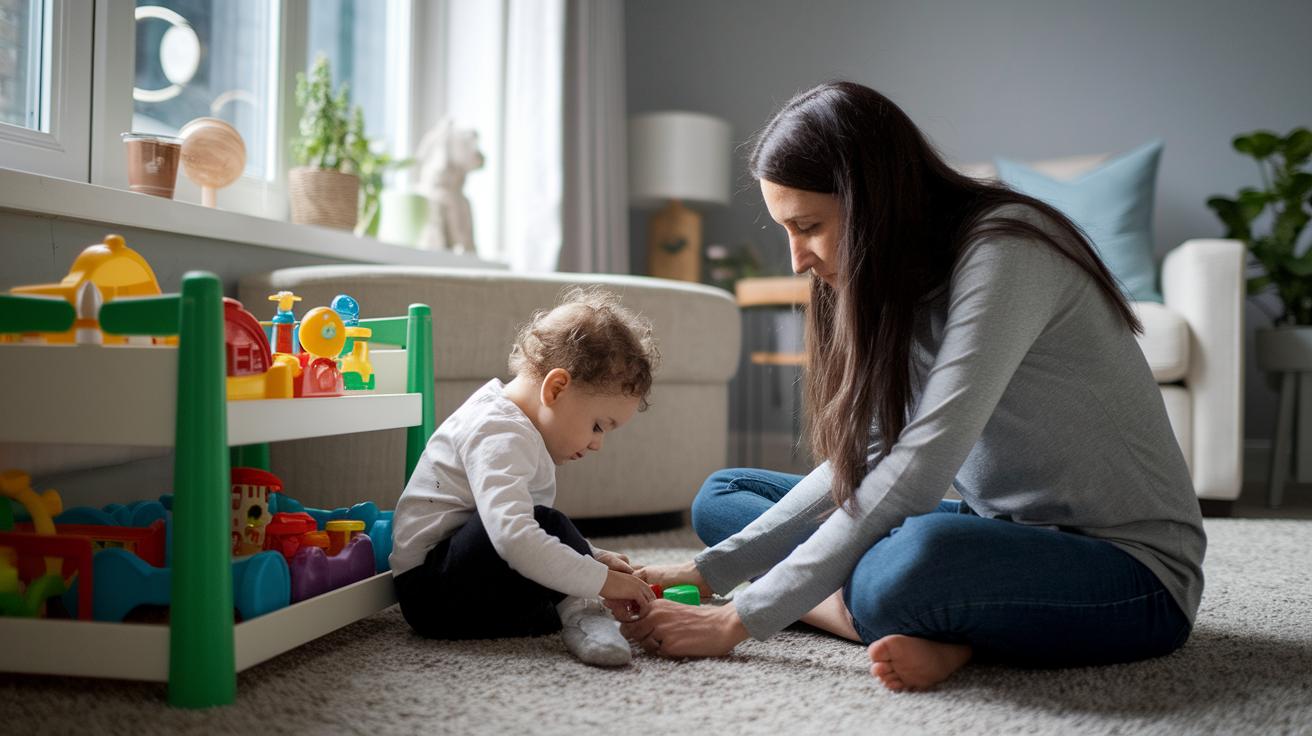
When you take a more hands-off approach, staying connected with your little one is key. It’s all about letting them explore while still feeling safe and cared for. A calm, loving routine helps guide them without stopping their natural curiosity from growing.
- Set simple safety rules and lead by example so your child knows how to be safe when they try new things.
- Keep a basic routine for sleep, meals, and learning to create a steady rhythm in daily life.
- Offer warm support and really listen, ensuring your child feels heard even when they’re exploring on their own.
- Check in on school and social progress without hovering, letting them learn from their own experiences while knowing you’re close by.
- Encourage self-directed play and problem solving by giving them chances to be creative and take gentle risks.
- Plan regular check-ins to guide decisions and address any worries, keeping that balance of freedom and gentle care.
Final Words
In the action, we talked about how laissez faire parenting lets kids enjoy freedom while keeping warmth and safety. We reviewed its roots, key traits, and both the bright sides and potential bumps along the way. The discussion peered into benefits like boosting independence and creativity, as well as the need for gentle guidance. It’s a balancing act, but with careful tweaks and an open heart, every step of nurturing can feel truly rewarding.


