
Modern parenting has a booming market of gadgets sold as 'must-haves.' A recent Twitter thread bluntly called out the most useless things parents spend on: baby walkers, shoes for non-walkers, toothbrushes for pre-teething infants, milk bottles and pacifiers, tablets and iPads, cough syrups, multivitamin syrups like Seven Seas, packaged cereals such as Weetabix, and artificial milks like NAN. The message? Save your money and raise your child like a parent, not a robot. Behind the snark there's a real debate about safety, necessity and how commercialized infant care has become. #FoodFriday
Why these 'useless' parenting buys are getting roasted

Modern parenting has spawned an industry peddling convenience, but a blunt Twitter main post called out a list of allegedly useless buys: baby walkers, pre-walking shoes, toothbrushes for babies who aren't teething yet, milk bottles, pacifiers, tablets and iPads, cough syrups, multivitamin syrups (Seven Seas cited), boxed cereals like Weetabix and artificial milk like NAN. The original poster urged parents to stop buying into the gadget culture and focus on attentive, practical care , 'raise your child like a parent, not a robot.' The list provoked debate about safety, evidence and marketing to anxiety.
Microplastics, pacifiers and the myth of 'genetic blame'
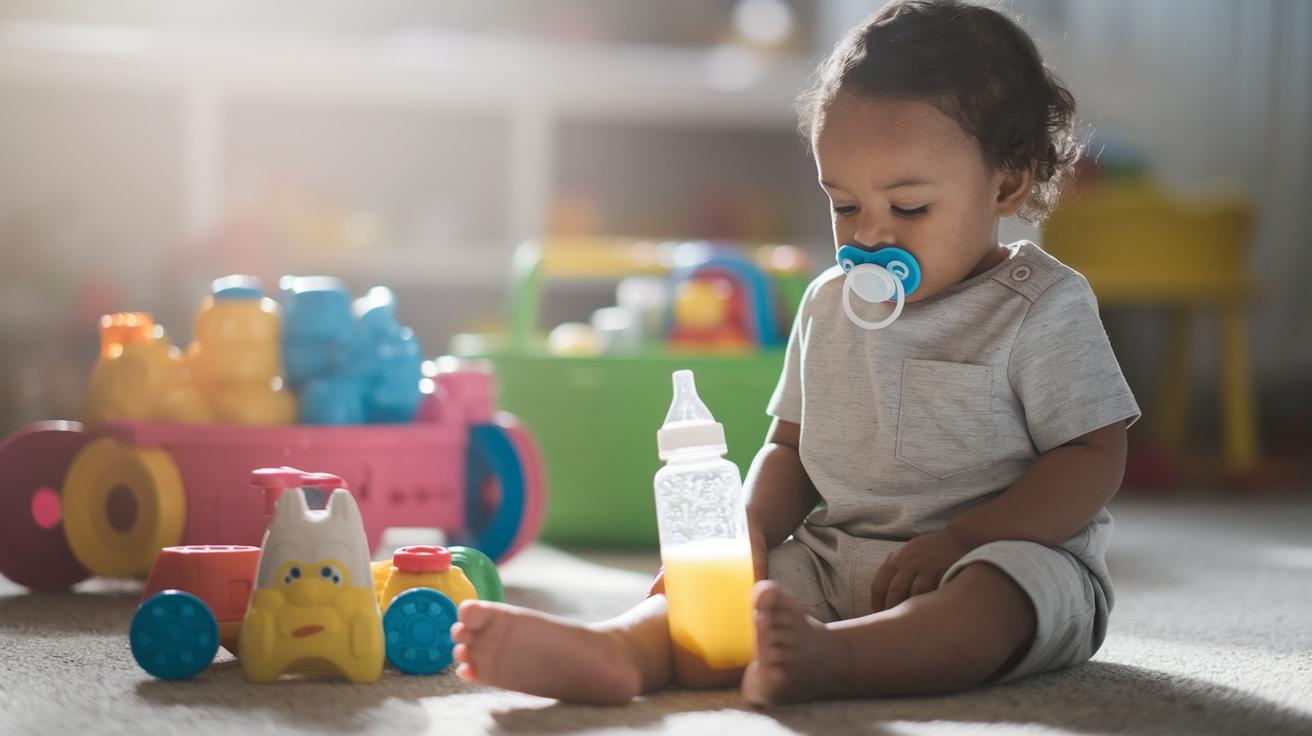
One thread reply warned about putting 'microplastics' into fragile milk teeth via pacifiers, bottle nipples and plastic toys. The point: saliva and natural enzymes support remineralization of baby teeth, and repeated contact with plastic could disrupt that balance. Prolonged dependence on artificial oral appliances may alter bite and alignment, and then parents sometimes blame 'genes' when problems appear. Science on microplastic harm is still emerging, but smart moves are clear: limit pacifier use as toddlers age, avoid bedtime bottles, choose medical-grade materials, and discuss feeding habits with your pediatrician and pediatric dentist.
The picture that sparked the debate: convenience vs common sense

A linked image in the thread showed the familiar convenience kit many parents buy , prepared baby cereals, formula tins, vitamin syrups and more. The critique isn't that these products exist, but that they sometimes replace breastfeeding, real food or simple parental judgement. WHO recommends exclusive breastfeeding for roughly six months; formula is essential when breastfeeding isnt possible, but not a marketing substitute. Multivitamin syrups and over-the-counter cough medicines are often unnecessary for well-nourished infants and can contain sugars and additives. Practical advice: focus on age-appropriate solids from six months, limit processed baby cereals, and consult a clinician before starting supplements.
'Leave the baby's mouth alone' , nuance matters

Several replies pushed back against overzealous oral care for infants , 'a baby's mouth is not awful,' they said , and that attitude has merit: infants carry a delicate oral microbiome and you shouldn't scrub a newborn aggressively. But 'leave it alone' doesn't mean ignore it. Before teeth erupt, wipe gums with a clean damp cloth; when teeth appear, use a soft baby brush with a rice‑grain smear of fluoride toothpaste, then a pea‑size around age three. Avoid sugary pacifiers and nighttime bottles. Early dental guidance helps: most pediatric dentists recommend a first dental visit by the first birthday to spot habits that cause decay.
'Did you brush at two?' The nostalgia defense and what actually matters
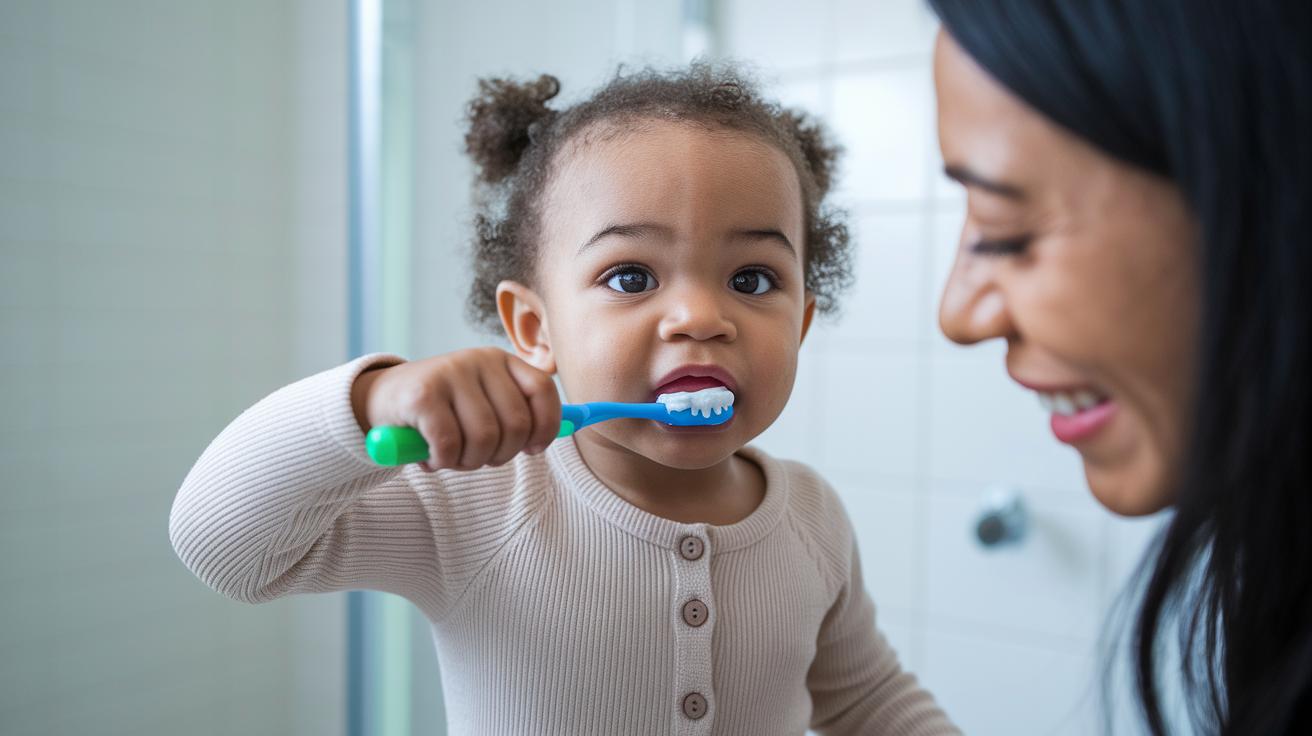
The snarky 'did you brush when you were two?' comeback taps nostalgia , many of us grew up without baby toothbrushes and seemed fine. But diets and sugar exposure have changed, and early childhood caries (baby bottle decay) is now common. Instead of nostalgia, follow up-to-date guidance: start cleaning when teeth erupt, use an age-appropriate soft brush, supervise brushing until they can spit, and use only a smear of fluoride toothpaste under three years. Most importantly, ignore the marketing pressure to buy every gadget , simple consistent care, good feeding practices and professional advice beat expensive fads.


