
Have you ever thought stacking blocks might do more than just keep your baby busy? Simple toys like these can open a whole world of learning. When your little one plays, they explore fun colors, shapes, and textures. Each block becomes a tiny step toward discovering something new.
In this chat, we’ll explore how stacking toys boost motor skills and spark problem-solving, all while keeping safety a top priority. Imagine wrapping your baby in a warm hug: first, they grasp the soft block, then they place it carefully to build their very own tower.
So, ready for some joyful block fun that sets the stage for endless learning?
stacking toys for babies: joyful block fun
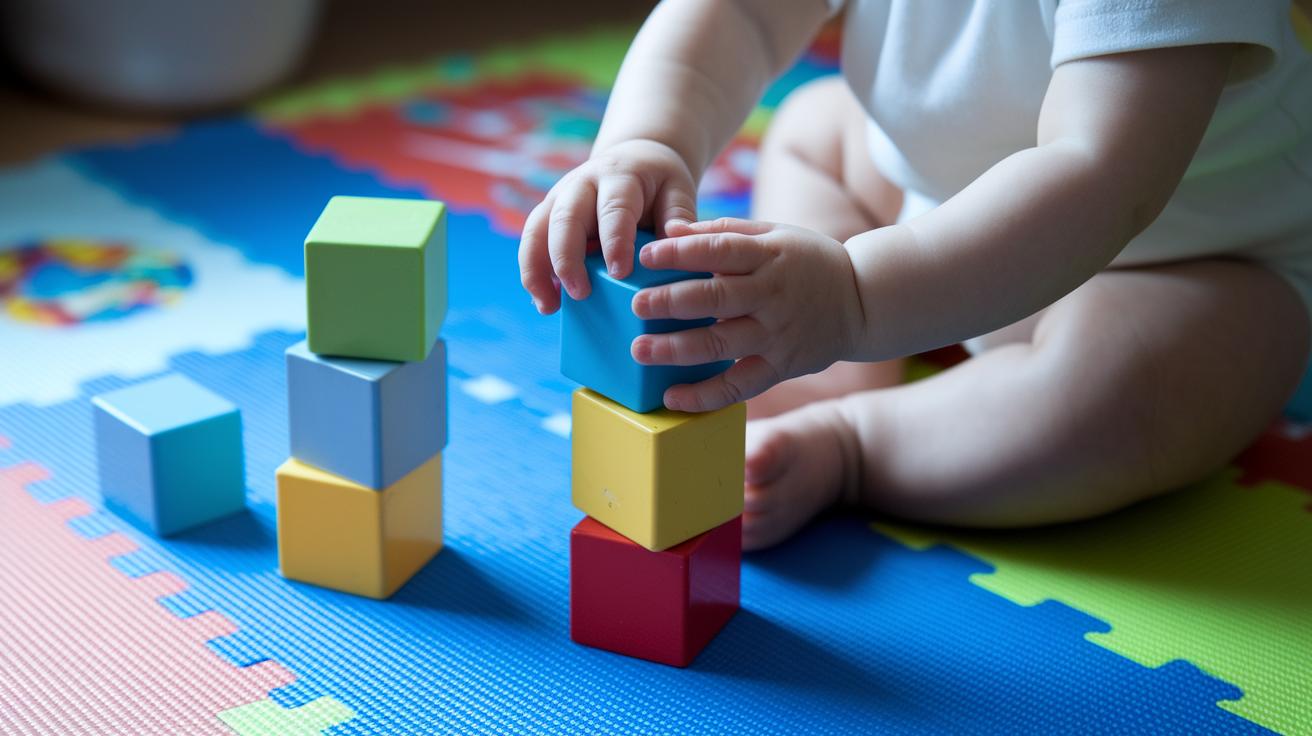
Playing with stacking toys is a fun way to help your baby build motor skills and learn about space. Babies usually start exploring blocks by putting them in their mouths around 7 to 9 months, and soon after, around 10 to 15 months, they begin stacking them with intention. At first, stacking two or three blocks boosts their fine motor abilities. Later on, when they build towers with four to six blocks, it sparks their problem-solving skills and creativity. And of course, safety is key, always choose toys made from non-toxic materials (that means they're safe and free of harmful chemicals).
Below is a side-by-side comparison of the top five stacking toys:
| Product Name | Age Range | Material | Price | Key Benefit |
|---|---|---|---|---|
| Mighty Mini Blocks | 7–9 months | Plastic | $15 | Boosts motor skill development |
| Eco Block Stackers | 10–15 months | Wood | $25 | Natural feel and eco-friendly |
| Tiny Tower Builders | 16–18 months | Silicone | $30 | Improves hand-eye coordination |
| Stacking Adventure Set | 18–24 months | Plastic | $20 | Fosters spatial reasoning |
| Creative Blocks Pro | 22–26 months | Wood/Plastic Combo | $28 | Encourages imaginative play |
Each toy gives your baby a way to explore different colors, textures, and shapes. If your little one is between 6 and 12 months old, you might want to check out stacking toys designed for that age at https://babyhalfoff.com?p=289. By choosing a toy that matches your child's growing skills and safety needs, you're giving them a wonderful chance to learn and play in a nurturing way.
Age-Appropriate Stacking Toys for Babies from 3 to 12 Months
3 to 6 Months
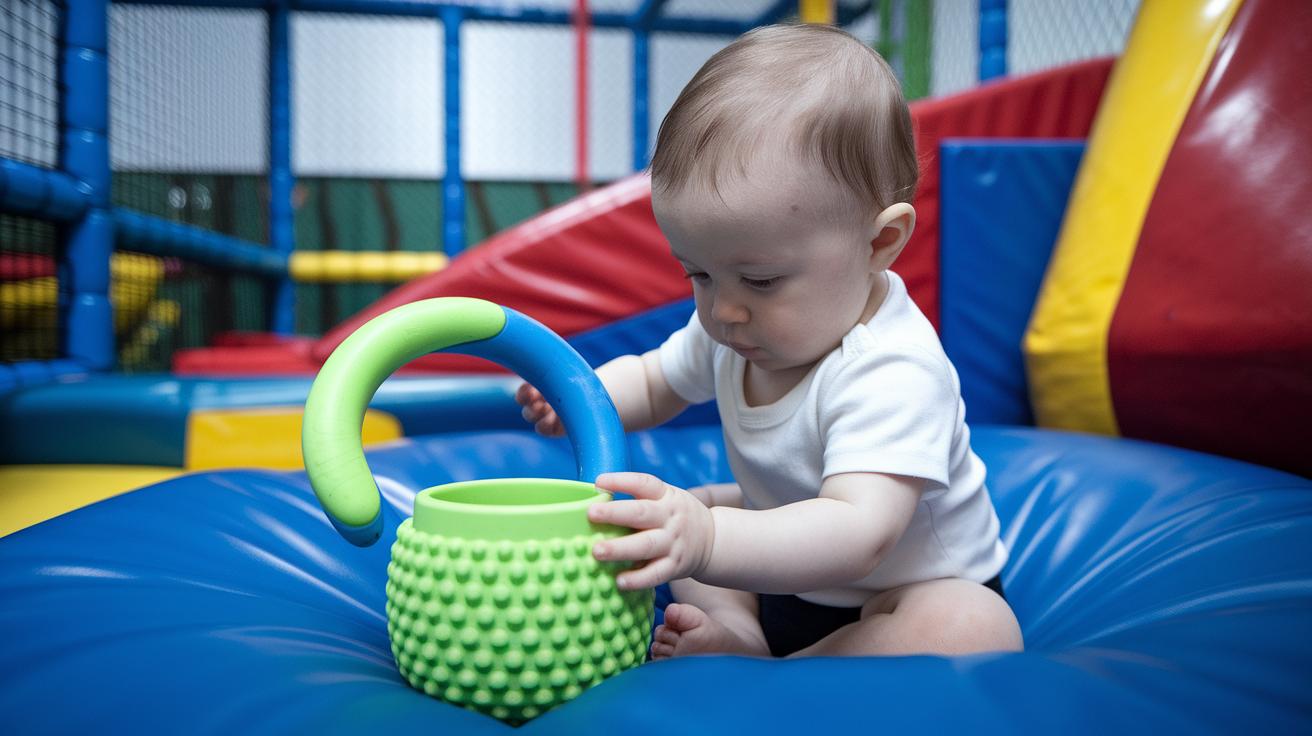
At this stage, babies love toys that are easy to grab and explore. Big, lightweight rings and nesting cups feel just right in little hands, with smooth edges and soft textures perfect for safe mouthing. Imagine holding up a bright, oversized ring and saying, "Look at this big ring!", playtime becomes a fun, sensory adventure. For more ideas, check out toys for 3-6 months.
6 to 9 Months
Now, textured stackers and oversized blocks bring a whole new fun. Babies enjoy exploring toys that feel rough, bumpy, or even slick. A textured cup might inspire a playful, "Ooh, it feels funny!" as they learn about different sensations. This stage is all about building hand-eye coordination, one joyful discovery at a time.
10 to 12 Months
In this phase, simple ring towers and chunky blocks turn stacking into an exciting challenge. Little ones start arranging pieces into small, wobbly towers, learning about size and balance with every play. Picture a baby carefully placing one block on top of another and proudly saying, "I made a tower!" These basic sets not only boost their physical skills but also fill them with a sense of accomplishment.
Material Comparison of Stacking Toys: Wooden vs Plastic vs Silicone
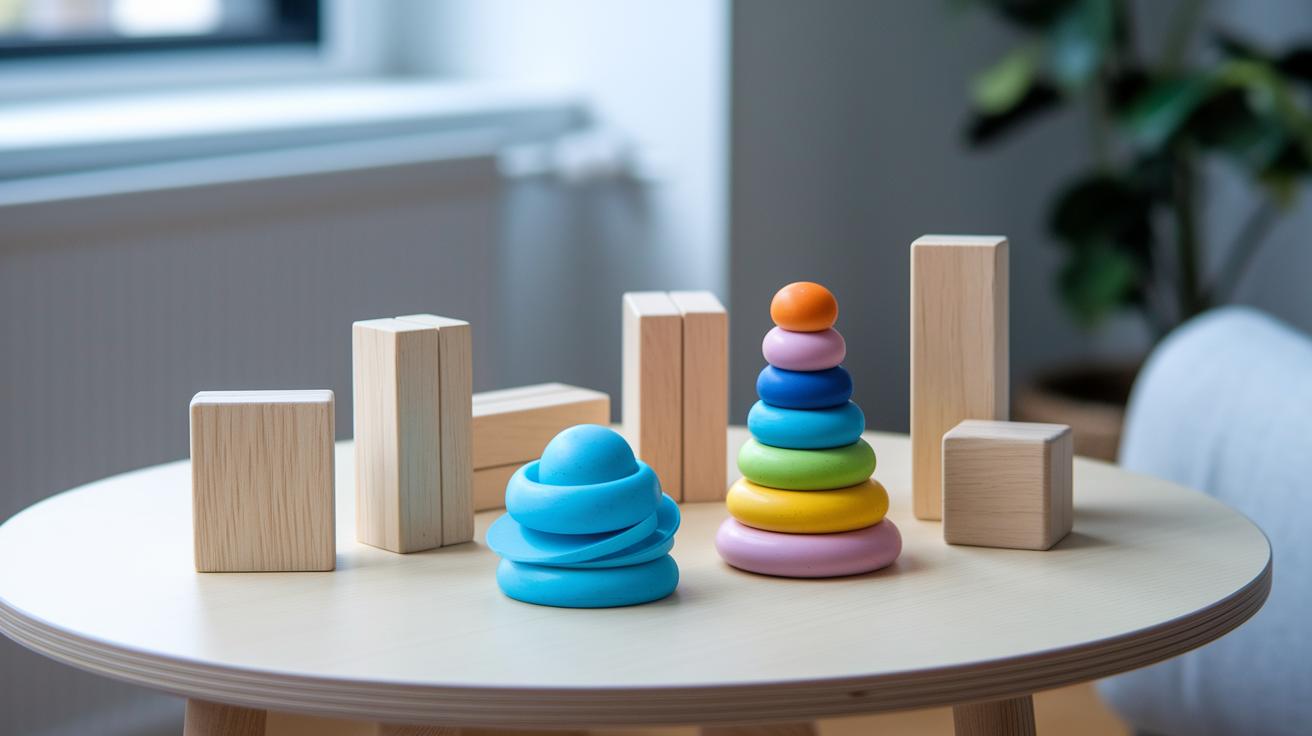
When it comes to picking stacking toys, the type of material really matters for safety, longevity, and how easy it is to keep clean. Wood gives off a natural vibe and is kind to the earth, offering a warm, classic feel many parents love. It makes a great eco-friendly building toy, but keep an eye out – heavy use might cause little splinters or some wear. Silicone toys, on the other hand, hold up really well and wash clean easily. They stay flexible yet sturdy even during energetic play, making them a trusted choice for busy families. Plastic toys shine with bright colors and a light feel that fits perfectly in tiny hands. However, not all plastic toys are made the same, so it's important to ensure that they meet safety standards (for example, checking if they are third-party certified).
| Material | Pros | Cons |
|---|---|---|
| Wooden | Eco-friendly, natural warm feel | May splinter or show wear with tough play |
| Silicone | Very durable, easy to clean, flexible yet steady | May feel synthetic to some parents |
| Plastic | Lightweight, colorful, often easy on the wallet | Quality varies and might have risky chemicals if not certified |
This side-by-side look helps you balance eco-impact, toughness, and cleaning needs when you’re choosing the perfect stacking toy for your little one.
Developmental Benefits of Stacking Toys for Babies
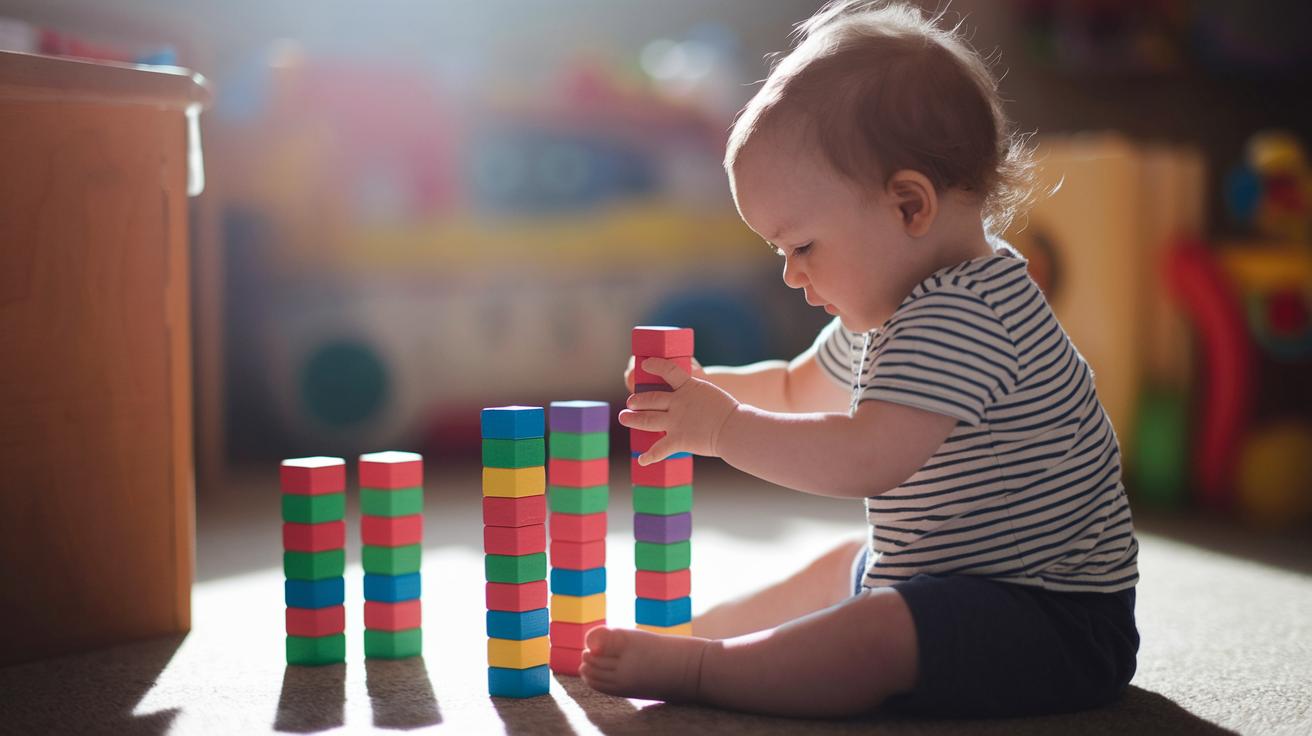
Stacking toys are more than fun play, they help build important skills. When your little one carefully picks up a tiny block, they're using their pincer grasp (that’s the way they hold things between their thumb and finger) while also learning wrist rotation and fingertip control. Every small movement helps build the muscles needed later for tasks like writing.
When blocks move from one spot to another, babies boost their hand-eye coordination. Imagine the little cheer of "I did it!" when they line up a block perfectly over another. This simple action lays the groundwork for skills like drawing and tracing later on.
Stacking toys also open up a world of spatial learning. As your child experiments with different sizes and weights of blocks, they start to understand which pieces fit best together. It’s like a playful puzzle where a smaller block finds balance on a larger one, a fun lesson in understanding space and gravity.
These toys spark creativity and encourage problem-solving too. Babies naturally explore by stacking blocks in new and sometimes funny ways, learning by trial and error. That playful discovery builds essential problem-solving skills, all while filling the room with smiles.
Playing together with stacking toys also strengthens social and emotional bonds. Sharing a block and taking turns creates special moments of connection between you and your little one. Those shared smiles and gentle interactions form a lasting bond that makes playtime even more meaningful.
Safety and Cleaning Tips for Baby Stacking Toys
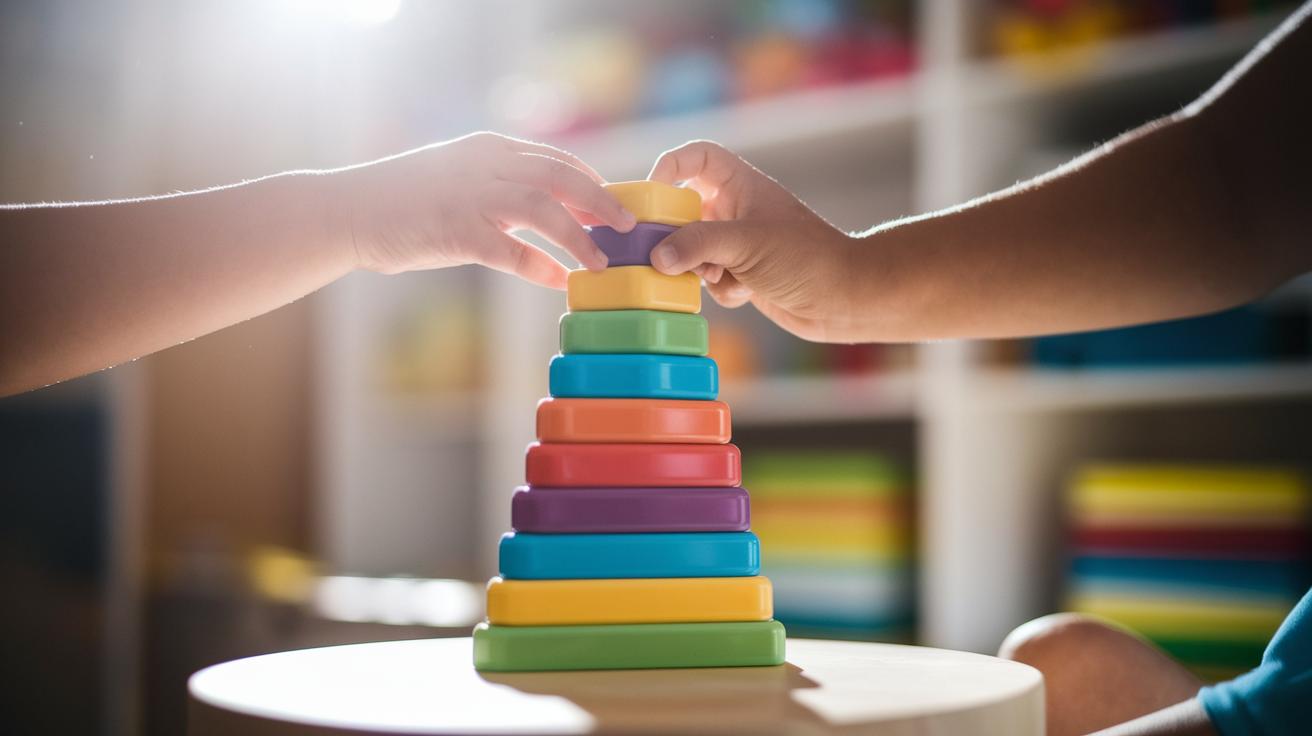
Playtime should be fun, but it’s also important to keep things safe and clean. When you choose and care for stacking toys, you’re not just setting up for hours of fun, you’re making sure your little one stays safe during every adventure.
- Choose toys with parts no smaller than 1.25 inches. This way, you help avoid any choking risks.
- Look for toys with smooth edges and rounded designs. Sharp corners can be dangerous, and we want every play session to be worry-free.
- Make sure all paints are non-toxic (safe for little hands) and the toys are BPA-free. These steps help reduce the risk of harmful chemicals.
- Check your toys often. If you spot any cracks, splinters, or loose parts, it’s best to throw the damaged piece away.
- Wash the stacking toys at least once a week. A mix of mild soap and warm water is perfect, and allow them to air dry completely so no moisture is left behind.
- Take a moment to inspect seams and joints regularly. If things start to show signs of wear, it might be time to consider replacing the toy.
- And always keep an eye on playtime. Being close by means you can quickly step in if a toy starts to tip over.
These simple tips can help you create a safe, clean, and joyful play area where your baby’s block adventures are both fun and free from hazards.
Buying Guide for Stacking Toys: Price, Reviews & Key Features
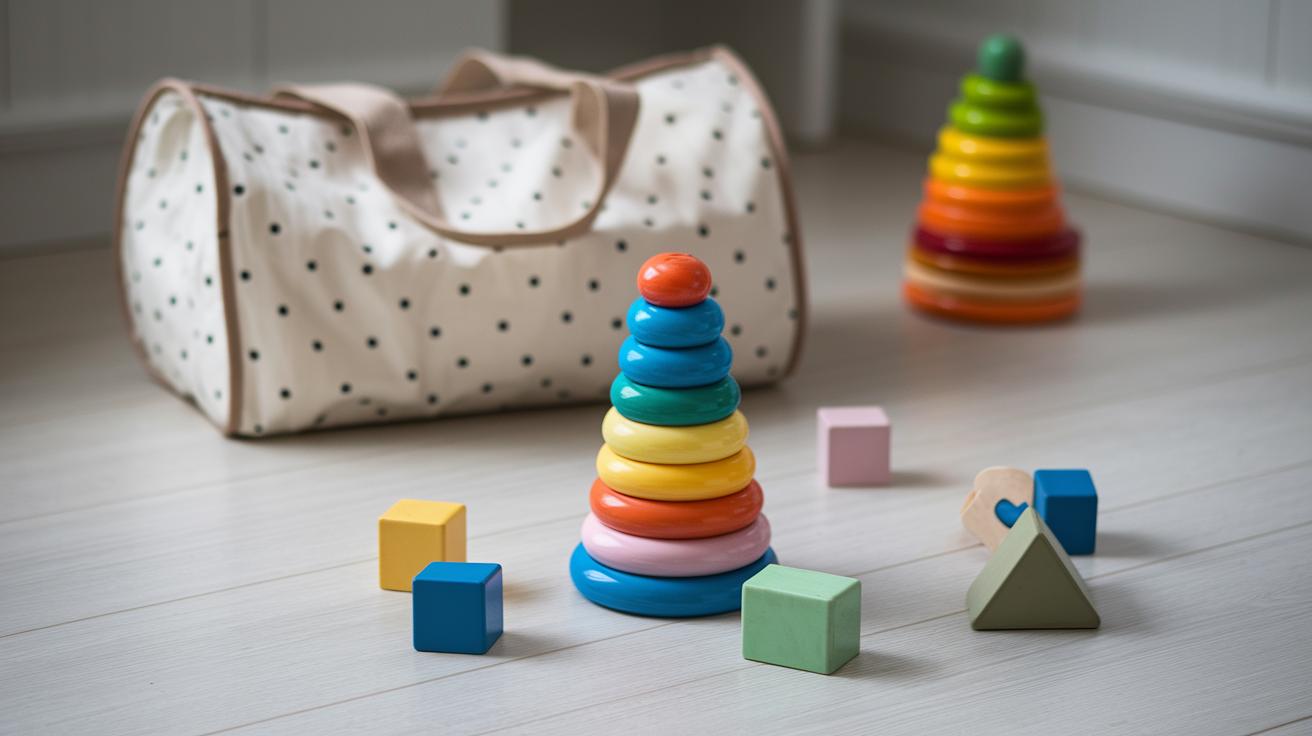
When you're looking for stacking toys, think of your choices like a simple puzzle where each piece matters. Most good quality sets cost between $10 and $30. Whether you're pinching pennies or planning a small treat, there’s plenty to choose from. You might see different shapes, like ring stackers or block sets, and colors that grab your child’s eye. Some sets even come with bonus items like storage bags or sorting trays, which make clean-up and play even more fun. Have you ever felt the excitement of finding a little extra surprise in a box?
User reviews can be a great friend in your search. Many top sets average about 4.5 out of 5 stars, showing they’re built to last and easy to handle. Look for comments about smooth edges, appealing designs, and how simple they are to clean.
Key features to keep an eye on include:
| Feature | Description |
|---|---|
| Price Range | Fits various budgets |
| Bonus Extras | Includes little extras like activity guides |
| User Ratings | High scores mean they are play-approved |
This guide is here to make your decision a bit easier. No matter which set you go for, you can be sure it will be kind to your wallet and help create safe, joyful playtimes that both you and your little one will cherish. Enjoy the search and happy playing!
Final Words
In the action of picking the perfect playmate for your little one, we compared top stacking toys for babies. We explored reviews, safety checks, material differences, and the fun benefits that help develop fine motor skills and hand-eye coordination. Each section offered simple tips to choose toys that are safe and easy to clean. The hands-on approach supports busy parents in setting up a cozy nursery while saving money. Keep exploring these fun, smart selections to build happy, safe play moments.
FAQ
What are the benefits of stacking toys for babies?
The benefits of stacking toys for babies include boosting fine motor skills, hand-eye coordination, spatial reasoning, and creativity. They also encourage interaction during play while providing a fun, hands-on learning experience.
When should babies start stacking toys?
Babies typically begin stacking toys between 10 and 15 months, gradually adding more blocks as they progress. Individual pace varies, so some may start a bit earlier or later while developing these skills.
Is stacking a developmental milestone for babies and is it normal for them to stack things?
Stacking is a common milestone that shows developing motor skills and problem-solving ability. It’s normal for babies to experiment with stacking as they explore touch and balance through play.
What stacking toys work best for different age ranges like 6–12 months, 1 year olds, and toddlers?
For 6–12 month-olds, opt for larger, easy-to-grasp pieces. One-year-olds enjoy basic block sets, while toddlers benefit from more varied shapes and colors that challenge and build stacking skills further.
How do stacking toys support toddlers with autism?
Stacking toys offer clear patterns and predictable play that can help toddlers with autism thrive. They provide structure, encourage focus, and develop fine motor skills in a calm and engaging way.
What should I consider when buying the best stacking toys for babies?
When choosing stacking toys, look for safe, non-toxic materials, durable design, and age-appropriate pieces. These features ensure that your little one gets a secure, fun, and educational play experience.


