
Have you ever noticed how a calm voice can soothe even the toughest tantrum? Positive discipline is all about gently guiding your child with empathy and clear, caring words. It helps your little one learn from mistakes while feeling safe, loved, and understood.
In this post, you'll discover simple, practical tips that work, even when your child is upset. These respectful approaches turn everyday challenges into special moments of connection and growth for both you and your little one.
Foundational Positive Discipline Strategies for Parents: The 7 Key Techniques
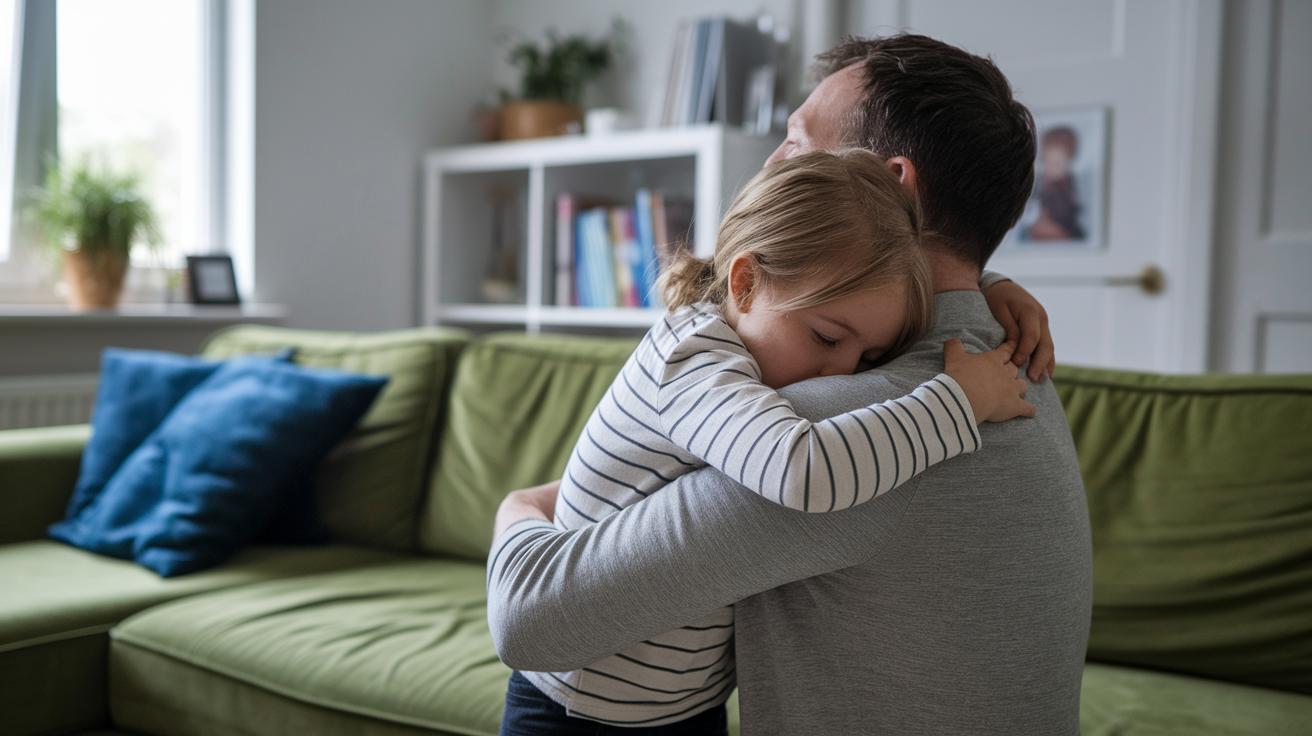
When we choose gentle, non-punitive discipline, we're really giving our kids a safe space to learn how to handle their emotions. It’s all about swapping punishment for empathy and building trust. I’ve seen how this kind of care boosts a child’s self-esteem and deepens the bond, even during those tough moments, like when a 4-year-old has a meltdown in public.
Try using "I" statements to talk about your own feelings clearly and respectfully.
Set up simple, steady routines and gentle boundaries that guide behavior without making things feel harsh.
Celebrate your child’s good behavior right away with kind words and hugs.
Offer choices that give them a little power over decisions, big or small.
Redirect their attention to fun and productive activities when misbehavior pops up.
Keep your cool during stressful moments by slowing down with a few deep breaths or a quiet spot for calm time.
And why not involve your kids in making some of the rules? This helps them understand and feel part of the process.
These techniques work because they blend clear talk, steady routines, and friendly guidance. When discipline feels like a team effort rather than a power struggle, things really change. Everyday challenges turn into moments for growth, leaving both you and your child feeling more connected and respected. Isn’t it amazing when a tiny shift in approach can transform the whole day?
Understanding Positive Discipline vs Traditional Approaches

Positive discipline is all about gently guiding kids using respect, empathy, and clear communication. Instead of punishing, it focuses on showing children where they went wrong so they can learn self-control. This method uses proven, research-backed ways to help little ones manage their feelings and work well with others. Many caring programs show that setting firm yet kind limits helps kids learn problem-solving in a safe space.
Traditional methods, however, often rely on fear or strict punishments that can make kids feel stressed and lower their self-esteem. They might work for a little while but usually leave lasting discomfort and a tendency to avoid problems rather than solve them. In contrast, nurturing discipline, similar to what you see in authoritative parenting, welcomes children into the learning process. This approach builds a warm, respectful bond between parent and child while helping kids develop the inner skills for good decision-making and self-discipline.
Effective Communication in Positive Discipline for Parents

Communication is the heart of positive discipline. When you speak clearly and kindly, your child feels safe and truly heard. This gentle way of talking builds trust and makes daily guidance feel like a caring chat instead of a scolding session.
There are some simple tips that can really help. First, try active listening. That means pausing for a moment, making eye contact, and showing your child that you care about every word they say. Using "I feel" statements, like "I feel worried when I see you upset," lets your child know your feelings without blaming them.
Watch your tone too. Keeping your voice calm and steady helps prevent conflicts and encourages a kind response in your little one. When it comes to giving directions, be as clear as you can. Instead of saying "Be good," try, "Please use your quiet voice when you speak." This paints a clear picture of what you expect.
Taking a moment to acknowledge your child's feelings, like saying, "It sounds like you're really frustrated right now", can go a long way in soothing strong emotions.
So, every time you talk with your child, practice active listening, use clear "I feel" statements, and keep your tone warm and steady. These small changes help turn everyday conversations into moments of real connection and support.
Positive Reinforcement Techniques to Encourage Good Behavior
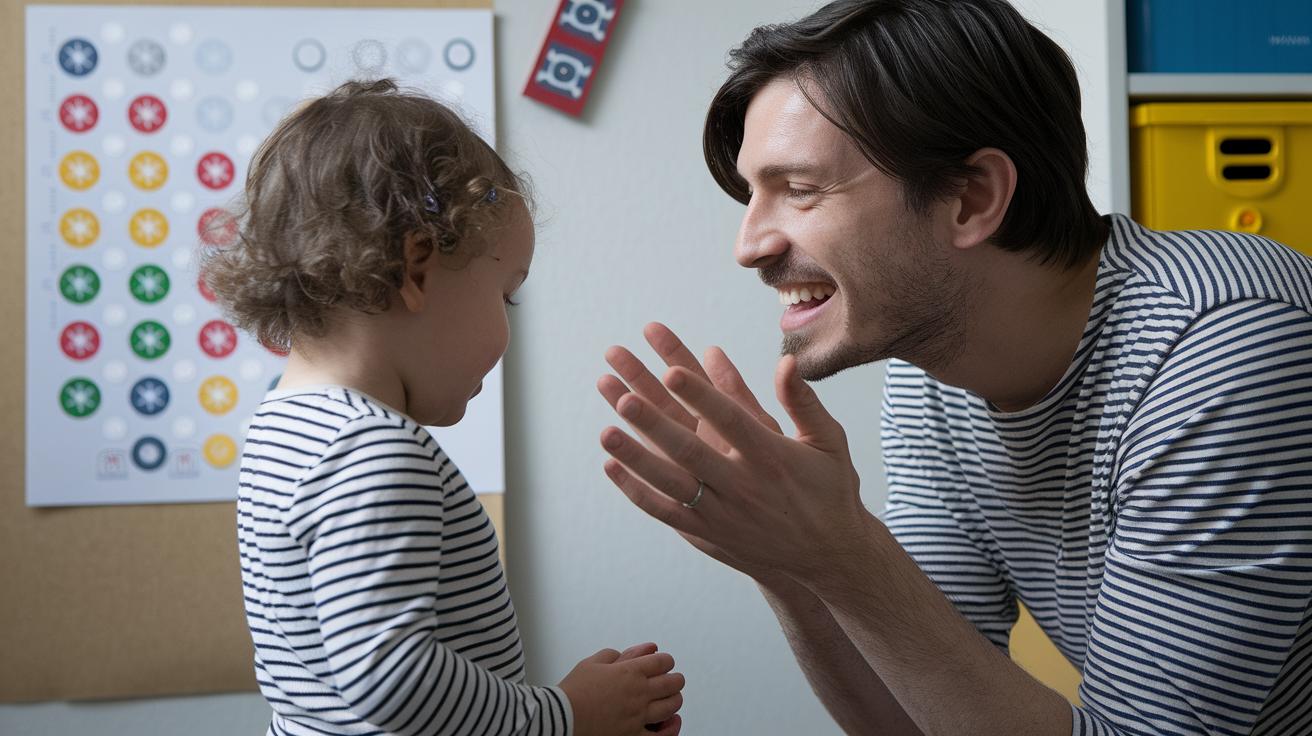
When we focus on what our little ones do well instead of what they get wrong, we build their self-esteem and encourage progress. Shifting our attention to their positive actions helps them feel confident and learn responsibility in a kind, caring way.
Verbal praise really works wonders. Saying things like, "Great job!" or "I love how you shared your toy," makes your child feel loved and appreciated. Sometimes, using a sticker chart or giving a small treat for each good deed adds that extra fun touch, kind of like collecting little treasures that celebrate their efforts.
Letting natural outcomes guide them can also make a big difference. For example, if finishing chores means extra playtime, your child learns that good choices come with great rewards. This gentle way of showing cause and effect helps them understand that when they try hard and do well, good things follow.
Setting Consistent Boundaries with Empathy in Positive Discipline
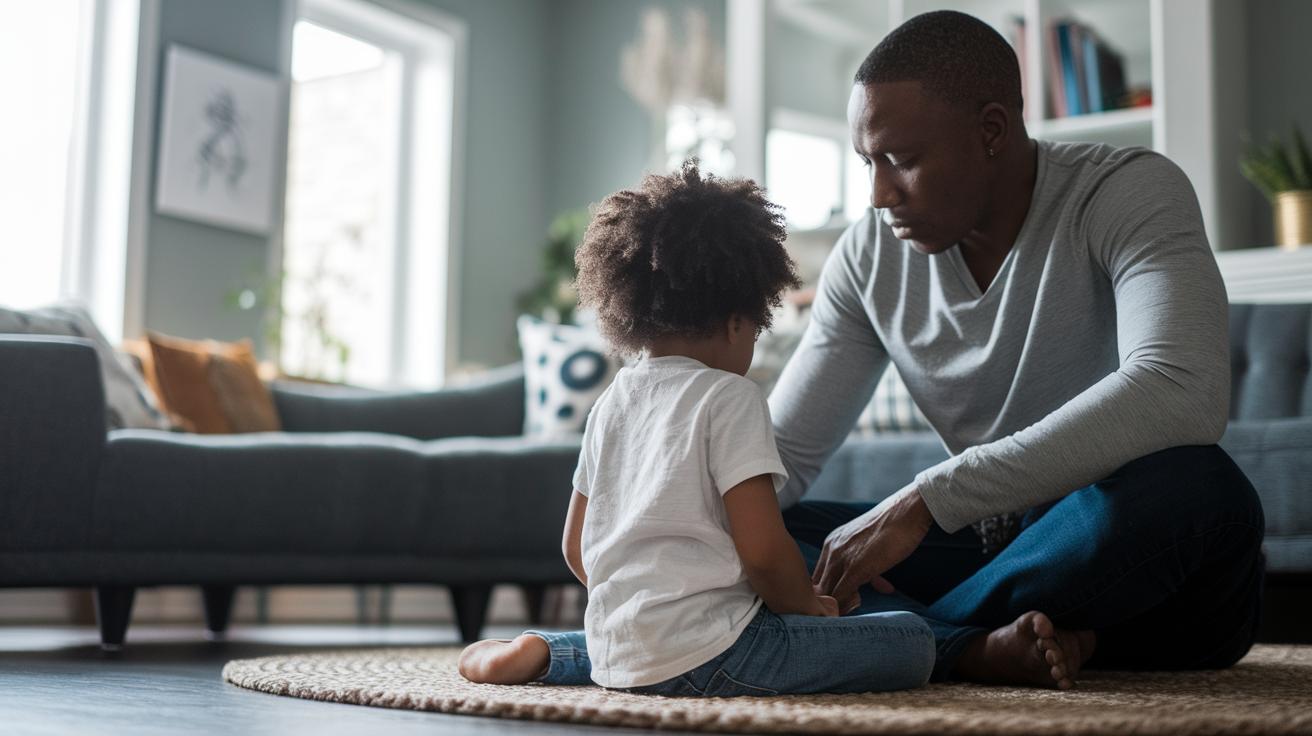
When you set clear, kind limits, it helps build your child's self-discipline. Kids feel secure knowing what is expected, and they enjoy exploring safely. Taking a moment to explain why a rule exists and asking your little one for their thoughts makes these boundaries feel fair and caring. This friendly approach not only guides behavior but also builds trust between you and your child.
| Boundary | Empathetic Explanation | Example |
|---|---|---|
| Bedtime | Helps them understand that sleep recharges the body and mind | A cozy routine with a story and a cuddle before sleep |
| Screen Time | Shows they need a healthy mix of digital fun and other play | Limiting TV and tablet time so there’s room for play and quiet moments |
| Outdoor Play | Keeps them safe while letting them explore creatively | Staying within a safe play area when at the park |
| Meal Times | Fosters healthy eating by setting regular mealtime routines | Enjoying meals together as a family at set times |
Bringing your child into the conversation about rules makes a big difference. Try asking for their ideas on setting boundaries and explain why each rule is important. This way, you're not just laying down rules but creating a warm home where everyone feels they belong.
Managing Challenging Behaviors through Non-Punitive Discipline Methods

Mix non-punishing techniques with simple, positive discipline ideas and open, honest chats. When feelings get strong, try these gentle reminders so your child learns to calm down while you stay close and supportive.
De-escalation Techniques
When things heat up, pause for a few deep breaths and soften your voice. Think of it like rebooting your computer, a few slow breaths can help clear the mind. For example, you might say, "Let's take a deep breath together. In, and then out," to ease the tension without reusing the same old advice.
Redirection Strategies
If your child starts to feel frustrated, gently change the subject by suggesting a fun, engaging task. Offer choices such as drawing or playing quietly. You could say, "How about we color a picture?" to quickly switch to something positive and new.
Handling Public Meltdowns
If a meltdown happens while you're out, try taking a deep breath and quietly guiding your child to a calmer spot. Keep your voice soft to show that their feelings are okay. A simple, "Let’s step aside for a moment to feel better together," can blend calm breathing with smart guidance in public.
Teaching Emotional Regulation in Children with Positive Discipline
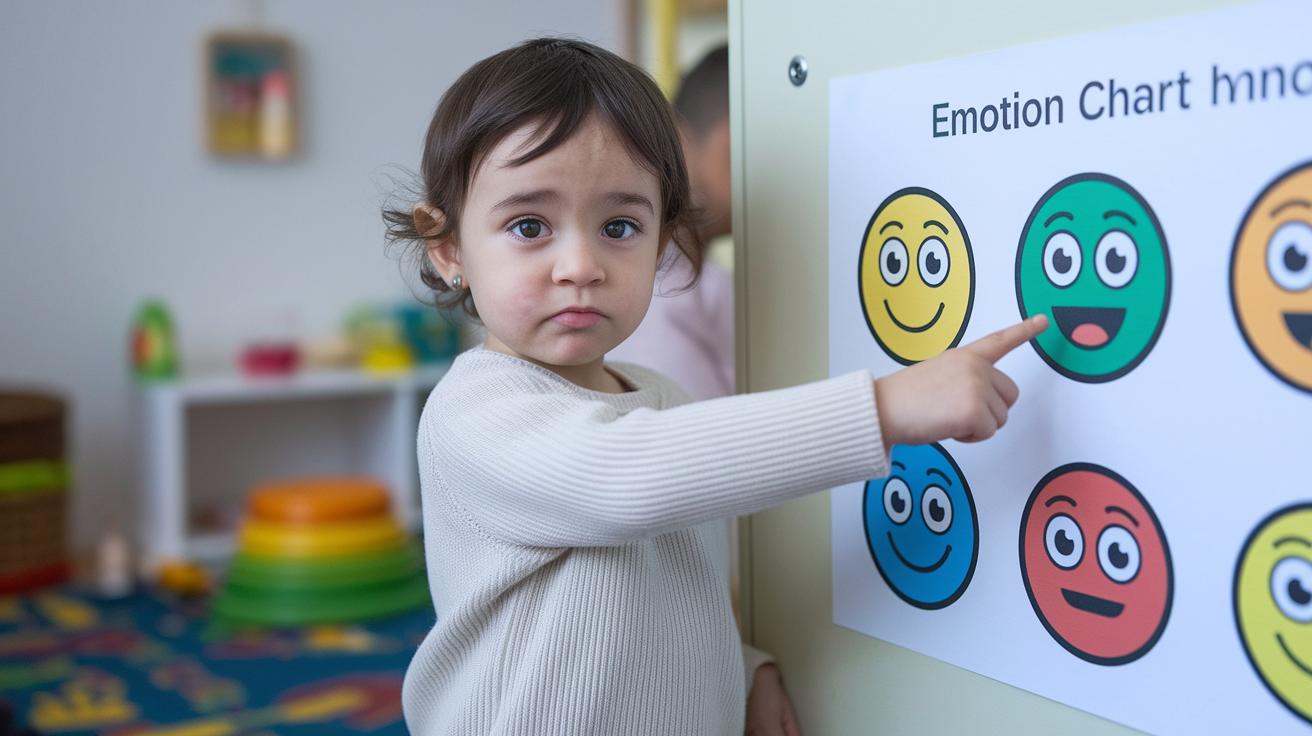
Self-regulation is key for our little ones to learn how to handle their feelings. When kids start to understand and manage their emotions, they become calmer and more confident. It’s like giving them a superpower for everyday ups and downs, so they don’t get too overwhelmed by life's little surprises.
Simple tools can make a big difference. For example, an emotion chart is a great helper. With it, your child can point to or name what they're feeling, be it happy, frustrated, or sad. This visual guide is a fun way for them to tune in to their inner world. And sometimes, all it takes is a quick breathing break. When your child feels upset, just ask them to take a slow, deep breath. It’s a bit like pausing during a busy day to regroup and find that calm center again.
Reflection questions are another gentle way to help your child explore their feelings. Asking something like, “What do you think made you feel this way?” invites them to think a bit about what happened. It’s a warm conversation that lets you both understand and work through tough moments together. This kind of caring follow-up can make them feel safe and understood.
Over time, these calm-down routines and simple coaching practices build a real sense of resilience. Together, you’re laying the groundwork for a future where your child feels balanced and ready to face the world, one deep breath at a time.
Overcoming Implementation Challenges in Positive Discipline Strategies
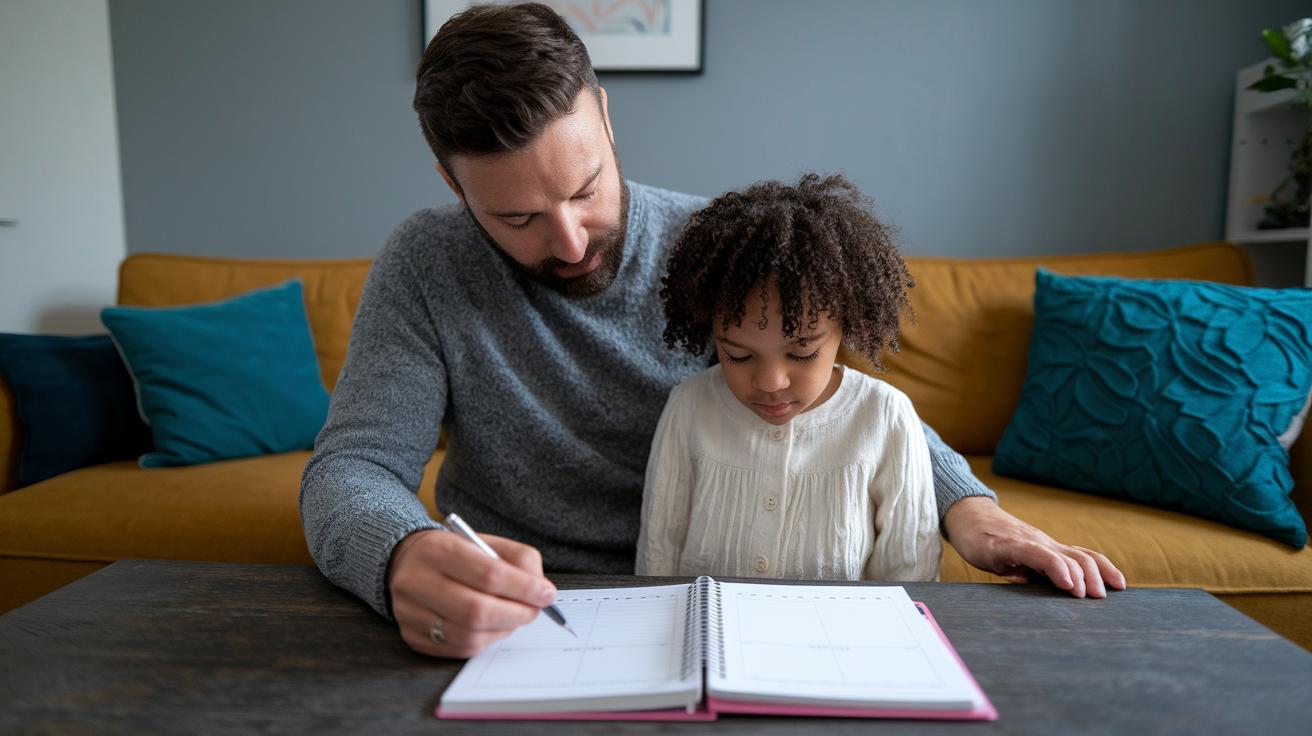
Parenting can sometimes feel really overwhelming, even if you’re doing your best. It’s totally normal to get stressed or frustrated when positive discipline methods feel hard to keep up with. Little surprises during the day can easily test your patience and shake up your routine.
It helps to carve out a bit of time just for you. Try setting up a simple routine that lets you take deep breaths or enjoy a short walk around the block. Those small self-care breaks remind you that you deserve a little kindness from yourself, too. Even a flexible schedule can make positive discipline feel a bit more manageable. Using a planner or setting a tiny goal each day might give you a sense of control when things feel chaotic.
Another big help is building a small support network. Chatting with friends or other parents about your experiences can bring real encouragement and practical tips. It lightens the load of parenting and shows that you’re not alone in striving to raise kind, thoughtful kids.
Additional Resources and Support for Positive Discipline Parents
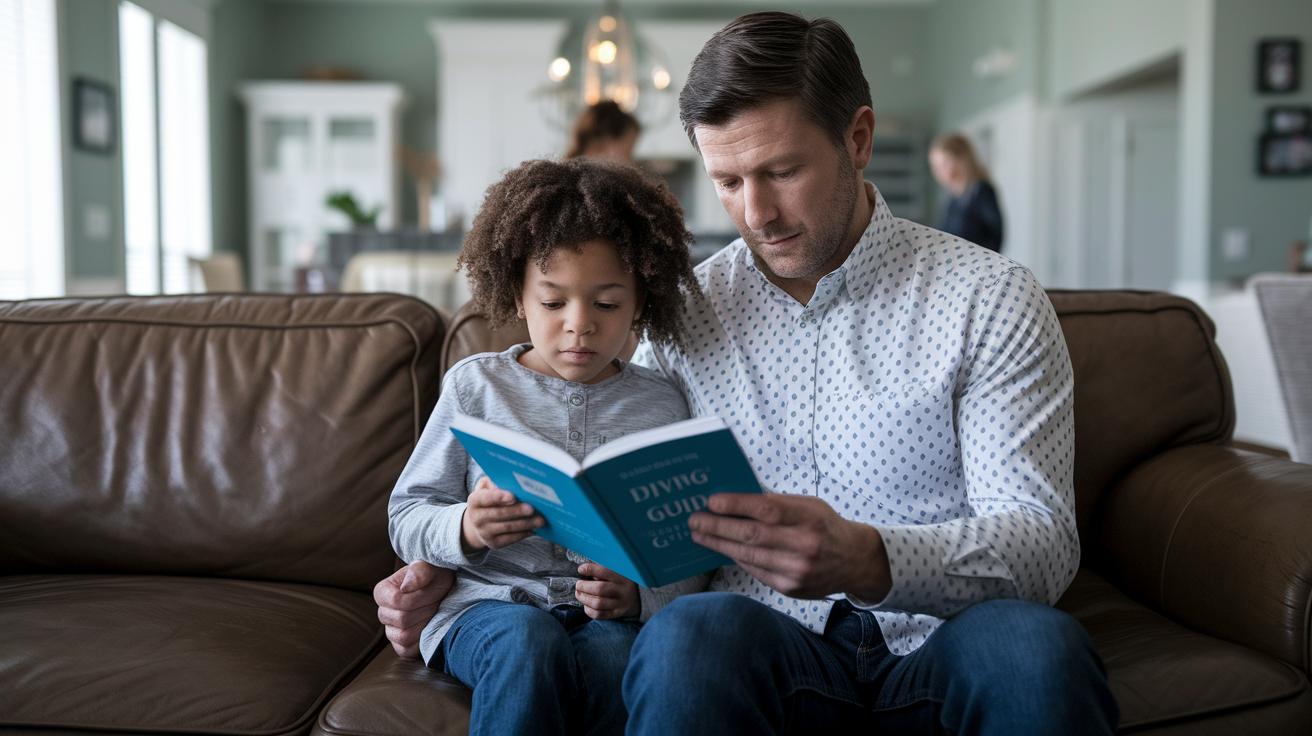
There are plenty of resources out there to help you explore and grow your positive discipline skills. You can find friendly parenting programs, online quizzes, easy-to-read guides, and research reports that share real-life tips for creating a warm, supportive home. These tools make it easier to start using gentle methods every day and help you set caring boundaries for your little one.
Workshops let you get hands-on practice and chat with experienced teachers. Books and research reports give you step-by-step advice with true-to-life examples. Online tools even offer interactive quizzes and digital guides, check out this guide for parents trying positive methods for the first time: first time parent tips.
Each resource is here to boost your confidence and connect you with other families on the same journey. They deliver clear, friendly advice, making the path to positive discipline simple and joyful for you and your child.
Final Words
In the action of putting these seven nurturing techniques into play, you can see how non-punitive discipline helps build trust and emotional balance. We explored everything from clear communication to gentle redirection, each step making daily parenting a bit smoother. Small adjustments in handling meltdowns and setting boundaries really add up. Every strategy shared here empowers you to keep a calm, caring atmosphere at home using positive discipline strategies for parents. Enjoy the peace, and know that every effort brings you closer to a happier, stronger bond.
FAQ
What are positive discipline strategies for parents?
Positive discipline strategies for parents involve nurturing, respectful techniques that guide behavior without harsh punishment. They use clear communication, natural consequences, and empathy to build strong bonds and encourage self-regulation in children.
How can I discipline a child without yelling, hitting, or being abusive?
Disciplining without yelling, hitting, or abusive methods means using calm, clear instructions and natural outcomes designed to teach. It focuses on connecting emotionally and guiding responsibility through understanding rather than fear.
What are effective non-punitive methods and age-appropriate consequences?
Effective non-punitive methods use consistent, natural consequences that fit a child’s age. This approach avoids harsh punishment by helping children learn from mistakes while promoting self-discipline and thoughtful behavior.
How does positive discipline work in different settings like school and home?
Positive discipline works across settings by promoting clear expectations, empathy, and mutual respect. Both teachers and parents guide children using supportive feedback, collaborative problem-solving, and praise to foster learning and well-being.


