
Have you ever seen how one small change in your toddler's day can bring so much calm and joy? Imagine waking up to warm cuddles and a little clock that gently signals a new start. This isn’t just about sticking to a schedule; it can turn a hectic day into something cozy and sweet. Today, let's chat about how tiny shifts can fill your day with soft energy and happy moments, making parenting feel fun and truly rewarding.
Quick-Glance Daily Routine for Toddlers

- 7:00 am: Wake-up time using the OK to Wake Clock. It gently signals that a new day has begun, like a soft morning hug.
- 8:00 am: Time to do little chores while enjoying a cozy breakfast. It's a sweet blend of care and routine that helps everyone feel connected.
- 10:30 am: An ideal moment for outdoor play or a short outing. This gives your little one space to explore and burn off energy.
- 12:30 pm: Lunchtime arrives, offering both nourishment and a relaxed moment for family chat.
- 1:30–3:30 pm: Nap time, reserved for a quiet setting where soothing lullabies help your toddler drift off into a peaceful sleep.
- 3:30–5:30 pm: Engage in gentle, quiet play before dinner. This calm period sparks creativity and eases the transition to the evening.
- 5:30 pm: Enjoy a family dinner together, sharing a meal and calm conversation that brings everyone closer.
- 7:30 pm: Start winding down with a bedtime routine marked by dimmed lights and soft, calming music, easing your child into a restful night.
This schedule helps parents shape each day with gentle energy and joyful routine.
Morning Parenting Routines for Toddlers: From Wake-Up to Lunch
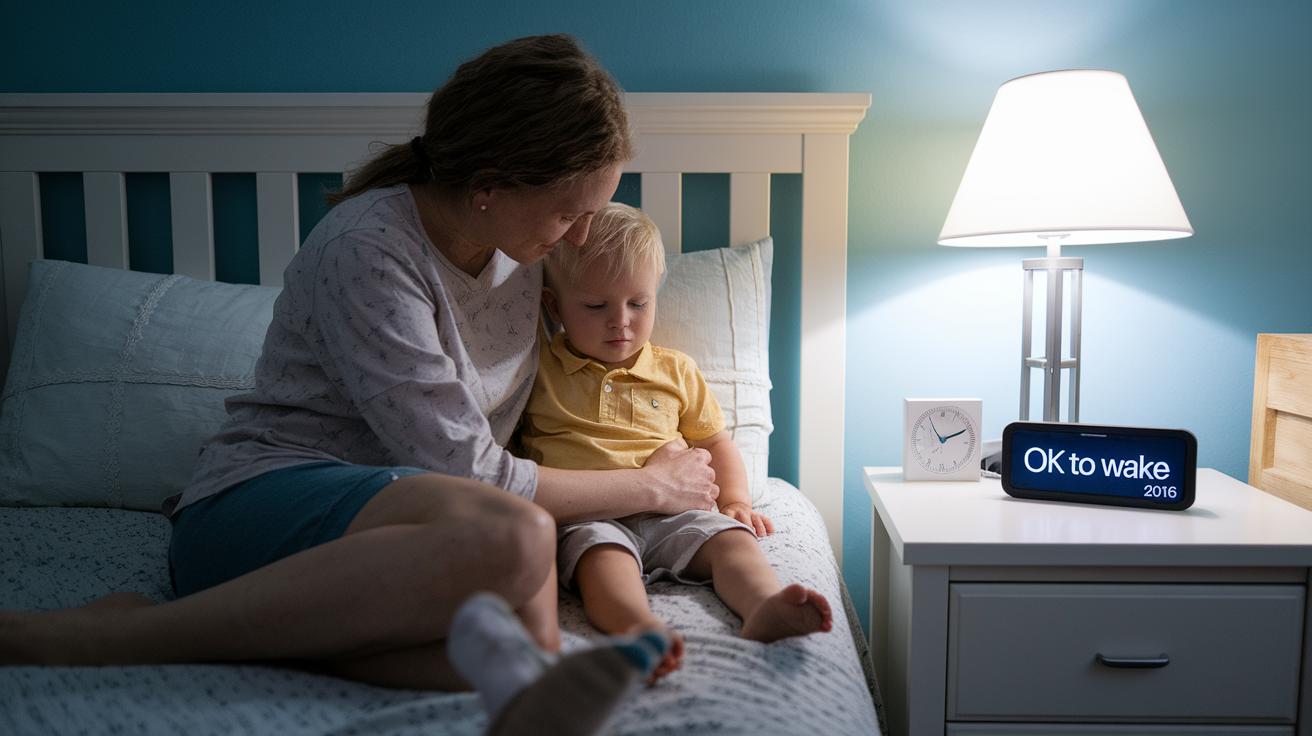
Start your day with a gentle, loving moment with your toddler. Take a few minutes for a cuddle or quiet chat when they wake up, it works wonders for their mood and can help ease later crankiness. Picture greeting your little one with a warm smile and kind words, much like giving them a snug hug.
Simple tools like the OK to Wake Clock clearly show when it's time to rise. This little helper sets a steady routine and makes your toddler feel more independent. While you whip up breakfast, let them explore cool textures or enjoy some independent play. Imagine them arranging their colorful toys as you stir the oatmeal, it turns breakfast prep into a small adventure.
Around mid-morning, say 9:30 am, offer a little snack to keep energy levels up. Use a kid-friendly cup and turn drinking water into a fun self-care moment. A quick potty break during this time can also help your toddler feel more secure about using the toilet.
Involve your little one in simple tasks like setting the table or tidying up. These moments not only boost their confidence but also create a shared sense of responsibility. By mixing in cuddle time, independent play, tasty snacks, and gentle potty breaks, you’re setting a loving, structured tone that carries through the rest of the day.
Play and Learning Routines for Toddlers: Midday Sessions

Midday is a perfect time for fun activities that mix indoor creativity with a bit of outdoor moving around. Start by inviting your little one to a fun dress-up or role-playing game. It feels like a mini home theater and helps boost their social and emotional skills.
Then, share a story together. Picture sitting in a cozy circle as colorful characters come to life from your favorite book. This simple moment not only builds language skills but also strengthens your bond. After the story, switch to art time. Set up a space with playdough, crayons, and coloring books. These activities help develop small hand muscles and spark imagination.
You can also create a little play area indoors. Arrange building blocks or a small puzzle nook where even cleaning up turns into a playful race. It’s a fun challenge that makes tidying up exciting. Finally, be sure to include 20 to 30 minutes of outdoor play. Whether your child is running in the yard, climbing safely on playground equipment, or hopping around happily, this time builds big muscle skills and offers a refreshing break.
Combining indoor creativity with outdoor play means that every moment, even cleanup time, turns into a learning opportunity. Your toddler gets a balanced midday filled with playful exploration and active fun.
Structured Mealtime and Snack Routines for Toddlers

When you set up clear routines for eating, your little one feels safe and happy while learning good eating habits. Start the day with breakfast at 8:00 am. As you serve the meal, chat softly with your toddler, try asking, "What color is your juice today?" This fun question makes mealtime playful and helps your child learn new words.
At 12:30 pm, it's time for lunch. Invite your toddler to pitch in by setting the table or clearing their dishes afterward. These little jobs are a great way for them to learn responsibility without feeling overwhelmed. It also turns mealtime into a team effort that brings the family closer.
Then, around 3:00 pm, offer a small, healthy snack. This is a good moment to remind your child about drinking water. You could say, "Here’s your special cup, let’s fill it up together." This friendly approach helps them learn to drink on their own while having fun.
Dinner comes at 5:30 pm. At this time, you can switch roles in the family kitchen, maybe someone else serves or helps prepare the meal. While you enjoy dinner, share simple stories like the best part of the day. With these easy steps, mealtime becomes a nurturing routine that boosts both good nutrition and overall growth.
Naptime and Bedtime Routines for Toddlers: From Afternoon to Night

Let’s set aside a special naptime from 1:30 to 3:30 in the afternoon. Before the nap kicks in, lower the lights and play some soft music or read a gentle story. You might say, "Let's listen to this sweet tune and enjoy a little story," making it a cherished, calm moment your toddler can look forward to.
As the day moves on and evening arrives, aim for a quiet bedtime routine around 7:30. Start with a warm bath that soothes your little one’s tired muscles. Then, help them into comfy pajamas and brush their teeth in a friendly, relaxed way. Imagine this: after a bubbly bath, your child snuggles into a soft, warm onesie. This simple routine of bath, pajamas, and brushing teeth can turn bedtime into a peaceful ritual that helps avoid any fuss.
Next, add a cozy storytelling time to wind down completely. Choose your favorite nursery rhymes or picture books that spark lively imaginations and boost language skills. It’s like tucking your child in with a warm, comforting hug of words.
Finally, make sure the sleeping space feels just right. Keep the room cool and dark (blackout curtains work great here) and let a quiet white noise play in the background. And when your child drifts off, take a brief two-minute pause for yourself, close your eyes, enjoy the calm, and recharge for a bit. It’s a little moment of peace that helps both of you relax into the night.
Smooth Transitions in Toddler Routines: Managing Activity Changes
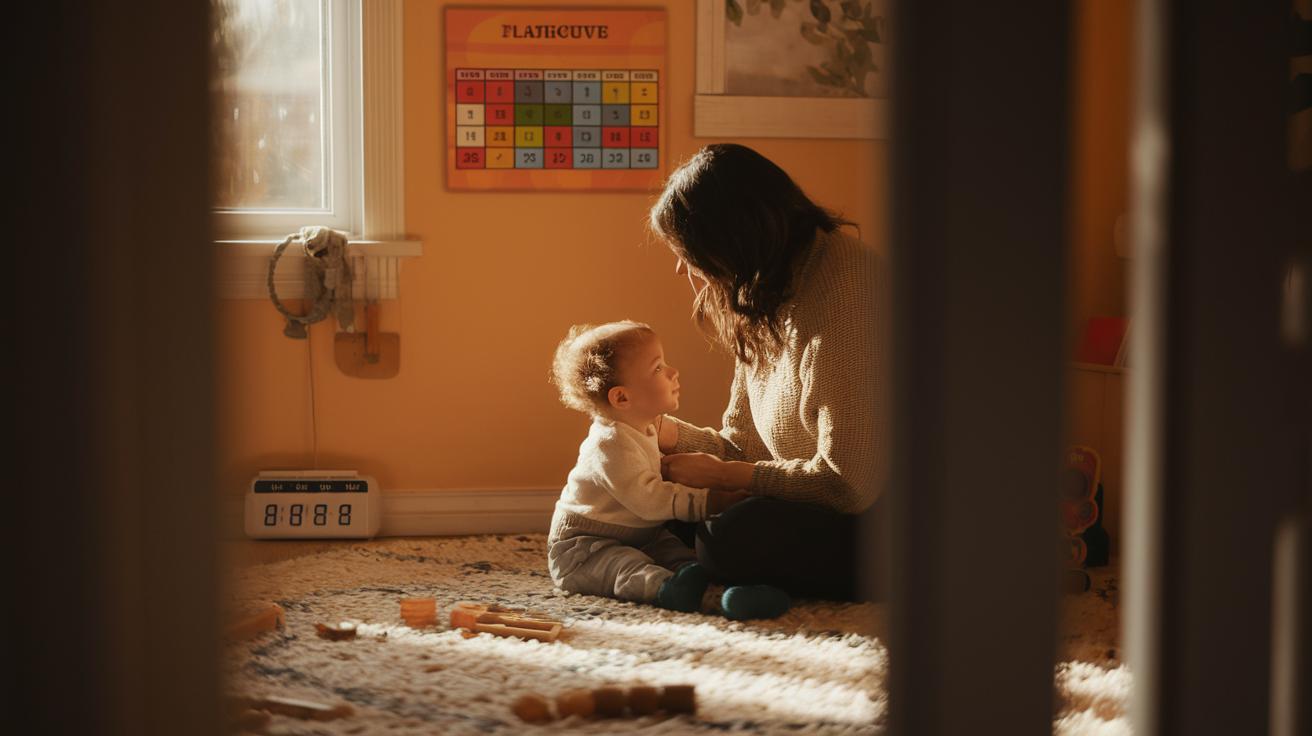
Sometimes all it takes is a little timer to let your toddler know that a change is coming. Whether it’s a classic hourglass or a simple timer app, these reminders work like magic. You might say, "Hey, the timer is almost up. In just a few minutes, we’ll switch from playtime to storytime!"
Letting your child know a couple of minutes before a change helps them get ready without feeling rushed. For example, you can gently remind them, "In two minutes, we'll tidy up and start our art project." That small warning builds trust and helps them ease into the next activity.
A picture schedule on the wall can be a real lifesaver. Imagine a row of photos showing breakfast, playtime, and then nap time. This visual cue lets your little one see what’s coming next, making transitions smoother and less stressful.
You can also turn these moments into a fun game. Try something playful like "hop to the door" when it’s time to move on. And if your child is really into what they’re doing, it might help to give them a few extra moments before moving on. This little bit of flexibility shows that you understand their excitement, making the change feel natural and stress-free.
Discipline and Reinforcement Within Toddler Parenting Routines

Start with small, happy moments that boost your toddler’s mood. A quick high-five or a gentle word right after they finish a task works wonders. For example, when your little one proudly cleans their hands, say, "Great job!" This kind of immediate praise builds their confidence and shows them what’s expected.
A reward chart can add a fun twist to your daily routine. Imagine a colorful chart where each sticker represents a milestone, like tidying up toys or brushing teeth. It turns everyday tasks into a fun game, and you might say, "Every sticker brings you closer to a special surprise!" This helps motivate them to stick with the routine.
When it’s time to switch gears, keep your tone light and kind. Instead of saying, "Stop playing now!" try something like, "It’s cleanup time; let’s sing our cleanup song!" This gentle redirect makes transitions smoother and feels more supportive.
Before each new part of your day, set clear expectations. For instance, before a snack, remind your toddler, "After snack, we wash our hands." If emotions run high, acknowledge them by saying, "I see you’re upset; let’s take three deep breaths." This mix of clear guidelines and heartfelt support follows the trusted approach of supportive parenting.
Adapting and Evolving Parenting Routines for Growing Toddlers
Every family is unique, and your toddler’s personality is too. The best routine is the one that naturally fits into your family's day. You might notice that at around age 3, your little one no longer needs the long nap they once did. Try switching it up with a shorter rest or extra playtime instead.
It can be really helpful to use simple tools like a checklist or a favorite app. These little helpers show you what works and where a small tweak can make a big difference. And have you ever thought about letting your toddler choose a healthy snack or two? It’s a fun way to boost their independence and make them feel involved.
Every few weeks, like every four to six, take a moment to review your schedule. It's a gentle way to see what’s working well and where a little extra flexibility might brighten your day even more.
Final Words
In the action, we walked through a full day of structured routines, from a lively wake-up with bonding time to consistent mealtimes and a calming bedtime ritual. Each step helps create smooth transitions and positive reinforcement moments. These practical routines give parents and caregivers a menu of ideas for creating a nurturing environment. Embracing simple steps in parenting routines for toddlers makes setting up your child's day a lot more manageable and fun. Enjoy every small moment and cherish the smiles along the way.
FAQ
What is a good daily routine for a toddler?
A good daily routine for a toddler combines set wake times, mealtimes, outdoor play, naps, and a soothing bedtime wind-down. A visual schedule, like a printable chart or Montessori approach, offers comfort and predictability.
What is the 7 7 7 rule for parenting?
The 7 7 7 rule for parenting typically means splitting interactions into three equal segments focused on play, rest, and connection. It encourages balanced attention and supports a structured routine for your toddler.
What is the best parenting style for a toddler?
The best parenting style for a toddler inspires gentle guidance, positive reinforcement, and clear, responsive communication. This style creates a warm, consistent environment that helps little ones feel secure and confident.
What should I do with a toddler all day everyday?
With a toddler all day, blend structured play, creative learning activities, and free exploration. Balancing routine tasks with fun, engaging moments nurtures curiosity and builds everyday skills.


