
Ever wonder if little mistakes might help your kids learn important lessons? With natural consequences parenting, things happen on their own, showing children the true outcome of their choices.
Instead of stepping in with extra punishments, kids experience what happens next, like feeling a bit chilly when they forget their jacket. This way, they learn from everyday moments. It builds trust and helps them see how their actions bring certain feelings. Today, we chat about how these real-life moments guide little ones toward growing stronger and becoming more self-disciplined.
Natural Consequences Parenting: Nurturing Positive Growth
Natural consequences parenting is all about letting events unfold naturally as a result of what a child does. Instead of stepping in with extra punishments, you allow your little one to feel what happens next. Imagine your child forgetting their lunchbox and then feeling hungry, or going out without a jacket and experiencing the chill. These are real moments that gently show them the truth in their choices.
Think about simple, everyday examples. A child might feel disappointed when a teacher brings up unfinished homework or see a sibling get upset after taking a toy without asking. Sometimes, a toddler learns that skipping their shoes outside leads to cold feet. These honest experiences help little ones learn without any added punishment. It’s like watching a friend realize they missed a chance to be kind, sparking a quiet moment of reflection.
Unlike situations where a parent might take away screen time or other fun things, natural outcomes just happen on their own. Kids see these moments as genuine feedback rather than criticism. This approach helps them make the connection between what they do and how it makes them feel. And in those moments, every small lesson helps build trust and understanding between you and your child, turning everyday mistakes into chances for gentle growth.
Benefits of Natural Consequences in Parenting
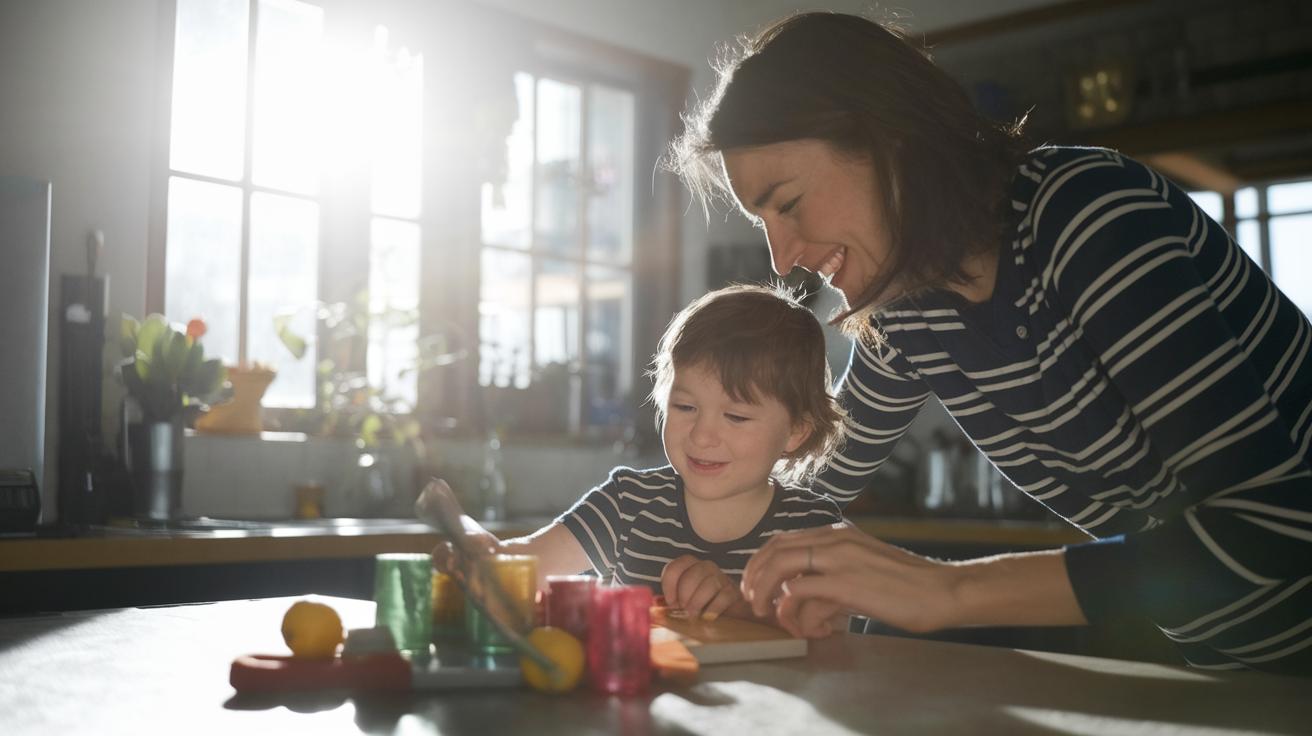
Natural consequences help kids build self-discipline while deepening the trust between parents and children. When children experience real outcomes, like feeling hungry because they skipped a meal, they slowly learn to trust their own decisions. I like to use gentle language and "I statements" to keep things warm and caring, such as saying, "I feel worried when I see you skip eating because I care about your well-being."
This approach also helps little ones understand how their actions connect to their feelings. They notice the pride that comes with finishing a chore or the discomfort from not seeing a task through. By clearly linking actions to outcomes, children learn to be responsible and feel a closer, more caring bond with those around them.
Real-World Home Examples of Natural Consequences
Instead of using the same examples every time, think about how everyday outcomes can be tweaked to match your child’s unique personality. When a child forgets to put on warm clothes on a chilly morning, they feel the cold and learn firsthand why being prepared really counts.
Picture this: one child stayed cold until they finally picked up their coziest jacket on a frosty day. That surprising moment became a gentle lesson in taking care of oneself.
When kids see that their choices lead to real, tangible results, they slowly learn to be responsible. Over time, small habits add up, and a bit of self-discipline grows to support their independence, like when a child delays cleaning up and then finds that a messy room cuts into their playtime later.
- When a child skips warm clothes on a cool morning, they end up feeling uncomfortable.
- When a child ignores their bedtime routine, the morning can feel tougher.
- When a child puts off chores, they might have less free time later.
- When a child skips helping with family meal prep, they miss a chance to pitch in.
- When a child leaves toys scattered, they might have trouble finding a favorite toy.
- When a child forgets their school supplies on busy mornings, their day can become more challenging.
Tweaking natural consequences to fit your child’s temperament can really boost their learning. Parents can offer gentle, everyday reminders that respect each child’s unique needs, helping them build confidence and a sense of responsibility over time.
Step-by-Step Guide to Implementing Natural Feedback
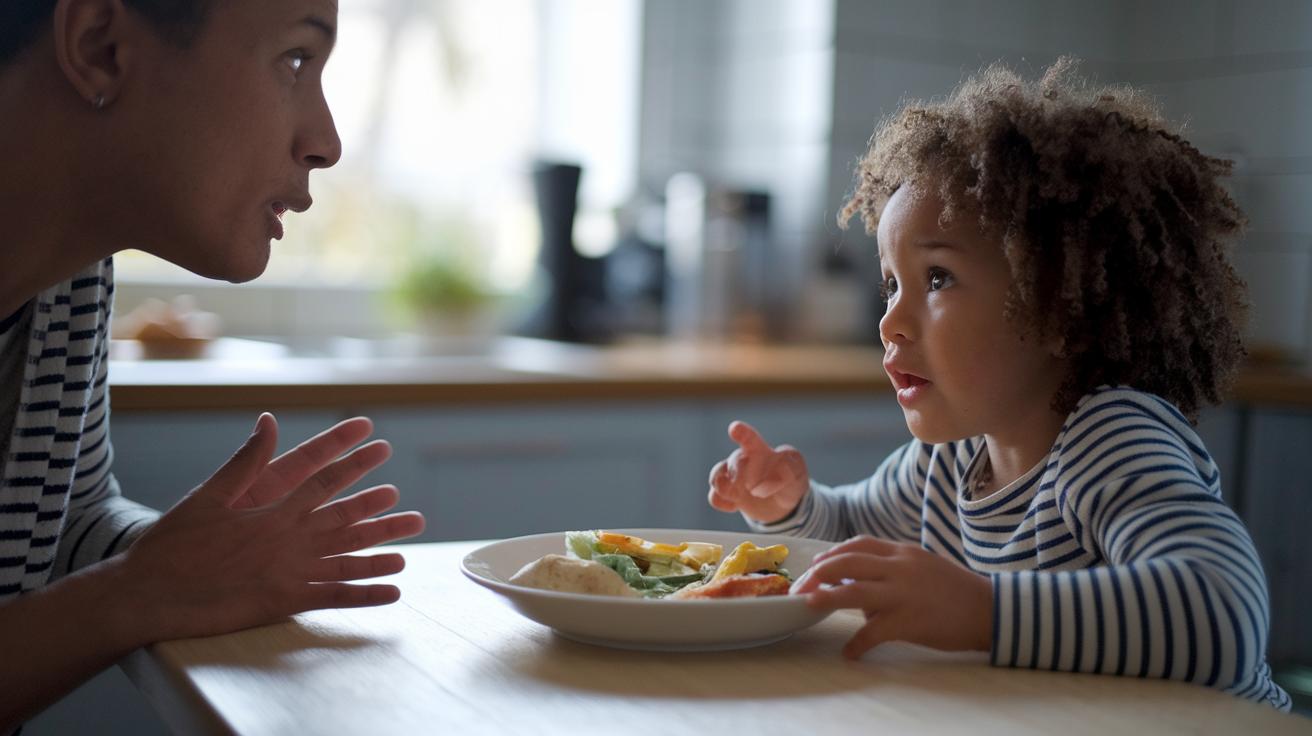
When you let everyday events speak for themselves, kids start to see how actions lead to real-world results. It’s a gentle way to help them understand cause and effect, all through safe, natural experiences.
-
First, notice the behavior and its real outcome.
Imagine a child skipping a snack and then feeling real hunger. Spot this link without stepping in too much. -
Next, use kind “I statements” when you talk.
For example, you might say, “I noticed you missed your snack and felt worried when you said you were hungry.” This kind of chat opens doors to honest talk. -
Then, allow the child to experience the natural result safely.
Let them feel the effect, like the urge to eat when hunger kicks in, without any sudden corrections or punishments. -
Finally, take time to reflect together.
After the outcome, ask something like, “How did it feel to be hungry?” This little conversation helps connect feelings with actions.
These simple steps create a space where natural feedback guides learning. Every calm, respectful talk makes each experience a small, important step towards growing responsibility.
Addressing Common Challenges with Natural Consequences
It can be really tough for parents when shifting to natural consequences. Old habits die hard, and sometimes kids just don’t react the way we hope when they face the real deal. Imagine a child feeling upset at school simply because missing out on finishing a task shows its natural results, it’s hard on both sides.
One neat trick is to change up how you talk about these moments. Instead of leaning into harsh punishments, try talking gently using simple “I statements.” For example, you might say, "I feel concerned when I see you upset because the outcome didn’t quite match your effort." This kind of language sets clear boundaries while still offering caring support.
Every setting might need a slightly different approach. At home, you can let small mistakes lead to natural lessons. But in busy public spaces, a calm, quiet chat can do wonders to keep things under control. Adjusting your method a bit helps kids understand the real-life effects of their choices, all while knowing they’re loved and supported.
Comparing Natural Consequences with Other Discipline Methods

Natural consequences let your child see what happens when they make a choice, without extra punishments. It feels more honest and avoids the stress that comes with strict penalties.
Natural vs. Imposed Consequences
Think about it: if a child forgets their lunch, they feel the natural buzz of hunger. On the other hand, if you take away screen time because they missed a task, it might seem like a punishment instead of a learning moment. Natural outcomes help kids connect what they do with what happens to them.
Natural vs. Logical Consequences
When natural consequences occur, they happen without your direct push. For example, if your little one skips their shoes during play, they might feel a bit chilly. Logical consequences are more about rules, like losing a privilege if a task isn’t completed. Allowing events to unfold on their own helps your child understand real-life results, while set rules can sometimes mix in extra control.
Integrating with Other Parenting Styles
Mixing natural consequences with a clear and caring parenting style can create a real balance. When you use calm words and gentle guidance along with natural feedback, you support your child’s growth. This way, they learn from the outcomes while feeling loved and understood.
In truth, finding the middle ground between letting events unfold and offering supportive structure helps build self-control, personal responsibility, and strengthens the warm bond between you and your child.
Age-Appropriate Natural Consequence Strategies
When natural outcomes match a child’s age, it’s easier for them to learn life lessons safely while still feeling independent. Every stage, from a tiny infant to a growing teen, offers real moments to learn about cause and effect in a gentle, honest way.
Infants and Toddlers
For little ones, quick feedback is key. If a baby starts chewing on a toy that isn’t safe, you can simply take it away. And when a toddler ventures out without shoes, the feeling of cold feet during a brisk walk sends a clear, natural message about dressing for the weather. These immediate results help them connect actions with outcomes effortlessly.
School-Age Children
As kids reach school age, they begin to see how their choices matter more. For instance, skipping homework might lead to missing assignments or lower grades. Moments like these show them that what they do at school or at home has a real impact, all without a heavy-handed punishment. It’s a straightforward way for them to reflect on their choices.
Teenagers
For teens, the stakes get a bit higher. Missing curfew could mean losing privileges or facing reduced independence. At this stage, natural outcomes help them understand that their decisions affect their freedom and the trust they share with family members. This balanced approach encourages a sense of responsibility and growing maturity.
Research and Evidence Supporting Natural Consequences

Research from The Melissa Institute shows that letting kids face the natural results of their actions helps them grow emotionally and build self-discipline. When children learn from the real outcomes of their choices instead of only being punished, families tend to have fewer power struggles and see better problem-solving skills emerge. Many parents notice that their children start to reflect on their actions and take responsibility, which slowly strengthens the bond between them. It’s like watching a child learn how to wrap a present, step by step, they build up their ability to handle life’s little lessons.
Experts in child development also support this approach as a smart way to guide behavior. For example, professionals such as Elise Suna, M.S.Ed., LMFT, say that using natural consequences can ease household tension and lead to more open, positive conversations between parents and kids. This real-world learning helps build lasting confidence and a better sense of responsibility in children, making it a nurturing way to grow together.
Final Words
In the action, this post walked through the basics of natural consequences parenting, sharing simple definitions and clear home examples. We saw how letting real outcomes shape behavior helps kids learn self-reflection and build trust. Practical steps and comparisons with other methods showed real-life tips for setting up nurturing routines. Research and age-appropriate advice reinforce that small, genuine outcomes can guide healthy habits over time. Embrace natural consequences parenting's gentle approach, it’s a heartfelt way to support growth and everyday learning.
FAQ
What does natural consequences parenting reddit mean?
Natural consequences parenting on Reddit means parents discuss letting real outcomes happen naturally, such as missed snacks causing hunger, which builds self-accountability rather than using punishment.
What are some natural consequences examples in parenting?
Natural consequences examples include forgetting a lunch leading to hunger, not wearing shoes causing cold feet, or unfinished homework resulting in lower grades, offering clear lessons on actions and outcomes.
What is natural consequences parenting book about?
A natural consequences parenting book explains how allowing kids to face real outcomes helps them learn responsibility. It offers practical tips, relatable stories, and supportive guidance for caregivers.
What does natural consequences parenting psychology involve?
Natural consequences parenting psychology studies how letting children experience the direct outcomes of their actions encourages self-reflection and reduces power struggles, promoting emotional growth and understanding.
What is natural consequences parenting PDF?
A natural consequences parenting PDF is a downloadable guide that outlines strategies and real-life examples for using natural outcomes to help children learn from their actions in a supportive way.
What does natural consequences parenting for teens mean?
Natural consequences parenting for teens means giving young people the space to face actual results, like missed curfews leading to fewer privileges, which helps build responsibility and mature decision-making.
What are logical consequences examples?
Logical consequences examples show results directly linked to behavior, such as losing screen time after excessive use, teaching kids that their actions have practical, understandable outcomes.
What is the 7 7 7 rule in parenting?
The 7 7 7 rule in parenting means pausing for seven seconds before responding, allowing seven minutes of reflection for each year of a child’s age, and using seven fresh strategies to ease conflicts.
What is a natural consequence for hitting in parenting?
A natural consequence for hitting in parenting might be experiencing reduced playtime with friends, showing a child that aggressive behavior naturally leads to fewer positive social interactions.
What is an example of a natural consequence?
An example of a natural consequence is a child forgetting their lunch and then feeling hungry at school, which gently teaches them to remember their bag next time.
What is the 70 30 rule in parenting?
The 70 30 rule in parenting suggests offering kids 70% freedom to choose while the parent provides 30% guidance, helping children learn decision-making balanced with supportive structure.


