
Have you ever noticed that letting kids have a bit more freedom can actually bring a family closer together? Indulgent parenting, giving kids plenty of love with fewer limits, helps them explore life feeling truly cherished. Even simple choices, like picking out a fun outfit, become special moments that make them feel loved. Still, some parents wonder if gently meeting every want might make it harder for kids to learn about sharing and keeping boundaries. In a world where care and freedom come together, we see a beautiful balance that helps nurture happy, creative childhoods.
Indulgent Parenting Defined
Indulgent parenting is a style where moms and dads fill their kids' lives with warmth and love, often with very few rules. It’s all about creating a caring space where children can freely explore and express themselves.
Imagine a parent who happily lets their little one choose their own outfit each day. In this approach, love and affection take center stage as the secret ingredients for a joyful childhood.
Many parents using this style sometimes feel guilty about setting limits. They worry that saying no might take away their child's happiness, so they try to show their love through gifts and complete freedom. Picture a scenario where a child asks for one more treat and the parent hesitates to refuse, believing that every little request is a way to express love.
While such freedom can spark creativity and build self-confidence, it may also make it harder for kids to follow directions and learn self-control. Without clear boundaries, children might struggle with sharing and understanding others' feelings, important skills for getting along with friends and thriving later on.
Behavioral Effects of Indulgent Parenting
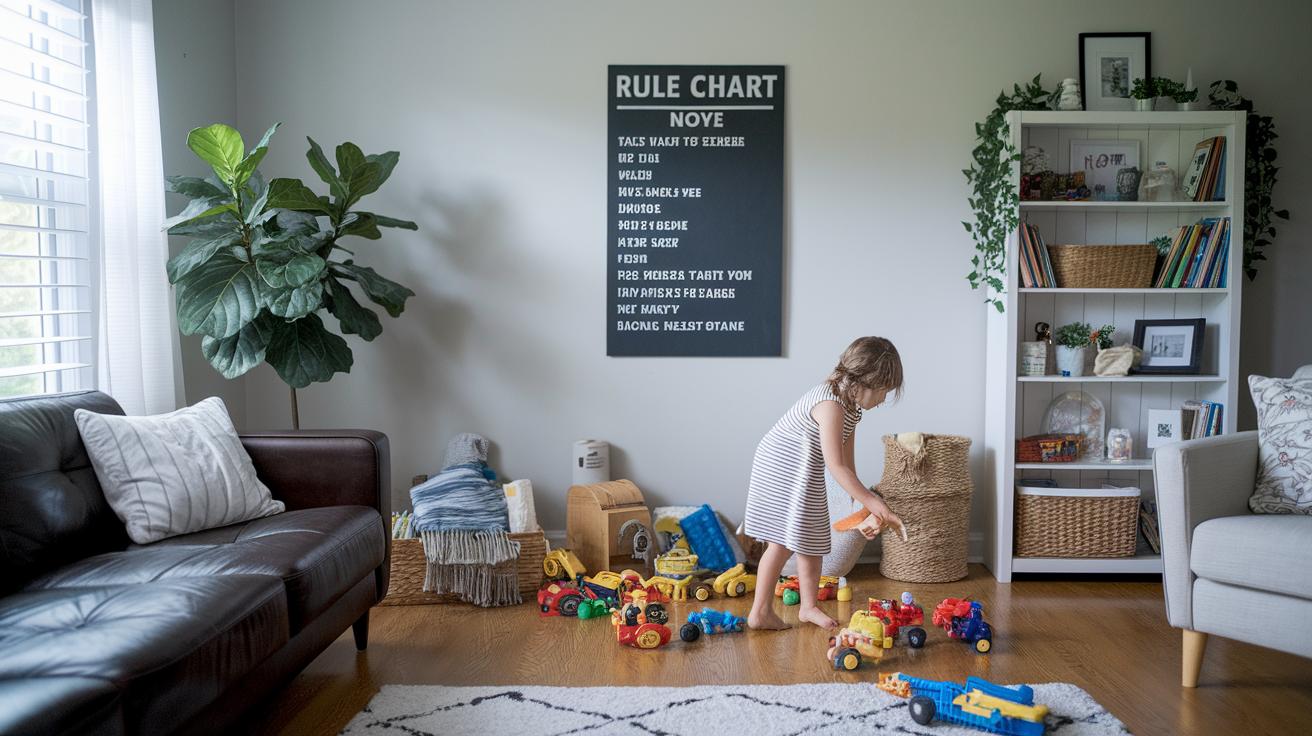
Kids growing up with lots of freedom but few rules often find it hard to control themselves. When there aren’t clear expectations at home, even simple tasks, like tidying up after play, can feel overwhelming. Imagine a little one who doesn’t want to clean up because they’ve never learned that rules can help the day run smoothly. Their extra freedom can make it tricky to know the right way to act when limits pop up.
Not having firm boundaries can also make it tough for them to get along with others. Without regular chances to practice sharing and taking turns, some kids may struggle to build fair friendships. Picture a child who always insists on having things their way during playdates, not considering what others feel. This kind of behavior can hold back their ability to understand empathy and learn about compromise. Over time, these habits shape how they form bonds with people around them.
As they grow older, these patterns might even show up at work. They might resist teamwork or find it hard to follow simple guidelines in a group setting. Sometimes, they expect special treatment instead of accepting feedback and working with their peers. A long history of minimal structure can leave someone unprepared for roles that value clear routines and shared goals. This shows that while a loving home is important, having clear expectations also helps kids learn how to thrive in a more organized world.
Indulgent Parenting vs Other Parenting Styles
Raising kids is a unique adventure, and every family finds its own way to do it. Indulgent parenting is all about showering love without too many rules, and that makes it really different from other methods. Let’s take a look at each style to see how you might blend care with a bit of structure at home.
| Parenting Style | Discipline Approach | Emotional Tone |
|---|---|---|
| Indulgent | Few limits, lots of freedom | Warm and welcoming |
| Authoritative | A mix of expectations and clear boundaries | Consistent and supportive |
| Authoritarian | Strict rules with little room for flexibility | Firm and unyielding |
Seeing these styles side by side shows us that no single method works for every family. With indulgent parenting, the emphasis is on letting your child explore and express themselves freely, wrapped in constant love. In contrast, the authoritative method thoughtfully combines kind guidance with clear rules, helping kids grow in independence while learning why boundaries matter. And then there’s the authoritarian approach, which focuses on strict discipline and may encourage rules to be followed out of obligation rather than understanding.
Every approach has its own strengths and challenges. As you navigate your parenting journey, you might notice that certain parts of each style resonate with your own values and your child’s personality. Perhaps you’ll find that a gentle structure mixed with warmth creates the perfect balance for your family. Ultimately, mixing a little discipline with lots of love can help strengthen your bond and set up your child for a confident and caring future.
Real-Life Cases of Overindulgence
Sometimes, even a loving home can have too many treats if clear boundaries are missing. Recent studies in child development show that when kids stick to a routine, they build better self-control. It turns out, just feeling warm and loved isn’t always enough.
Think about the Hollywood star’s kids. Their free-for-all environment led to fun but messy wall scribbles. Research even suggests that without structure, kids might feel more stressed. For example, an eight-year-old who skips chores and stays up too late might later find it hard to learn new rules.
Research and Expert Insights on Indulgent Parenting
Experts say that being too generous without clear limits can be risky for little ones. Kids raised in homes without enough structure might start to think they're extra special and deserve whatever they want. This can also make it hard for them to learn how to share or compromise when they face new challenges. Research shows that growing up without clear boundaries may make it tougher for kids to form real, balanced friendships later on.
So, many experts advise pairing warm, loving care with clear, consistent rules. They recommend setting up regular routines that give your day some structure while still feeling cozy and nurturing. By creating age-appropriate boundaries and gently explaining why these rules matter, you help your child build resilience and learn healthy ways to connect with others throughout life.
Balancing Warmth and Boundaries in Indulgent Parenting
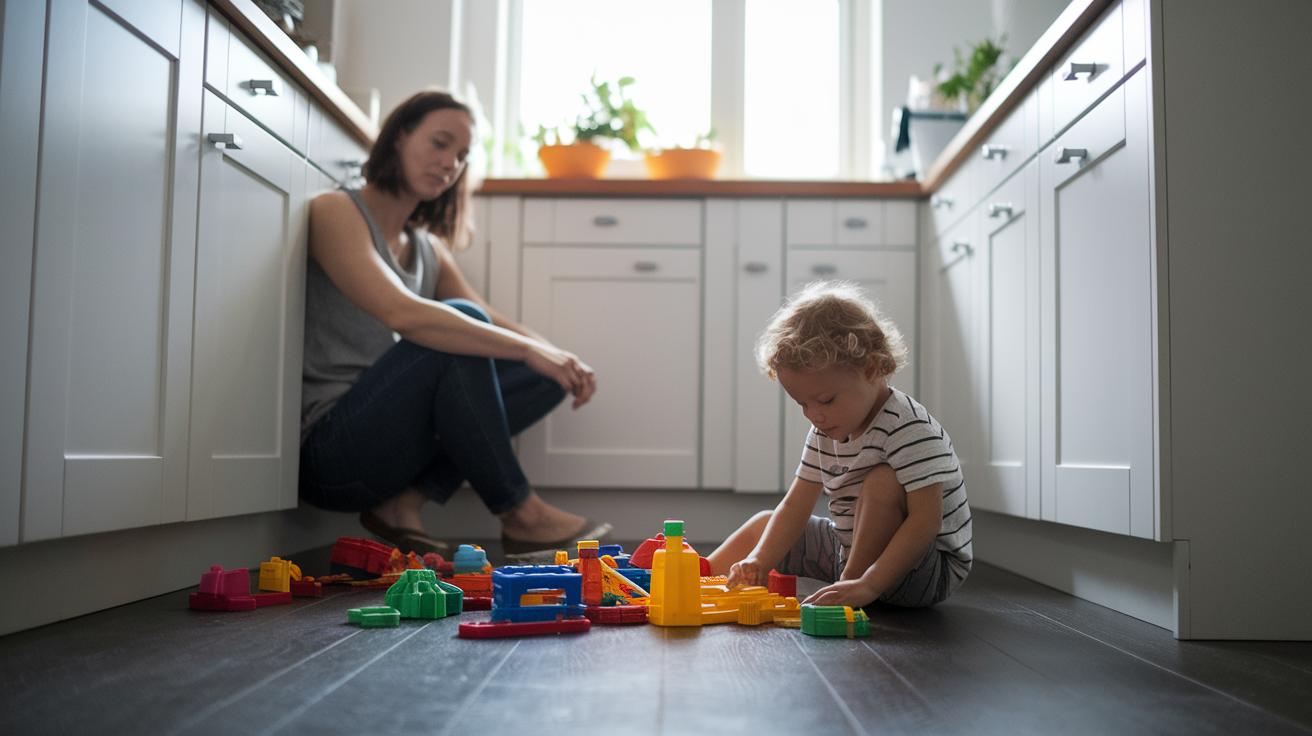
Everyday routines give little ones a clear picture of what to expect, and that sense of order feels really comforting. When you stick to regular meal times, play sessions, and bedtimes, your child starts to feel safe and secure. Picture this: a fun morning routine where your child tidies up their toys before breakfast. It's a light-hearted way to add a bit of structure, almost like playing a game that builds self-discipline over time.
It all comes down to gentle, consistent guidance. Imagine kindly reminding your child that a quick tidy-up after play will lead to another moment of fun soon. Instead of sudden punishments, you offer calm explanations that help them understand why a rule is in place. If a rule isn’t followed, a small consequence, like a little less screen time, teaches them a simple lesson in cause and effect. In the end, you're not taking away their joy; you're showing them that routines can make life smoother and more enjoyable for everyone.
Final Words
In the action of exploring indulgent parenting, we defined its core traits and shared real-world cases that show both its creative boost and pitfalls in self-control. We compared this style with other approaches and highlighted expert insights, all while offering practical ways to mix warmth with consistent boundaries. This guide reminds you that finding balance can make a big difference in daily care and help your child grow with confidence. Remember, a little structure goes a long way in creating a nurturing environment for your little one.
FAQ
What is indulgent parenting?
The term indulgent parenting means a style where caregivers offer lots of love and little discipline. Parents avoid strict rules, often letting children set their own limits.
What are some common examples, characteristics, and effects of indulgent parenting?
Common examples include frequent gift-giving and minimal rule-setting. This style can promote creativity and free spirit but often leads to poor self-control and difficulty following directions.
What do children of indulgent parents tend to be like?
Children raised in an indulgent environment usually display creativity and confidence. They may, however, struggle with self-discipline, sharing, and forming clear boundaries in their daily lives.
What are the 4 styles of parenting?
The four styles typically include indulgent (permissive), authoritative (balanced warmth with clear rules), authoritarian (strict rules with little warmth), and neglectful (uninvolved caregiving). Each style affects a child’s development in unique ways.
What is the 7 7 7 rule parenting?
The 7 7 7 rule suggests setting clear, consistent boundaries and routines over a weekly cycle. This approach helps mix fun activities with structure, giving kids both freedom and clear limits.


