Advice
How I Survived Six Flights With My Baby: 10 Practical Tips for Flying With Infants
By Anna Watts
November 13, 2025
Field Notes
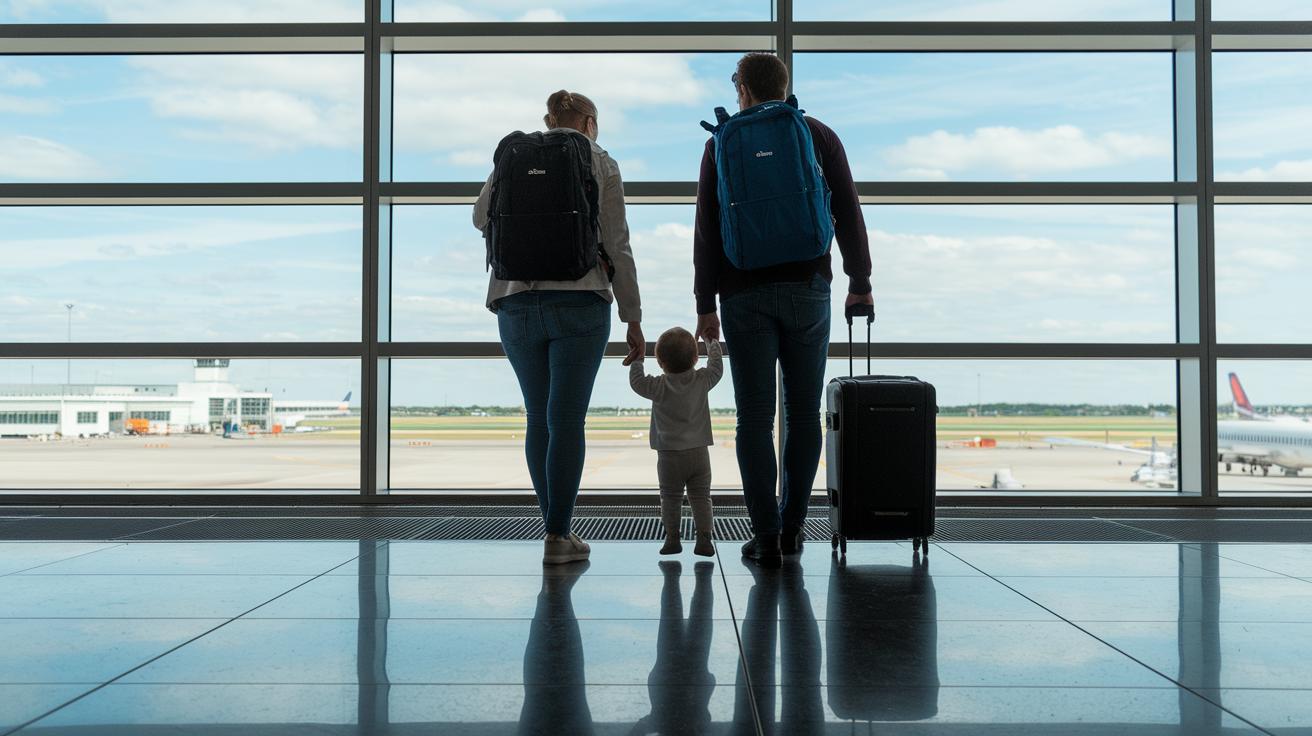
After six flights with a baby at 4, 5, and 6 months, here are the real-world tips that actually worked. You can’t control temperament—if they’re easy, lucky you. Babywear instead of hauling a stroller unless you need one at your destination. Use 'baby privilege': preboard, ask if you can cut security, and request an empty row. Nurse or feed on takeoff and landing to ease ear pressure; a pacifier helps. Keep naps consistent to fight jet lag. If they won’t sleep, walk to the back near the engines for white noise. Pack diapers, extra clothes, and plastic bags. Use mid-cabin lavs for larger changing tables, tag-team with your partner so each of you gets a break, and don’t panic if the baby cries—most people are understanding.
Flying With an Infant: My Top 10 Tips After Six Flights

After six flights with a baby at 4-6 months, here’s what actually worked. You can’t control temperament, if the baby’s calm you get lucky. Babywear rather than hauling a stroller unless you truly need it at your destination. Use 'baby privilege': preboard when allowed, politely ask to cut security lines, and check with attendants about empty rows. Nurse or feed on takeoff and landing to help with ear pressure; a pacifier works too. Keep nap schedules steady to beat jet lag. If sleep won’t come, walk the back of the plane near the engines for space and white-noise hush. Pack diapers, spare clothes, and plastic bags for disasters. Use middle lavatories with bigger changing tables and tag-team with your partner for breaks. Babies cry, most passengers are kinder than the internet.
Headphones, White Noise, and Cabin Courtesy
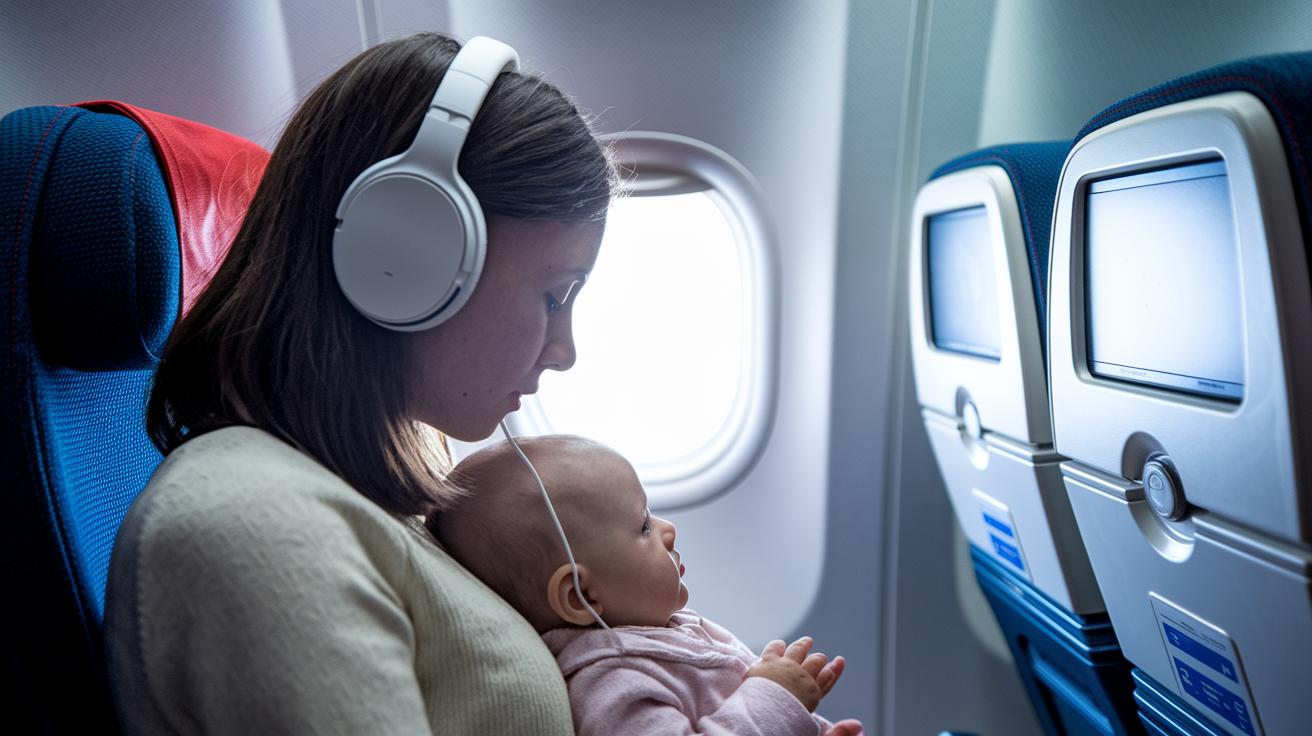
Not every passenger will be bothered by a crying baby, many will simply put on headphones and carry on. Bring noise-cancelling cans or reliable earbuds for you and your partner so you can stay calmer and even play soothing music for the baby. Download white-noise and lullaby playlists offline in case inflight Wi‑Fi is flaky. If someone seems annoyed, a short apologetic smile or quick explanation usually defuses tension. Small gestures and preparedness go a long way; headphones make travel more pleasant for everyone and a calm parent frequently equals a calmer cabin.
Toys vs People-Watching: Pack Smart

A few quiet toys are useful, but many infants prefer people-watching to rattles. Rotate one or two new items, soft board books, a textured teether, or a quiet crinkle book, to recapture attention. Avoid noisy or flashing toys that irritate other travelers. Use clip-on toys and activity loops so you don’t lose favorites down the aisle. Sometimes simple peek-a-boo, a mirror, or letting them observe the aisle is the best entertainment. Keep these items handy in a carry or carrier pocket so you can swap them quickly without digging through a bag midair.
To Buy a Seat or Not: Lap Infant vs Own Seat

Buying a separate seat for an infant is a personal trade-off between safety and convenience. Many parents lap-hold for short flights because babies rarely stay buckled in a regular seat. But if you want added crash protection or a stable sleep surface, an FAA-approved car seat is worth considering for long flights, frequent flyers, or connecting itineraries. Alternatives like the CARES harness provide more restraint for older infants. Check airline policies, measure your aircraft seat, and weigh cost against peace of mind, sometimes the extra seat is the sleep investment that pays off.
Babywearing vs Stroller: What to Gate-Check

If you hate extra gear, babywearing will change airport life. A soft carrier or structured wrap keeps hands free, simplifies security, and soothes the baby close to you. If you need a stroller at your destination, especially with older kids, a lightweight travel stroller that gates well can be worth the fuss. Consider renting at your destination to avoid baggage fees. Note airline rules: crews may ask you to remove carriers during taxi, takeoff, or landing, so be ready to detach. Balance your comfort, destination needs, and how much stuff you’re willing to manage.
Layovers, Time Zones, and International Travel Tips

Counting layovers can mean you’ve technically visited several countries in one trip, and that complicates logistics. Pack extra diapers, formula or pump supplies, copies of passports, and any required baby documentation like birth certificates for certain borders. Keep the baby’s nap schedule as steady as you can while traveling and gently shift it to the local time once you land: daylight exposure and short naps help reset their clock. Use layovers to walk, change, and feed so the next leg goes smoother. Plan longer connections when possible and check customs rules for infants, small prep prevents big stress.