
Have you ever wondered if your baby's bedding might be making their crib less safe? It might seem small, but the right bedding isn’t just about comfort, it’s about protecting your little one.
This guide will help you pick crib sheets that are firm and snug, fitting the mattress like a loving hug, with no gaps to worry about. When the bedding is just right and made from a fabric that lets air through (so your baby stays cool and comfy), both you and your baby can rest easy.
We break down easy steps for measuring the mattress, choosing the best fabric, and keeping unsafe extras out. Let’s work together to make sure safety comes first.
Safe Crib Bedding Essentials: Core Materials and Fit for Baby Safety
When it comes to your little one, safety is always the top priority. Always stick with firm, fitted crib sheets that hug the mattress tightly. It’s like giving your baby a secure, cozy cocoon, leaving no room for any loose spots that could be risky.
Extra fillers like soft toys or pretty extras might seem fun, but they can actually put your baby in danger. The goal is to keep a safe barrier between your baby’s skin and the mattress. Think of it as creating a snug wrap that lets your baby sleep soundly.
- Use only firm, tightly fitted sheets; avoid any loose bedding.
- Check that the crib mattress measures 132 cm × 71 cm to prevent even a tiny gap.
- Pick breathable fabrics that let fresh air in and help keep your baby at the right temperature.
- Choose durable materials that stay in place even after many washes.
Breathable, firm sheets really make all the difference. They protect your baby by preventing overheating and entrapment, much like a loving, steady hug that stays secure no matter how much they move. This straightforward approach is backed by trusted safety guidelines, ensuring every little detail works together to keep your baby safe.
Measuring and Sizing: Ensuring Precise Crib Sheet Fit
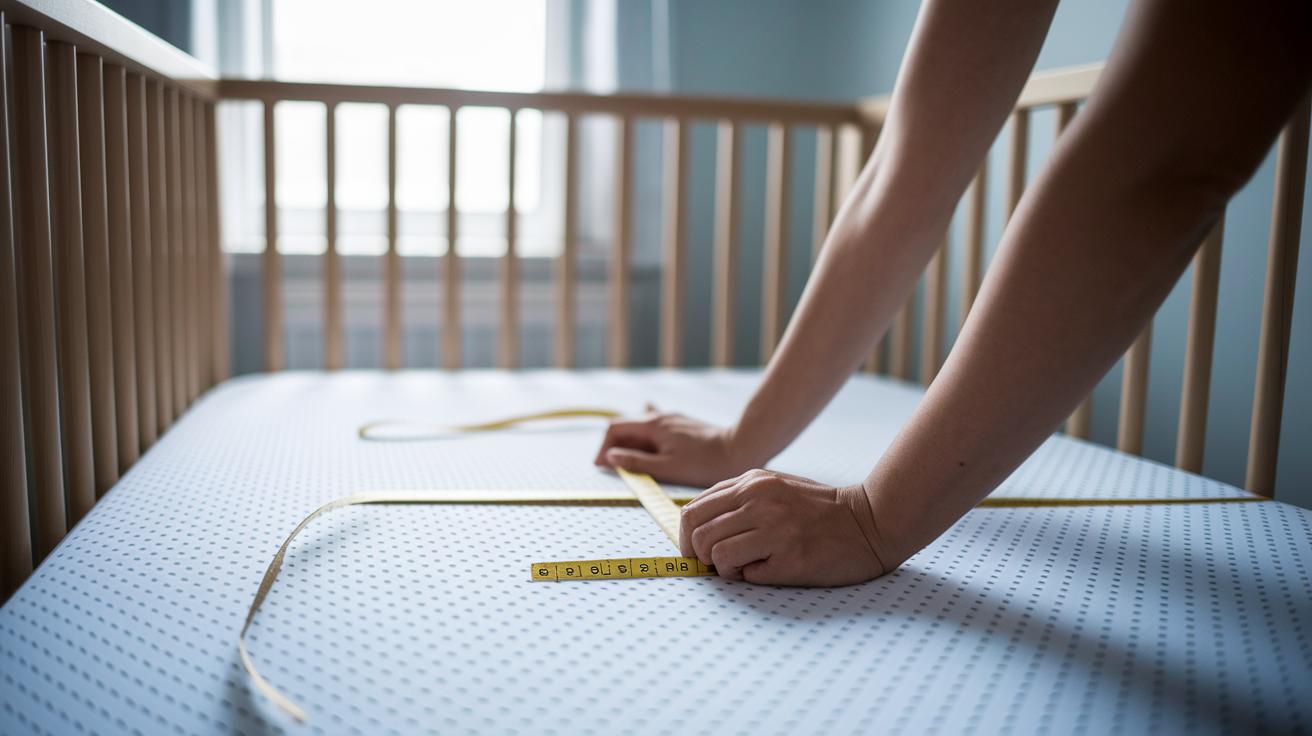
Getting your crib sheet the right size is so important for your baby's safety. A loose sheet can leave gaps, and one that's too tight may not move when you change a diaper. Even a small difference, think half an inch, can matter quite a lot.
First, measure the crib mattress length (about 132 cm) to make sure the sheet covers it completely. Next, check the width, usually around 71 cm, so the fabric hugs the mattress without any extra bunching up. Then, measure the depth of the mattress and pad together (typically between 8 and 12 cm) to ensure the elastic edges grab on securely.
After these steps, give the sheet a gentle tug to see if it holds firm during baby moves and diaper changes. It’s a small extra step that goes a long way in keeping your little one safe.
Always re-check your measurements each time you set up the crib. It only takes a few extra moments, but it means knowing your baby is snug and secure. For more handy tips on getting everything just right, visit choosing the right crib for your nursery.
Selecting Non-Toxic and Hypoallergenic Fabrics for Infant Comfort
Choosing fabrics without chemicals really matters because they help protect your baby's delicate skin from irritation. When you're picking out items for your little one, opting for 100% organic cotton or bamboo (with GOTS certification, which means strict eco-friendly standards) is a smart move. It’s like giving your baby a gentle, secure hug every time they settle in. These organic fabrics let your baby breathe easily, lowering the chance of overheating while keeping common allergens away. Imagine wrapping your baby in something as soft as a whisper yet durable enough to stand up to countless washes, it really feels like a win-win.
- GOTS Certification: Fabrics that are GOTS certified mean no harmful chemicals were used.
- Hypoallergenic Weave: These materials help keep dust-mite buildup and allergens at bay.
- Durability: Natural fibers such as organic cotton hold up nicely, even after many washes.
- Moisture-Wicking: They draw moisture away so your baby stays cool and comfortable.
When you're shopping for crib bedding, take a moment to check the care labels and certifications. Look for clear mentions of organic or chemical-free methods. It might seem like a small detail, but it can prevent skin irritations and ensure your baby's sleep space stays safe and comfy. By keeping an eye out for these details, you're choosing fabrics that truly support both health and comfort.
Maintenance and Hygiene: Care Protocols for Safe Baby Bedding
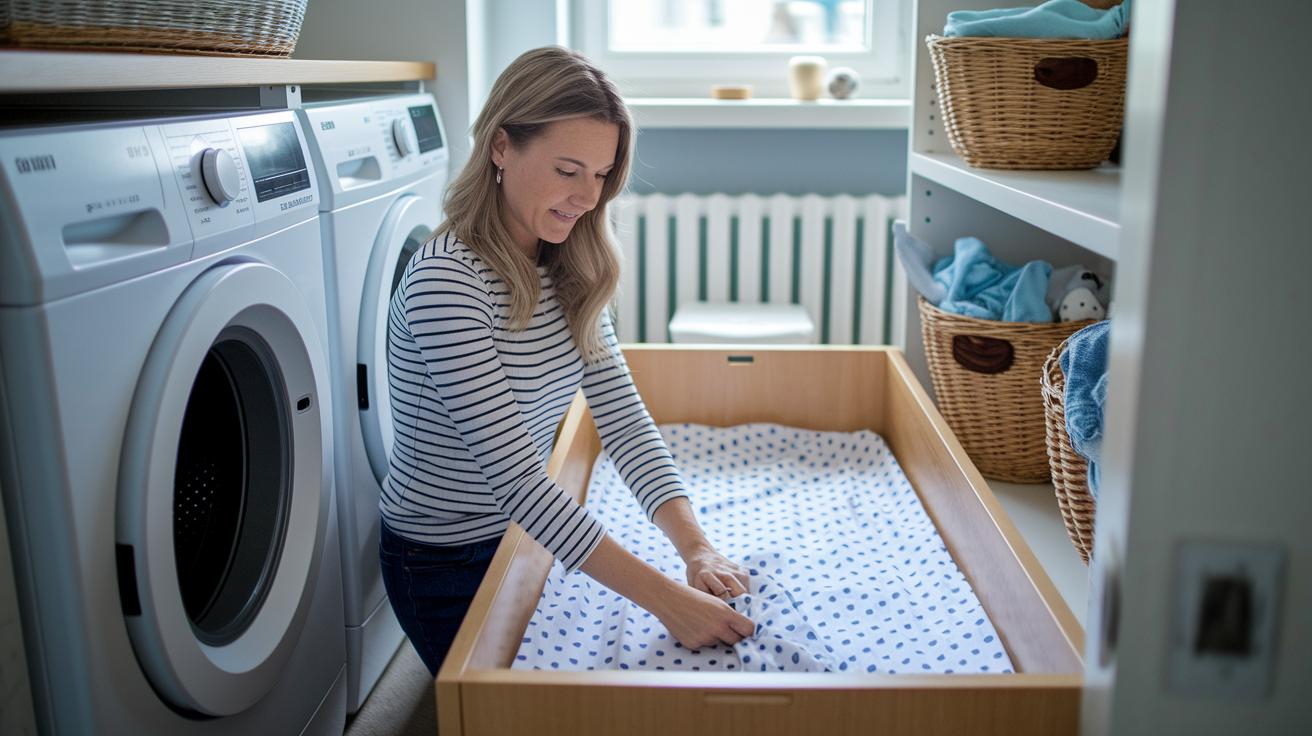
Keeping your baby’s bedding clean isn’t just about comfort, it’s about safety too. Washing crib sheets once a week in warm water at 60 °C (that’s really hot water) helps wash away allergens and germs so your little one can sleep in a cozy, clean space.
- Use a gentle, fragrance-free detergent. This avoids any unwanted chemicals that might irritate your baby’s skin.
- Tuck in elastic edges before washing. This little step helps prevent snags and keeps the bedding fitting snugly.
- Always choose hot water (60 °C) to make sure every wash really sanitizes the bedding.
- After each wash, check the seams and elastic. If you notice any stretching or damage, it’s best to replace the bedding right away.
Taking a few minutes to inspect and refresh crib bedding not only helps your baby rest safely but can also extend the life of the fabric. For more helpful ideas, visit the safety essentials for baby nursery at BabyHalfOff. It’s a simple routine that brings peace of mind and a little extra comfort with every nap.
Evaluating Design Features: Avoiding Suffocation and Overheating Hazards
When it comes to crib bedding, good airflow is a must. A breathable fabric not only keeps your little one cozy but also helps make sure they don’t get too hot. It’s like wrapping your baby in a gentle, cool hug that looks great and feels safe.
Look for covers with built-in airflow features such as:
- Mesh panels or moisture-wicking weaves (these fabrics pull moisture away and keep air moving) that help control the temperature.
- Light-weight materials designed just for infants, making sure any extra warmth is well-managed.
And don’t forget about safety details:
- Steer clear of loose tassels, ties, or fun but risky embellishments that could pose entanglement hazards.
- Choose sheets made from anti-static textiles so they stay smoothly in place, without clinging or bunching up.
Balancing a cute look with your baby’s safety is key. While it’s tempting to pick bedding that adds charm to the nursery, every design element should also work to keep your baby safe. By choosing crib bedding with smart airflow solutions and thoughtful, hazard-free details, you create a secure and snug sleep space that doesn’t skimp on style.
Top Pediatrician-Endorsed Crib Bedding Options and Comparisons
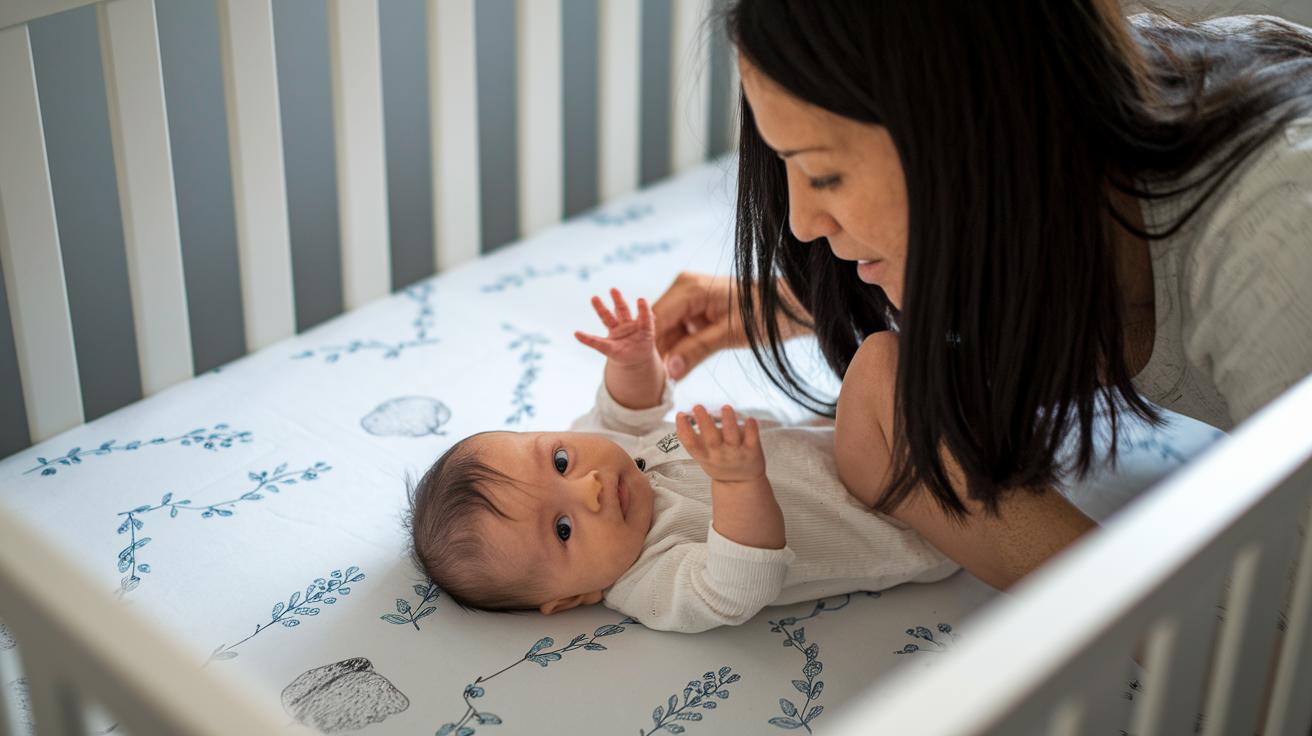
When picking crib bedding, it helps to listen to pediatricians and read feedback from other parents too. Their expert advice and real-life reviews make it easier to find bedding that keeps your baby safe and works well every day. Trusting these tips can guide you to products that truly shine in busy, everyday life.
| Product Name | Material | Best Feature |
|---|---|---|
| Twilight Collection | 100% organic cotton | Secure elastic edge, machine-washable, GOTS-certified (an organic textile certification) |
| Grizzly Fitted Set | Durable cotton | Moisture-wicking finish and rated 5.0 for breathability |
| Blithe Natural Style | Bamboo-blend | Hypoallergenic (reduces allergy risks) with built-in airflow weave, pairs with knitted blankets |
When choosing crib bedding, safety, style, and budget all play a big part. Some sets come in 3- to 10-piece bundles, and you might even find free shipping on orders over $100. Pediatricians suggest going with options that not only meet strict safety standards but also stand up to everyday use. As you compare choices, think about what real parents have to say and how the bedding fits with your nursery décor. In the end, the perfect bedding is the one that mixes cost, trusted safety features, and a look that makes your baby’s sleep space feel just right.
Final Words
In the action, safety always comes first when it comes to crib bedding. We walked through the essentials, from confirming the perfect fit that prevents gaps to choosing breathable and non-toxic fabrics that keep your little one secure. The article also covered easy care steps to maintain hygiene and highlighted design details that prevent overheating and hazards. Remember, selecting crib bedding for baby safety isn’t just about style, but about making smart choices for a peaceful, safe sleep environment. Here's to creating a nurturing space for your baby!
FAQ
How can I choose crib bedding that meets the latest safety standards?
The guide to selecting crib bedding shows you how to pick firm sheets that fit snugly and comply with current safety standards, including CPSC guidelines and safe sleep recommendations.
What should I avoid when choosing crib bedding?
The crib bedding guide advises avoiding loose bedding, soft toys, bumpers, and decorative extras to prevent gaps that could lead to risks like suffocation.
What is the safest material for crib sheets?
The safest crib sheets are made from 100% organic cotton or bamboo fabrics that meet recognized certifications, providing breathable, hypoallergenic surfaces for baby’s sleep.
How does a firm crib mattress help prevent SIDS?
A firm crib mattress reduces SIDS risk by preventing dangerous gaps and ensuring that the mattress supports a safe sleep environment according to infant safety standards.
How can I tell if a crib meets safety standards?
The crib safety check involves verifying official labels, measuring the mattress to prevent gaps, and ensuring compliance with current safety guidelines like those from the CPSC.
What are the essential crib features for newborns?
Essential crib features for newborns include a firm, correctly sized mattress with a snug fitted sheet and the exclusion of loose bedding to create a safe and secure sleep space.
What do the new safe sleep guidelines for babies recommend?
The new safe sleep guidelines recommend using firm, breathable bedding with a perfect, snug fit and removing soft items from the crib, all to keep your baby safe during sleep.


