
Ever thought that discipline might work better with a soft touch? Imagine turning a fussy moment into a chance to show care. Picture offering your toddler a choice between two snacks or stepping in calmly when there's a toy mix-up. These little moments build trust and bring your family closer.
Every small decision is like a warm ray of sunshine that helps your child feel safe and loved. In this blog, we share everyday stories and ideas that show how a gentle approach can really make a difference in raising happy, confident kids.
Gentle Parenting Examples Brighten Family Bonds
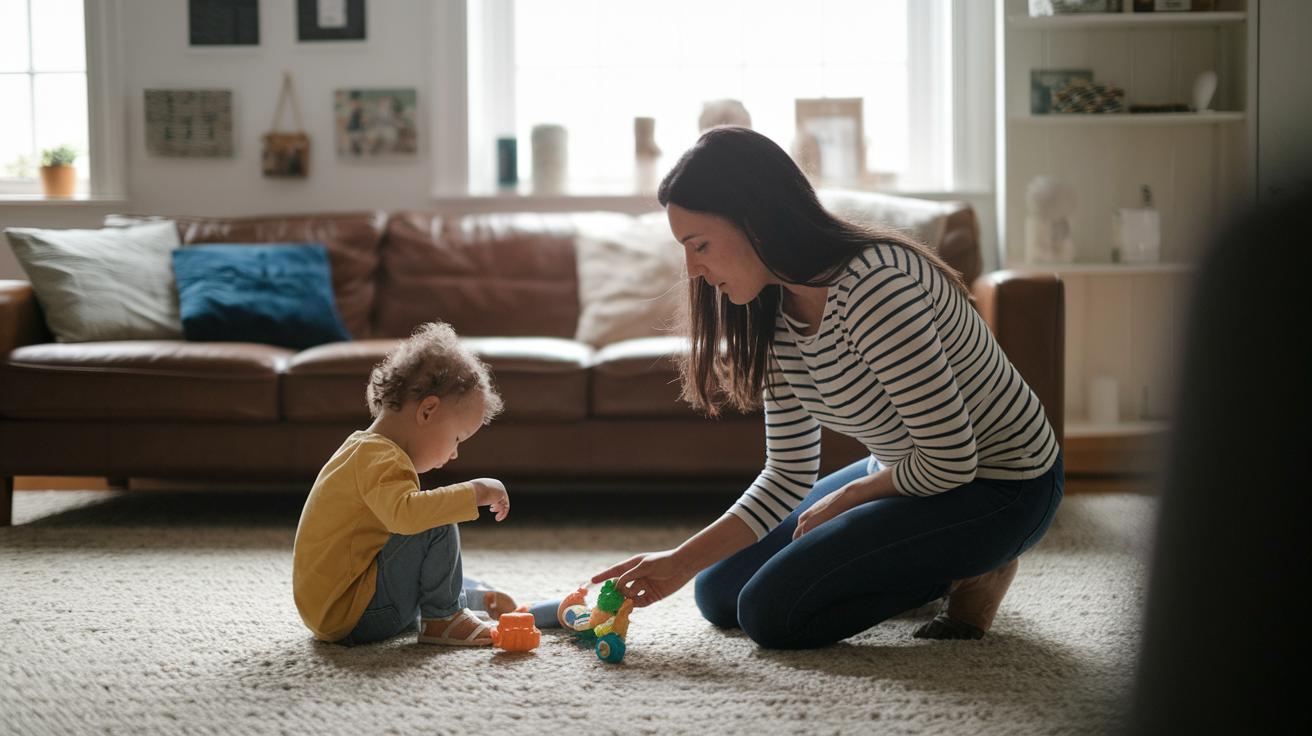
Gentle parenting is all about working together. It turns moments that could feel like discipline into chances to teach and care. When you respond with warmth and understanding instead of strict commands, your child learns to manage feelings and feel safe.
Every day offers little opportunities for gentle care. Picture a scenario where your toddler gets upset over a missing toy, you calmly suggest another fun option. At mealtime, you might let them choose between two healthy snacks, giving them a boost in decision-making. When it’s time to wind down for bed, you explain softly why a quiet routine matters, perhaps by reading a cherished story. And if a sharing issue pops up between siblings, a kind reminder about fairness can go a long way. Even during a small dispute, inviting each child to express their feelings can turn a conflict into a teamwork moment.
These warm, gentle touches build trust and strengthen family bonds. Over time, they show your little one that their feelings are important and that there’s always room for kindness in setting limits.
Gentle Parenting Examples in Discipline Scenarios
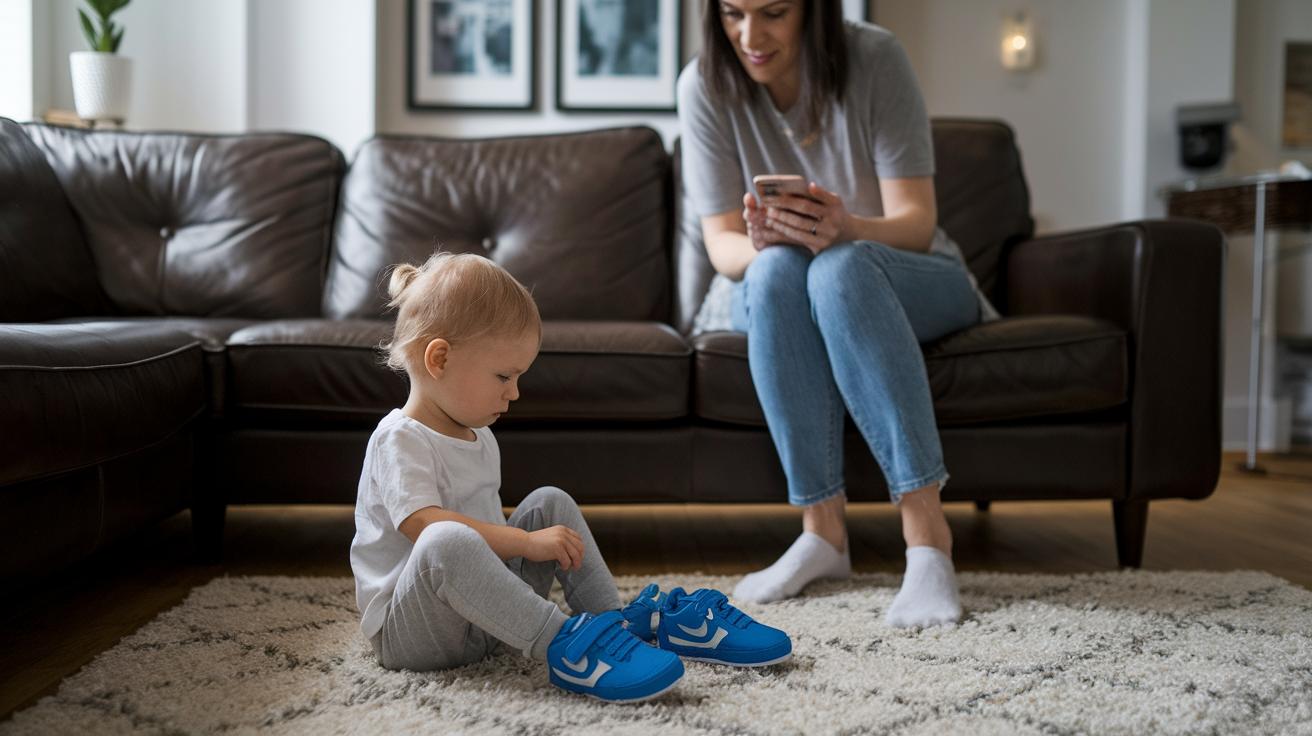
When your toddler gets upset about putting on shoes, take a moment to notice the little frown on their face. You might say, "I see you're upset about these shoes." This helps your child feel understood. Then explain why shoes matter by saying, "They keep you safe when we go outside." You can offer a simple choice like, "Do you want the blue pair or the green pair?" Giving choices shows that while decisions are important, some rules, like wearing shoes, remain steady. You might even check out the approach called Natural Consequences Parenting to gently remind your little one that every choice comes with its own set of predictable results.
If a preschooler refuses to share a favorite toy, try a similar gentle touch. Begin by saying, "I know this toy is really special to you." Next, explain the family rule by adding, "We take turns so everyone can have fun." You could suggest using a timer to show when it's their turn again. This method helps your child feel respected while learning that sharing is part of caring for each other.
When bedtime rolls around and your child pleads for "just five more minutes," start by saying softly, "I understand you don't want to sleep just yet." Then, remind them why sleep is important: "Bedtime helps you grow strong." You might offer a choice between a short story or a few quiet cuddles. This gentle approach keeps bedtime secure while giving your little one a sense of control.
Gentle Parenting Communication Examples

When talking gently to your little one, tone and validation really matter. A calm, friendly voice can make your child feel truly heard. For example, you might say, "I see you're upset. Would you like to share what's on your mind?" This invites a kind conversation without any harsh commands.
Imagine your child doesn't feel like cleaning up right away. You could say, "I know cleaning up can feel tough. Would you like some help or maybe a quick break first?" This shows you understand their feelings while gently guiding them toward the task.
During playtime, if a toy proves too challenging and frustration starts to build, try saying, "I can see you're having a hard time with this. How about we try it together for a bit?" This not only validates their feelings, but it also helps teach them how to work through challenges with a little teamwork.
At mealtime, if your child seems unsure about trying something new, you might offer, "I see you're feeling a bit unsure about this food. Would you like to choose between carrot sticks or apple slices today?" This gives them a sense of control while introducing new tastes in a comforting way.
When siblings have a disagreement, you could gently say, "I notice both of you are upset. How about we talk about taking turns with the toy?" This kind of conversation helps ease tensions and encourages a respectful way of sharing.
Gentle Parenting Examples Fostering Child Self-Regulation

Self-regulation helps our little ones manage their feelings day by day. When your child learns to name their emotions and practice calm techniques, it builds their confidence and independence. Gentle parenting encourages you to pause, notice these feelings, and respond with patience. It’s all about guiding kids to handle frustration, share their thoughts, and make choices that feel right to them.
| Technique | Age Range | Steps |
|---|---|---|
| Emotion Naming | 2–5 years | Notice feeling → Name it → Acknowledge it → Suggest a way to cope |
| Deep Breathing | 3–7 years | Breathe in (count to 3) → Breathe out (count to 3) → Repeat three times |
| Problem-Solving Pause | 4–8 years | Pause activity → Take a breath → Talk about options → Choose the next step |
Every child is special in their own way, and you might find that some techniques work better than others depending on your little one’s personality. Maybe your child loves talking about their feelings, so emotion naming comes naturally. Others might need a bit more time to settle into deep breathing. It can work wonders to try these techniques during calm moments, like during playtime or right before nap time, so they become a normal part of your day.
When you adjust each method to match your child's comfort level, you're helping them feel more in control. It’s about partnering with them, gently guiding their understanding of emotions while honoring their unique pace. Isn’t it lovely when a quiet moment paves the way for big, confident steps in handling life’s ups and downs?
Gentle Parenting Examples During Daily Routines
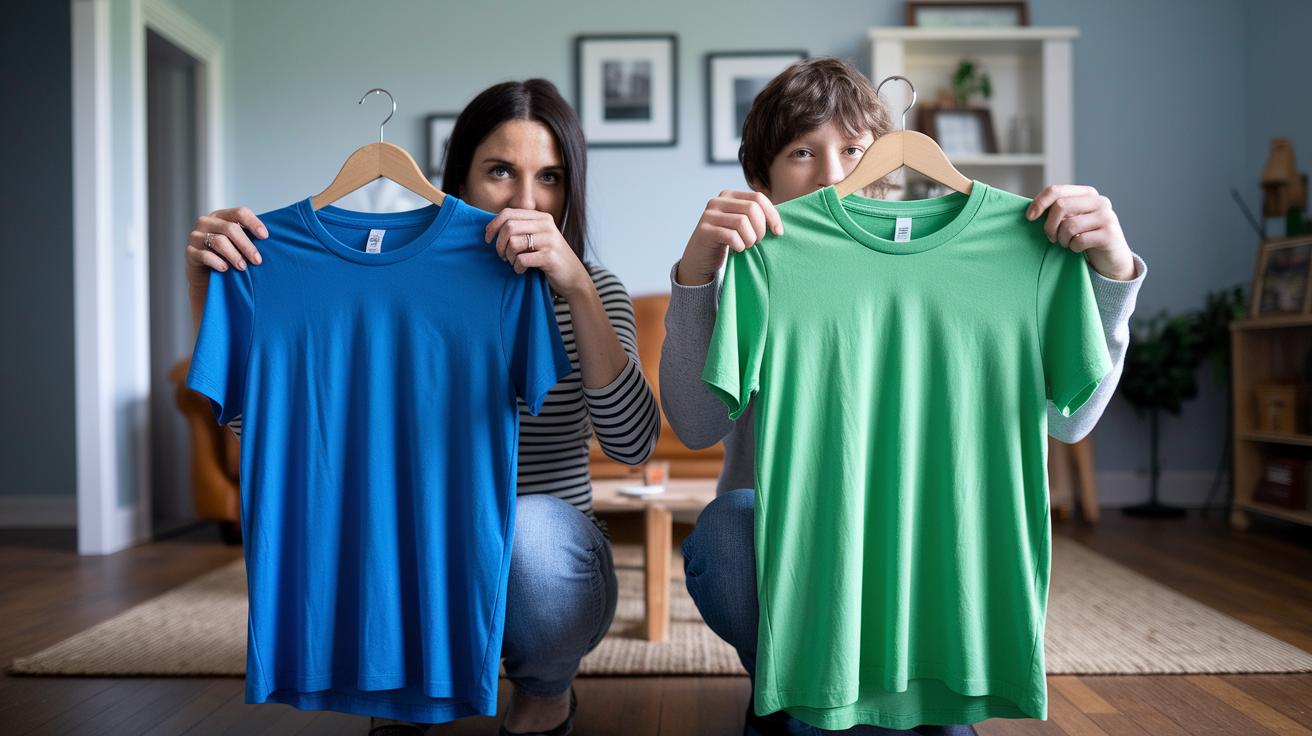
Begin your day by offering your child a simple choice that makes them feel important, like asking, "Would you like the blue shirt or the green one today?" This little decision boosts their confidence and shows you value their opinion.
At snack or mealtime, invite your child to help out. Ask them to set the placemat or decide between a sliced apple and a banana. This small act not only teaches helpful skills but also builds a warm connection as you work together.
When bedtime comes, share a story and then count down together, "Three, two, one, time for sleep." This clear and gentle routine makes it easier for your little one to settle down and feel secure.
Having a regular routine, whether in the morning, at mealtime, or at bedtime, creates a predictable rhythm that builds trust and security. And you can always adjust these moments to fit your family’s unique needs, ending each day with comfort and connection.
Gentle Parenting Examples for Different Age Groups
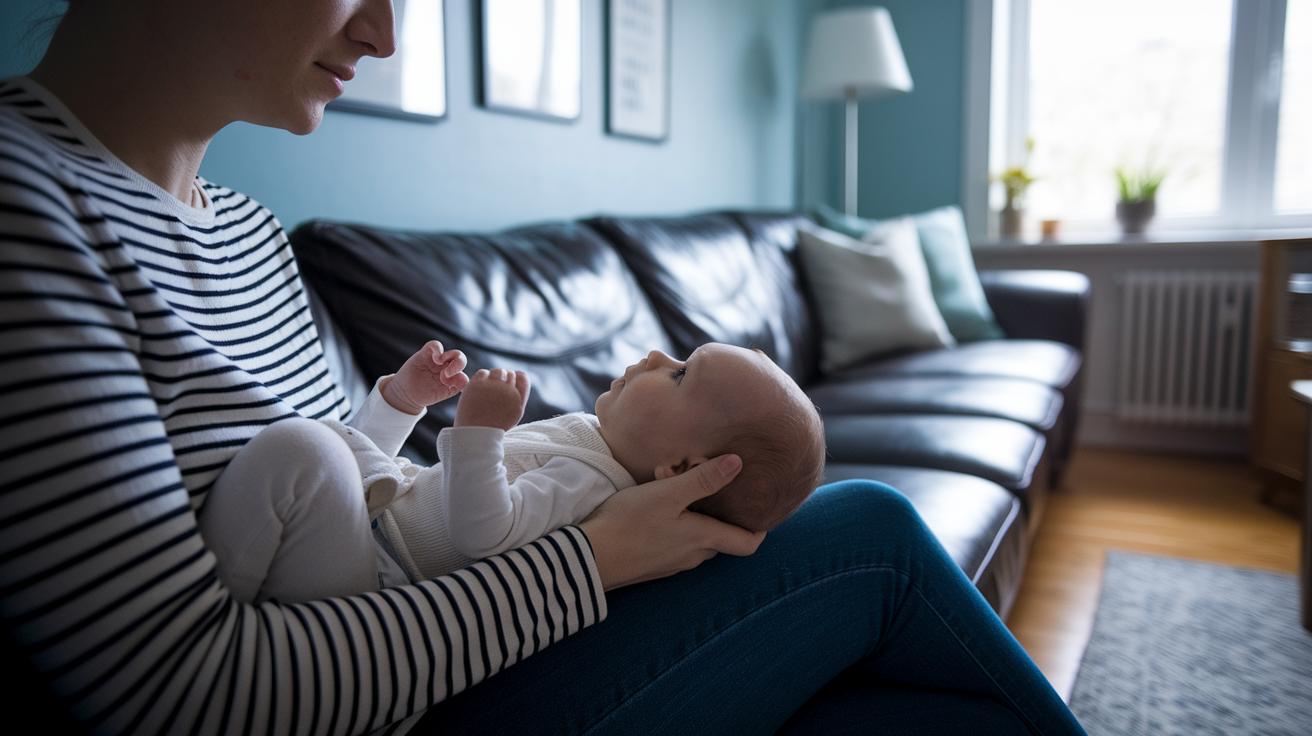
For infants, gentle care is everything. When your little one cries, try slowly rocking them while naming their feelings softly. For example, if your baby is upset, you might say, "I know you feel upset" as you rock them. A soft song paired with a tender touch can also wrap them in a warm, secure hug.
Toddlers do best when you offer clear, simple choices that help them feel in control. If a toddler is feeling frustrated, you might offer two toy options. For instance, you could ask, "Would you like the red car or the blue train?" Even small choices, like picking between two snack options, can make a big difference and help them build a sense of independence.
Preschoolers enjoy figuring out problems with a little help. When conflicts pop up, invite them to share their ideas for a solution. Say something like, "What can we do so everyone has fun?" You could also encourage them to suggest rules for sharing, which helps build respect and teamwork. This way, they learn to take turns and become more responsible.
Gentle Parenting Examples: Expert and Research Insights

Recent research, including studies published on February 12, 2024, shows that using empathy when setting limits can help kids feel secure, manage their emotions better, and develop strong social skills. When parents respond with warmth, understanding, and respect, they boost a child's natural desire to learn and connect. It turns everyday discipline into moments of bonding and growth, laying a solid foundation for both emotional balance and healthy interactions.
One family told us how emotion coaching turned tough times into teachable moments at home. They found that simply pausing to acknowledge their child’s frustration and then gently guiding them made tantrums drop by about 40%. A common scenario would go like this: they’d calmly say, "I see you’re upset," and then offer a kind choice to help shift the energy. Even small changes in how we respond can really transform the atmosphere into something more peaceful.
Over time, these thoughtful methods build strong, secure relationships and boost emotional intelligence. Kids learn to share what they need and work well with others, whether at home or in social settings. This caring approach not only strengthens family bonds but also helps children grow into kind, considerate individuals. If you’re looking for more research-backed strategies, the Zero Day Parents Guide offers deeper insights into fostering lasting, respectful connections.
Final Words
In the action, we explored real-life gentle parenting examples in everyday moments, clear limits during discipline, and simple communication that supports kids through choices and feelings. We also walked through self-regulation tips and daily routines that build trust at every age.
These gentle parenting examples highlight how calm, caring responses can guide families towards positive behavior. Every step we shared helps create nurturing, secure spaces where kids flourish and families grow even closer. Keep embracing these warm, practical strategies, you’ve got this.


