
Ever feel like parenting can be as challenging as staying on a wobbly tightrope? Research tells us that when we treat our kids with respect, they grow into happier, well-behaved little ones.
In this chat, we're sharing simple, caring tips that blend warm guidance with clear limits. It’s like offering a gentle nudge in the right direction while still letting your little one explore. These ideas come from careful studies and work to create a home filled with calm and responsibility.
Are you ready to bring a little more harmony and support into your everyday parenting?
Implementing Evidence-Based Effective Parenting Strategies

Research has shown that treating our little ones with respect really helps them grow. Early studies taught us that every behavior has a reason behind it. Experts believe that if we dig a bit deeper into why our children act a certain way and set clear, steady rules, we can guide them with a gentle hand instead of resorting to punishment. This thoughtful approach, including ideas from "authoritative parenting" (a method that mixes warmth with firm rules), gives parents a practical way to help their kids learn right from wrong. For those just starting out, these tips offer easy ways to nurture responsibility and self-control at home.
- Look for the real reason behind a child's misbehavior, so you understand what’s causing it rather than just reacting.
- Keep routines steady and limits clear. This makes home feel safe and stops surprises from sneaking in.
- Skip rewards that might make kids feel they’re owed something all the time, and instead focus on building strong values.
- When stress creeps in, take a moment for yourself, maybe try deep breaths or a quick pause, to stay calm and in control.
- Use gentle discipline that guides your child through natural and fair outcomes, rather than using punishments.
- Base your decisions on what research says works best. This means less guessing and more knowing what will help.
- Take advantage of helpful tools like expert advice and on-demand classes, which are part of many parenting programs these days.
These ideas not only help improve your child’s behavior but also build a home where everyone feels respected and understood. Imagine a family space where every member feels valued and supported, that’s what these strategies aim to create.
Positive Parenting Techniques for Healthy Child Behavior
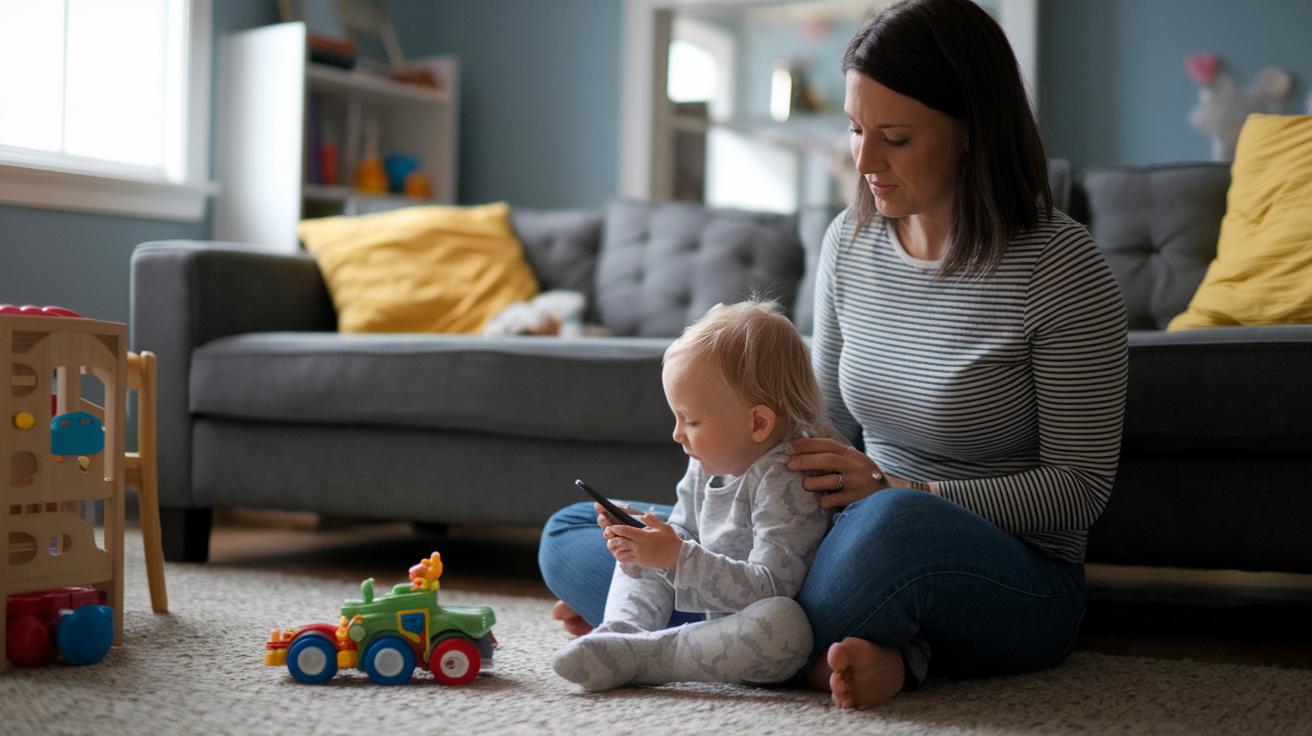
Positive parenting is really about having kind conversations, truly understanding your child’s feelings, and gently encouraging them to be independent. When you set clear rules and stay calm and caring, it makes following those rules easier for your little one. Studies even say that when parents use this approach, it makes guiding behavior smoother and helps the whole family feel more supported.
Clear Communication
Talking in simple, direct language goes a long way. For example, saying, "Let’s clean up our toys now" makes it easy for your child to know what to do. This approach clears up confusion and makes expectations as clear as day.
Active Listening
When you make eye contact and say things like, "I hear you," your child feels truly understood. This kind of warm, active listening builds trust and shows them that every word they say matters.
Offering Choices
Letting your child choose between options gives them a sense of control. For instance, asking, "Would you like to wear the blue shirt or the red one?" offers a simple, fun decision that helps them learn to make choices while still following your guidance.
Empathic Responses
Showing empathy is key. When you say something like, "It sounds like you’re upset about losing your toy," you let your child know that their feelings are important. This gentle acknowledgement of their emotions can really reduce frustration and ease those little power struggles.
Constructive Discipline Methods for Toddlers and Young Children

Constructive discipline means guiding your child's behavior while honoring how they grow and learn. Instead of using strict punishments that might only work for a short moment, this approach teaches responsibility and helps kids learn from what they do. It’s all about fairness, clear rules, and turning mistakes into opportunities to learn self-control.
There are four simple ways to put this into action. Logical consequences mean that your child sees a direct link between their actions and the results. For instance, if a toddler spills their drink, they can help clean it up so they learn that what they do has a clear outcome. Natural consequences let your little one feel the effects of their choices, like getting a chill when they decide not to wear a jacket. Time-ins are all about coming close, after a tantrum, a quiet cuddle helps them feel safe and learn to settle down. And using I-messages lets you share your feelings without blaming anyone, saying something like, “I feel worried when toys are left on the floor” can help set a kind, respectful tone.
It really helps to be consistent. Set clear rules and stick to them every day. Try not to depend too much on rewards, since that can sometimes make kids expect treats all the time. Consistency not only helps your child learn and grow but also builds a secure, trusting bond with you.
Mindful Parenting Approaches That Reduce Stress

Mindful parenting means really tuning in to your feelings and seeing what’s happening right now. It helps you notice how you feel and shows your little ones how to deal with strong emotions by watching you. When you take the time for self-awareness and work on calming your emotions, it creates a peaceful home where both you and your child learn to handle stress in a kind way.
Here are six simple ideas to help you stay calm:
- Take a slow, deep breath when things get tense.
- Pause for a moment and check in with yourself about how you’re feeling.
- Say your emotions out loud, like “I feel a bit frustrated right now.”
- Take a quick break before you react when things get tough.
- Picture a quiet, happy place in your mind.
- Jot down your thoughts in a journal to sort through the day.
These gentle practices don’t have to be a big hassle. Try setting aside just a couple of minutes between daily tasks to breathe deeply or take a moment to reflect. Over time, these little breaks can build a habit of calmness that not only helps you feel better but also shows your child how to manage feelings with care.
Co-Parenting Effectiveness: Building Collaborative Plans

Co-parenting works best when both caregivers, whether apart or together, join forces for the sake of their kids. When you keep communication open, set clear rules, and treat each other with respect, your children feel safe, loved, and understood. It’s like creating a warm, predictable space where everyone feels part of the family team.
One practical step is to write down your parenting plans. A simple agreement can outline schedules, discipline methods, screen time limits, and other daily expectations. This way, both homes share the same ideas and it helps blend different parenting styles into one consistent approach. When both parties follow these clear guidelines, every child gets the care and clarity they need, no matter where they are.
Keeping talk respectful is key to making these plans work smoothly. Regular check-ins, calm discussions, and using friendly “I” statements can really help resolve disagreements. And by staying flexible while keeping to your agreed routines, you build trust and make it easier to adapt when new challenges pop up. This open dialogue means you can tweak your plans without ever losing sight of what truly matters, your child’s happiness and well-being.
Age-Specific Parenting Strategies from Toddlers to Teenagers
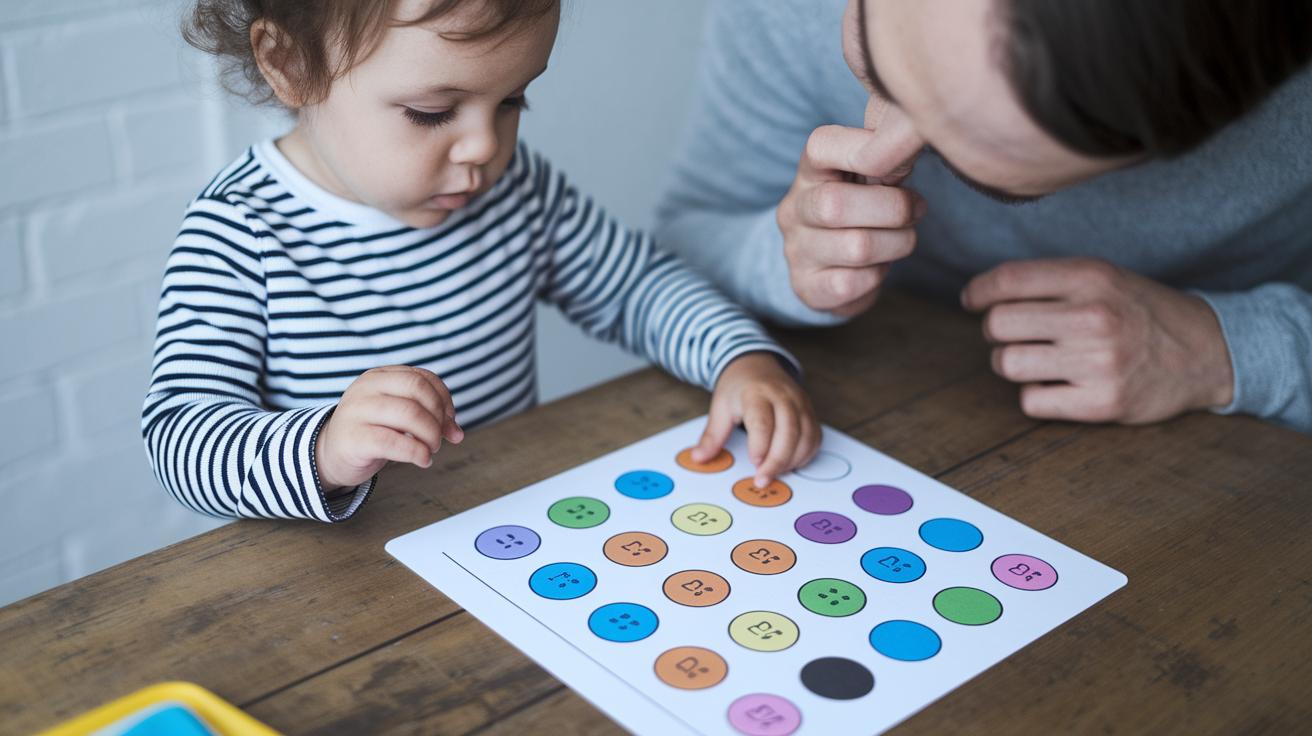
Young toddlers do best when they know what to expect. A steady daily routine can make them feel safe and secure. Try talking in simple words and praising them right away. For example, you might ask, "Would you like your teddy bear or your blanket for story time?" Little moments like this boost their confidence and set them up for growing independence.
When children start school, clear rules and working together make a big difference. You could create a simple family chart with agreed tasks and the occasional reward, like a sticker or a kind word. Inviting your child to help decide a homework or play schedule shows them that their ideas matter. Imagine saying, "Let’s figure out a fun way to tidy up the toys," and watch as they light up with involvement.
Teenagers do well when they get a mix of freedom and clear boundaries. It helps to have honest talks about things like curfews or screen time limits. You might say, "What do you think is a fair time to turn off the lights?" This respectful, back-and-forth conversation not only supports their need for independence but also builds a strong sense of responsibility.
Creating Structured Routines and Setting Healthy Boundaries
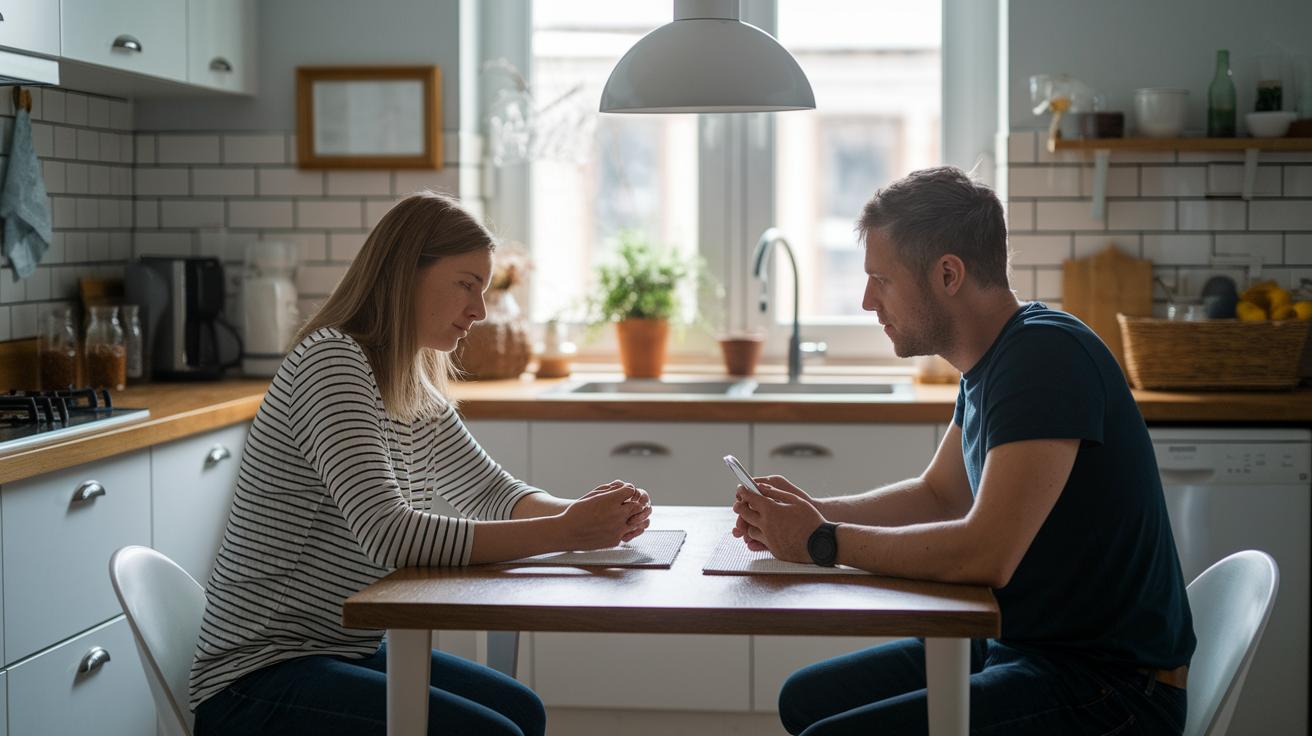
A steady daily schedule is like the gentle heartbeat of a calm home. Using regular mealtimes and periods without screens helps your child feel safe and secure. It creates a predictable environment that supports their growth, even if you've heard similar advice before.
A bedtime routine might involve a warm bath, a favorite story, or soft music filling the room. Start by dimming the lights, then offer a gentle cuddle. For example, a 10-minute cuddle before bed can really ease nighttime worries and set the stage for a better night's sleep.
Clear rules can make your day run more smoothly. Quick reminders about screen time or bedtime routines keep everyone on track. You might say, "The tablet's off at 8 PM, now let's settle in with a story." This little cue helps your child know what's coming next, making the day feel a bit easier for both of you.
Final Words
In the action, every section offered clear, practical steps that blend evidence-based methods with everyday parenting. We covered respectful discipline, mindful stress relief, and co-parenting techniques, along with age-specific strategies that adapt as your little one grows. The guide also showed how structured routines and healthy boundaries can create a calm, secure home.
These effective parenting strategies empower families with trusted tools and warm guidance, building stronger bonds and boosting confidence for every caregiving moment.
FAQ
How can I access effective parenting strategies, like a PDF or tips for toddlers?
The effective parenting strategies resources, including PDF guides and practical tips for toddlers, offer research-backed steps for building gentle routines and communicating clearly with your child.
What are the top five parenting skills and characteristics of a good parent?
The top five parenting skills include consistent routines, clear communication, empathy, patience, and problem-solving, all of which help build a warm, supportive home environment.
What positive parenting tips help support healthy child development?
The positive parenting tips encourage respectful communication, active listening, and age-appropriate choices while fostering a nurturing atmosphere that supports your child’s growing independence.
What are the 5 C’s of parenting?
The 5 C’s of parenting are care, consistency, communication, compassion, and collaboration, which together create strong, trusting bonds between you and your child.
What is the 7 7 7 rule for parenting?
The 7 7 7 rule for parenting suggests spending 7 minutes of focused one-on-one time, enjoying quality time every day, and ensuring a healthy sleep schedule to support family balance and connection.
What is the 30% rule in parenting?
The 30% rule in parenting means dedicating at least 30% of your family time to attentive engagement with your child, making sure they feel valued, understood, and supported.