
Have you ever wondered if a toy could teach your little one something new while filling their heart with joy? Imagine a toy that sparks curiosity and gently helps your baby explore the world safely. Toys for infants 6-12 months are more than just playthings. They’re fun tools that build motor skills, boost sensory play (using your five senses), and bring a simple lesson in cause-and-effect. These thoughtfully made toys turn everyday play into special moments where every touch feels magical and early growth is pure delight.
Key Benefits of Educational Toys for 6-12 Month Infants
When your little one is starting to explore, educational toys make learning fun and safe. These toys help build those first motor skills while inviting curious hands and bright eyes to enjoy touching and seeing new things. Think of a soft block or a BPA-free stacking set, they're perfect for little mouths and hands, sparking both sensory play and hand-eye coordination.
Interactive toys, like cute mirrors or surprise gift boxes, bring extra joy. They give your baby a taste of cause and effect. For example, when your baby reaches out to grab a toy, it's a tiny step into understanding that actions lead to results. It's really amazing how that simple touch can start teaching early lessons about the world.
As your baby grows, so do these toys. Many play kits and activity centers are designed to change as your little one develops, keeping up with every new skill and milestone. Through playful exploration, your baby not only discovers fun but also strengthens coordination and problem-solving skills.
Key benefits include:
| Benefit | Description |
|---|---|
| Sensory Development | Repeated touches and textures help build strong sensory connections. |
| Cognitive Learning | Interactive designs support early thinking and language skills. |
| Motor Skills | The toys grow with your child, encouraging both fine and gross motor development. |
These specially chosen toys merge fun and learning perfectly, supporting your baby's critical growth during a very special stage of life.
Essential Safety & Material Considerations for Infant Learning Toys
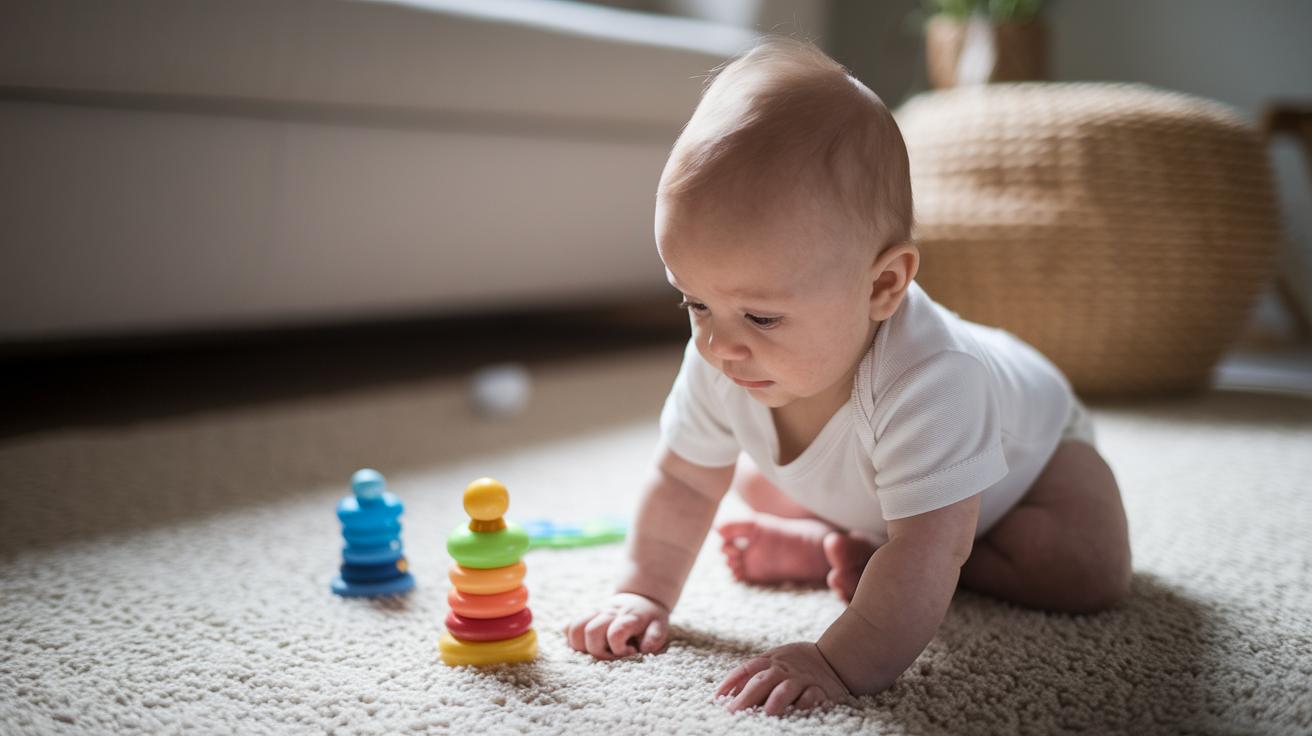
When choosing learning toys for your little one, safety comes first. You want toys made from play-safe materials that you can trust. They’re crafted to be big enough so there's little chance of choking and perfect for tiny hands exploring every texture, even if your baby decides to give it a little taste.
High-quality learning toys usually match strict safety guidelines by using non-toxic materials made without BPA or from FSC-certified resources (sustainably sourced). This means while your baby is busy discovering new colors and sounds, you get peace of mind knowing their health is protected.
Since teething babies might put toys in their mouth, look for options with soft, textured fabrics. These fabrics are gentle on sore gums and add a cute tactile experience that keeps your baby both calm and curious. Durable toys that grow with your baby also make smart investments for early learning. Just like checking for a missing puzzle piece, give each toy a quick once-over to ensure there aren’t any sharp edges or small parts that could easily come off.
For even more assurance, check out sources for non toxic toys that experts and other parents trust. Choose wisely, and you’ll find safety and fun go hand in hand.
Top Picks to Boost Sensory Development for 6-9 Month Infants
Sensory toys for babies aged six to nine months are made to spark curiosity and invite gentle play. They help tiny hands explore different textures while sitting comfortably. Have you ever watched your little one press and squeeze a soft toy? It's like a mini workout for their tiny fingers, gently teaching cause and effect.
A favorite is the textured squeezable block, which lets babies press, squeeze, and discover different surfaces. It turns playtime into a fun, tactile adventure that builds motor skills. And then there are mirror toys. When your baby sees their own reflection, it's as if they're meeting a new friend. Their giggles and curious glances build early social awareness and the idea that they exist as a unique person.
Surprise gift boxes add a spark of wonder too. Each time one is opened, it reveals a hidden image or sound, a delightful cue that makes learning so much fun. Puppet board books, with their fun flaps and varied textures, are like interactive peek-a-boo games, gently teaching that objects can appear and disappear.
Other sensory treasures include multisensory baby instruments that create soft lights and gentle sounds when touched, connecting simple actions to delightful responses. For a change in perspective, many caregivers also appreciate tummy time toys, which encourage babies to explore their world from a new angle.
- Textured squeezable blocks for tactile fun
- Mirror toys for self-exploration and smiles
- Surprise gift boxes to spark curiosity
- Puppet board books for peek-a-boo adventures
- Multisensory baby instruments to blend sound and light
Each option is crafted to gently challenge your baby's senses while laying a warm, loving foundation for their cognitive growth.
Motor Skills Enhancers for 9-12 Month Educational Toys
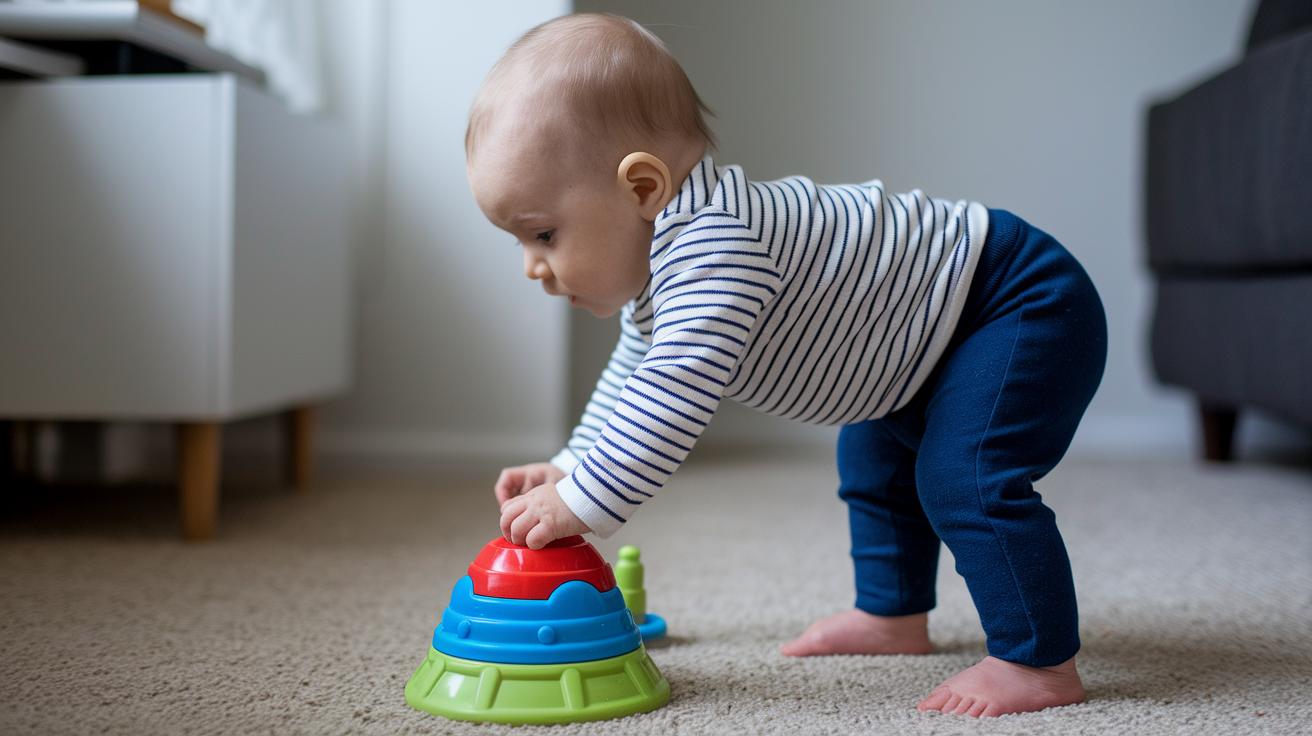
At 9 to 12 months, little ones are busy discovering how to crawl, stand, and even take those very first steps. During this exciting time, toys that boost motor skills encourage movement and help them build balance and coordination. Push and pull toys with broad, sturdy bases work like tiny walking buddies by giving babies a little extra support while they learn to walk. Think about a baby pushing a toy across the floor, each push is a small win for hand-eye coordination.
Shape sorter puzzles and block-building activities give your baby a chance to use both small and big muscles. When they reach out to drop a block into the right hole, they are practicing hand-eye coordination and solving little puzzles. Picture a tiny hand finding just the right fit with delight as each piece lands into place.
Motor skills activity centers bring together a fun mix of play and learning. These portable centers come with buttons, levers, and slots to explore. They spark movement and let your baby discover new ways to strengthen muscles, one gentle push at a time.
Other favorites include an 8-cup BPA-free stacking set (BPA-free means safe plastic) and rattles with suction cups. Even if your little one uses them for a quick teether session, these toys stay safe and fun.
- Toys that boost motor skills for early walkers
- Games that blend fun with hand-eye coordination challenges
- Activity centers that grow with your baby
- Push and pull toys that help build balance
- Block play activities to refine small muscle skills
Interactive Learning Tools to Stimulate Cognitive Growth
Imagine a little baby strumming a tiny guitar that plays six cheerful tunes or opening a surprise box to find a soft toy or playful sound. These fun, hands-on tools help your little one learn early lessons about cause and effect. When your baby taps a string or presses a button that lights up their favorite color, they quickly see that one small action can bring another delightful reaction.
These playful items not only boost sensory exploration but also help build early language skills through engaging stories in board books and puppet books.
- Six-song baby guitars that mix sound with movement
- Surprise boxes that encourage action and reaction
- Puppet board books that add a fun twist to storytelling
For more ideas, check out "top rated toys for 6 month old" to discover more ways to spark joy and learning in your baby.
Choosing Age-Appropriate Play Items for Each Growth Stage
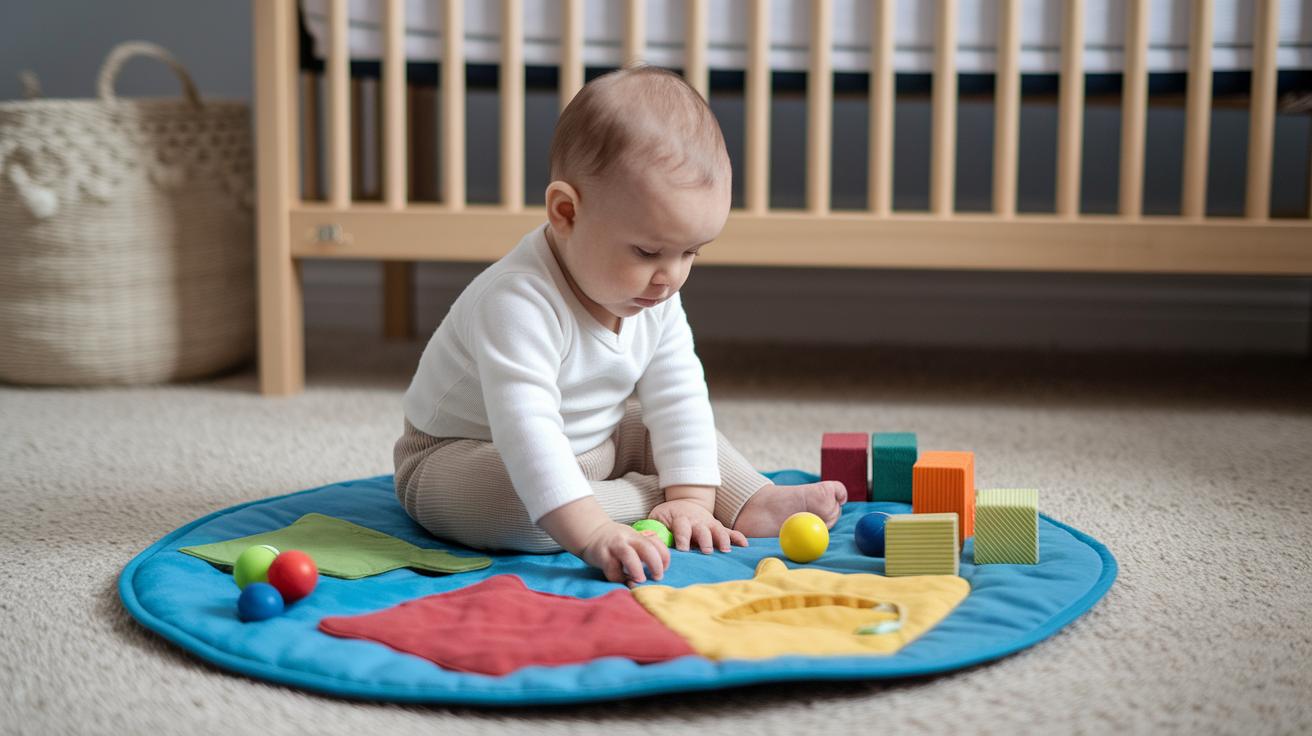
Toys should grow along with your little one to keep playtime fun and full of benefits. When your baby is about six months old, simple items like soft rattles and textured blocks let them explore safely on their own. As your baby grows, these toys can turn into sets with different pieces that help build both fine and big motor skills. Picture a soft fabric shape sorter that introduces colors and makes a little clicking sound when pieces fit, each click a small celebration of progress.
It’s a good idea to start with basic play items and then slowly add toys with more challenges. Many parents find that subscription play kits, updated every two months, work perfectly to keep up with their baby’s growing skills. These kits usually begin with very simple toys and then add fun elements that spark problem-solving and interactive play.
Here are a few tips for choosing age-appropriate play items:
- Start with easy sensory toys when your baby is about six months old.
- Switch to toys that do more as their skills develop.
- Use subscription kits to always match their growing abilities.
Budget-Friendly & Gift Ideas for Educational Infant Play
Educational play doesn’t have to be expensive. You can spark your baby’s curiosity with simple, affordable choices. Everyday items, like cardboard boxes or plastic cups, can be clever teaching tools that invite exploration. Picture transforming a plain box into a fun tunnel where every crawl feels like a new adventure. These items can even be turned into DIY sensory boards for hands-on fun.
Another great option is subscription play kits. They send a fresh mix of engaging toys every few months, so your little one always has something new to explore. As your baby grows, these kits evolve with their developing skills, making play both fun and enriching without breaking the bank.
There are lots of creative gift ideas too. Personalized photo books are sweet presents that also help with early language learning. And simple stacking toys offer endless enjoyment while boosting motor skills, a perfect example of budget-friendly play.
- DIY sensory boards for imaginative, touch-based play
- Personalized photo books that blend memories with learning
- Simple stacking toys to help build motor skills
All these ideas show that fun and learning don’t need to come with a high price tag. They turn everyday moments into little treasures, nurturing growth and bringing smiles every day.
Final Words
Jumping right into play, this article shared simple tips for choosing toys that help little ones grow strong motor skills, spark sensory exploration, and build early language abilities. Small steps like picking safe, non-toxic toys can create a nurturing space for every stage. We also explored budget-friendly finds and creative gift ideas. Embracing the magic of educational toys for infants 6-12 months can make this period both fun and full of discovery. Enjoy every playful moment with your little explorer.
FAQ
What are good developmental toys for 6-12 month old babies?
Good developmental toys for 6-12 months include soft stacking blocks, mirror toys, and surprise boxes. They help boost motor skills, object permanence, and sensory exploration during this key growth period.
What are examples of educational toys for infants?
Examples of educational toys for infants include textured soft blocks, musical instruments, baby board books, and cause-and-effect play items. These toys nurture sensory play, language skills, and fine motor development.
What toys support baby brain development during infancy?
Toys that support baby brain development feature interactive elements like gentle musical instruments, tactile stacking sets, and surprise boxes. They promote sensory, motor, and early cognitive advancements in a playful way.
Do educational toys for 6-12 month girls differ from those for boys?
Educational toys for baby girls and boys aged 6-12 months generally share the same benefits. Both enjoy bright, textured, and interactive items that encourage motor skills and stimulate sensory and cognitive growth.
What baby toys are best for infants 0-6 months?
Baby toys best suited for 0-6 months include high-contrast, soft rattles and safe teething rings. These items foster early visual tracking, basic motor skills, and sensory stimulation in young infants.
Where can I find educational toys for 6-12 month olds?
Educational toys for 6-12 month-olds are available on popular platforms like Amazon. They offer a range of safe, engaging, and developmentally appropriate options that meet strict guidelines for early learning.


