
Have you ever wondered if being super strict is really the only way to help kids grow happy and confident? Back in the 1960s, Diana Baumrind studied over 100 preschoolers and learned something special. She found that when parents mix warm love with clear limits, kids blossom. It’s like wrapping them in a cozy blanket that also keeps them safe. This simple idea shows us that having both love and rules in our homes can help kids feel secure and supported.
It might sound a little different than what we’re used to, but think of it as setting a gentle guide for our little ones. Rules don’t have to mean harshness, they can be caring signposts that lead our kids to grow up feeling strong and understood. Now, wouldn’t it be nice if we all gave this mix a try and saw our children thrive?
baumrind parenting styles Spark Positive Child Growth
Diana Baumrind’s early work from the 1960s followed over 100 preschoolers to understand how different ways of parenting can shape a child’s growth. She looked at two important ideas: how much warmth and support a parent shows (parental responsiveness) and how many clear rules and expectations they set (parental demandingness). Fun fact: people once believed that being strict was all that built character, not realizing that a caring touch was just as important.
Her study created a simple framework that uses a mix of care and clear rules to help guide child development. This idea, built on watching real behaviors, makes it easier for parents to see how combining love and limits really matters.
In her original work, Baumrind spotted three main parenting styles, and later on, a fourth one was added by other researchers. The authoritative style blends high expectations with plenty of love, helping children grow up both disciplined and secure. On the other hand, the authoritarian style relies on strict rules with less warmth, which might make kids obedient but less happy. Then there’s permissive parenting, where lots of love meets few rules, sometimes leading to challenges with self-control. Lastly, the neglectful style shows little care and few rules, which can make school and social life tougher for a child.
Historical Evolution of Baumrind’s Rearing Framework

Back in the early 1960s, Baumrind spent time with over 100 preschoolers to see first-hand how parent-child interactions shape early social behaviors. Just think, observing only 100 children revealed a glimpse into the everyday exchanges that help build a child’s development.
By 1967, she introduced a three-style model of parenting, mixing warmth with clear limits. A few years later, in 1971, she fine-tuned how demandingness (firm rule-setting) and responsiveness (loving attention) are measured, much like carefully following a recipe when baking cookies, each ingredient plays a key role.
Later studies in many cultures built on her work by adding a fourth style: neglectful. This new style showed that when parents are less involved, it can really affect a child’s growth.
Authoritative Parenting within Baumrind’s Model
If you’re a parent trying to find a balance between setting high expectations and showing lots of warmth, authoritative parenting might feel just right. It’s a way to set clear limits while still offering hugs, smiles, and a listening ear. When you mix firm rules with genuine care, you give your kids the confidence they need to handle everyday challenges.
Parents who use this style focus on:
- clear rules
- consistent discipline
- emotional support
- open dialogue
- monitored autonomy
- positive reinforcement
Research shows that kids raised in this kind of home usually do better in school and feel more secure in their friendships. When the conversation stays open and rules make sense, children often grow into capable problem solvers who trust themselves. It’s like wrapping them in a warm, safe blanket that helps them face the world with both strength and kindness.
Comparative Table of Authoritarian, Permissive, and Neglectful Styles

When we look at different parenting styles, it can be really helpful for caregivers to see how warmth and rules mix together to shape a child’s growth. For example, a strict, rule-heavy approach can make a child very obedient, but it might also hold them back from sharing how they really feel. Knowing this might inspire a parent to try a gentler way of guiding their child.
| Style | Responsiveness Level | Demandingness Level | Typical Child Outcome | Additional Insights |
|---|---|---|---|---|
| Authoritarian | Low | High | Obedient but keeps feelings hidden | Some studies say these kids might find it hard to be independent or confident later on |
| Permissive | High | Low | May have trouble with self-control and following limits | Research shows these children might struggle with rules in more structured settings later in life |
| Neglectful | Low | Low | Often feel anxious and face social challenges | Some cultural research links this style to difficulties in school and social life down the road |
This guide offers a handy, quick way to compare styles, blending the latest research with everyday insights, so you can feel more confident in finding the best balance for your child.
Modern Variations of Baumrind’s Parenting Styles
Today, many busy parents are rethinking old ideas to fit our modern way of life. With new challenges and shifting cultural views, families are exploring fresh ways to guide their children while still giving them room to grow. These updated approaches build on Baumrind’s original ideas by mixing clear guidelines with chances for kids to build their independence and self-reliance.
Think of it like this: Lighthouse parenting offers steady guidance while also encouraging little ones to explore on their own. Helicopter parenting means parents are very involved, even if that sometimes limits a child’s opportunity to figure things out independently. Tiger parenting sets high academic expectations and pushes for excellence, whereas snowplow parenting sees parents clearing obstacles to make their child’s path smoother. With free-range parenting, there's minimal interference, letting kids learn directly from life’s ups and downs. And attachment parenting is all about creating deep emotional bonds through close, responsive care, which helps build trust and security.
Practical Applications: Implementing Baumrind’s Styles for Positive Outcomes
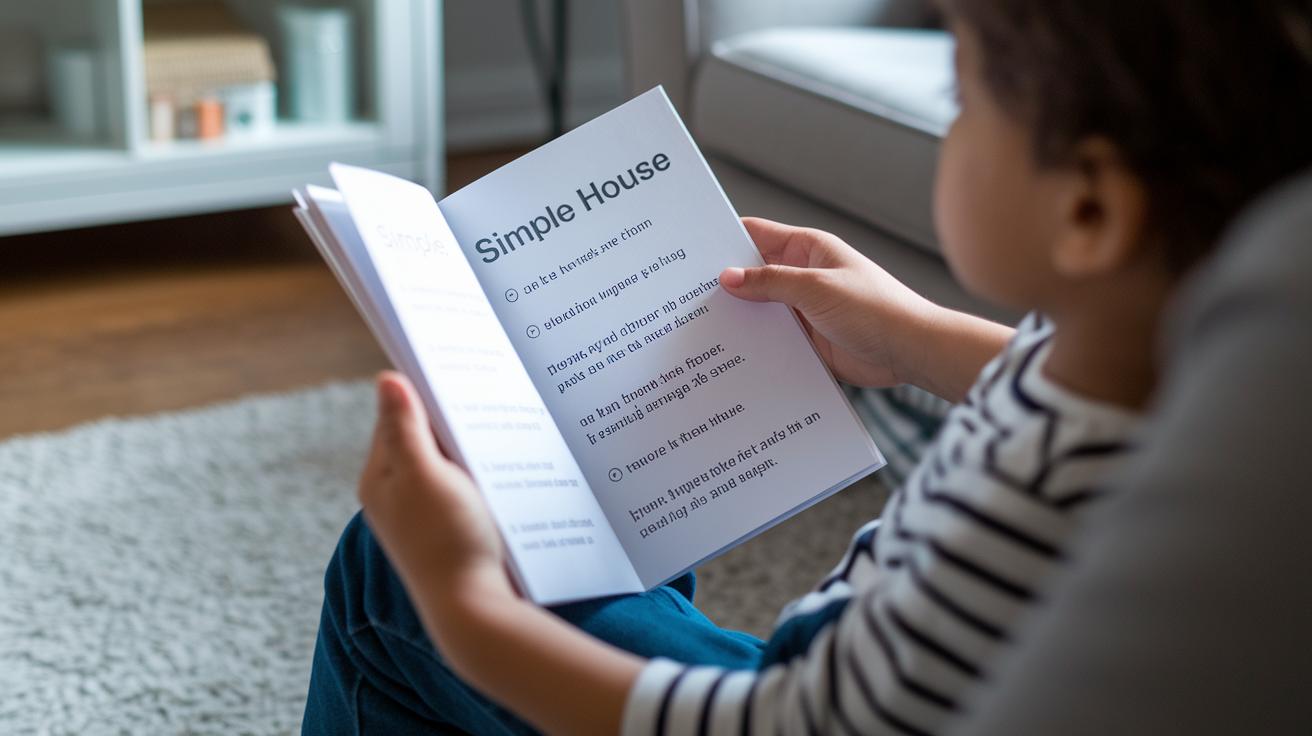
Research tells us that kids who grow up in homes with clear rules and lots of love often do better in school and feel more confident. When you mix firm guidance with friendly talks and steady limits, children tend to enjoy school and feel secure. On the other hand, homes with few boundaries might leave little ones struggling with how to manage their feelings and interact with others.
Using clear expectations with a side of warmth turns everyday moments into chances to learn and grow. Think of setting simple, easy-to-understand rules and then explaining why those rules matter. It creates a safe space where children learn what’s okay and what isn’t. Sticking to these rules, and following through if needed, helps kids learn about responsibility. It’s like combining gentle reminders with a hug. If you’re just starting out in parenting, you might enjoy these helpful first time parent tips.
Having a steady daily routine is also very important. A predictable schedule makes children feel safe and ready to handle both good times and challenges. When you respond calmly to little conflicts and offer kind, clear advice, your child learns to express feelings and solve problems on their own. This thoughtful balance of guidance and care not only helps them correct mistakes but also builds habits that lead to a happier, more balanced life.
Remember, every child is unique, and what works well for one might work differently for another. Adjusting your approach to fit your child’s personality is key. Have you ever noticed how a little tweak in your routine can make a big difference in your child’s day?
Evaluations and Critiques of Baumrind’s Framework in Contemporary Research
Many experts feel that Baumrind’s framework sometimes misses the small cultural details and different kinds of family life. Some say it seems to assume one style fits all, which doesn’t capture the unique ways families interact today. It’s like trying to fit every family into one mold, even though each one has its own values and traditions.
New research is showing that the model might be improved by adding extra ideas, like a child’s natural temperament, how money matters, and even the impact of our digital world. Researchers are testing out new, flexible tools (methods to understand how kids respond to different kinds of parenting) to see what really works, no matter a family’s background.
Many voices today believe that we need a fresh approach, one that welcomes every type of family and adapts as social habits change. This new view hopes to support all children by recognizing that each family is unique and deserves a model that truly fits their story.
Final Words
In the action, we explored Baumrind’s research from her early study to modern variations. We broke down each parenting style, discussed their impact on child growth, and compared approaches side by side.
This article aimed to make the details of baumrind parenting styles clear and practical. We hope these insights give you a bit more confidence as you build a nurturing space for your little one. Keep smiling and enjoy every small moment.
FAQ
Q: Where can I find resources on Diana Baumrind’s parenting styles?
A: Searching online for Diana Baumrind’s work reveals PDFs, questionnaires, her original article, Google Scholar entries, ppt presentations, and books. Academic databases and trusted parenting sites are great starting points.
Q: What are the 4 types of parenting styles and what are their dimensions according to Diana Baumrind?
A: Diana Baumrind identified authoritative, authoritarian, permissive, and neglectful styles. Her model measures warmth (responsiveness) and control (demandingness) to explain how parenting behaviors shape child outcomes.
Q: What is Baumrind’s traditional parenting pattern and how is it measured?
A: Baumrind’s traditional pattern focuses on balancing high or low warmth and control. Her parenting style scale evaluates the levels of responsiveness and demandingness to understand different approaches in child rearing.
Q: How did Maccoby and Martin contribute to understanding parenting styles?
A: Maccoby and Martin expanded on Baumrind’s work by offering a richer look at how strictness and warmth influence children. Their theory provides added insight into family dynamics and further refines behavioral research.


