
Have you ever wondered if one kind hug could give your child strength for life?
Attachment parenting is all about forming a warm, steady bond with your baby, starting even before birth and growing with each loving touch.
It means that you truly listen and respond with care, paying attention to every little cue your baby offers.
This simple, caring approach builds trust and helps your little one feel safe and brave enough to explore.
In this post, we'll look at how nurturing connections can help both you and your baby grow into confident, happy individuals.
Attachment Parenting Explained: Definition and Foundations
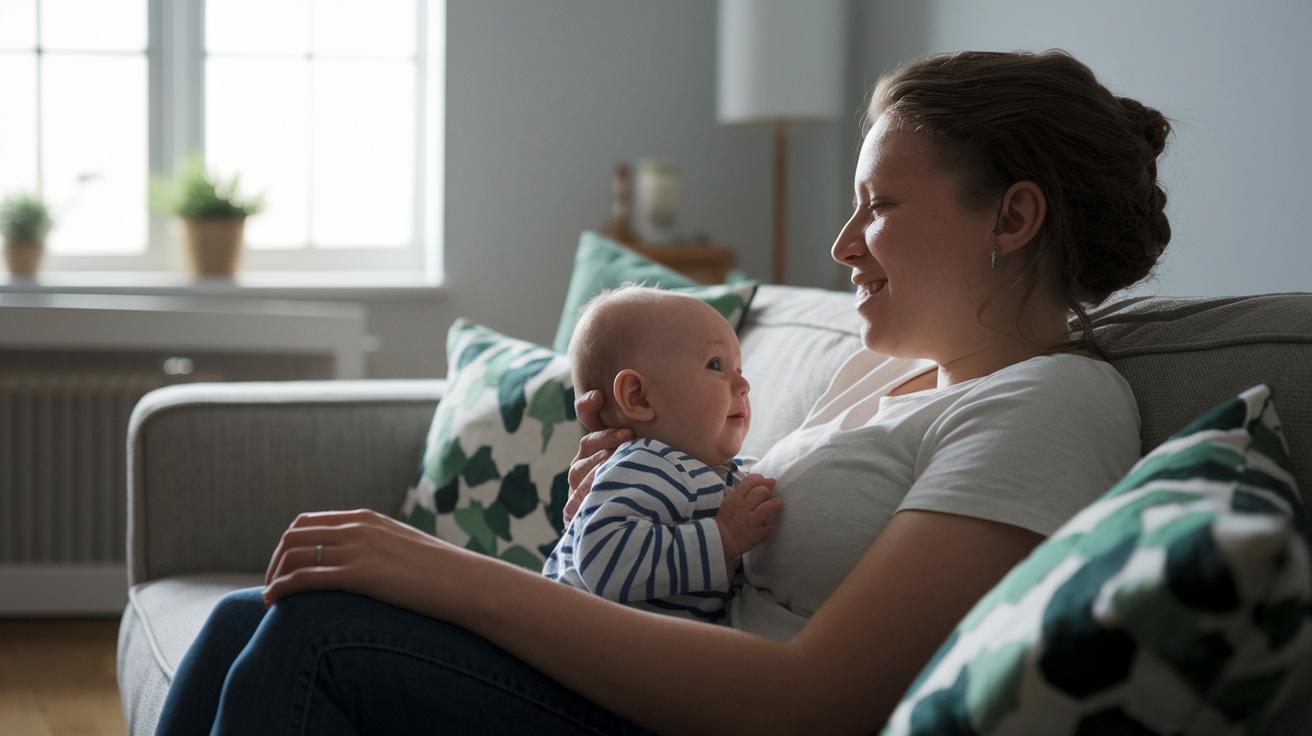
Attachment parenting is all about building a warm, loving bond with your baby right from pregnancy through early childhood. It’s a caring way of parenting that helps your little one feel safe, secure, and ready to explore. Often, even the gentlest touch can bring comfort and build trust.
This approach comes from attachment theory, which shows that early, close interactions help shape a child’s ability to form healthy relationships later on. In simple terms, those quiet moments – a soft cuddle during a tough moment, for example – really do make a big difference.
The idea is to encourage parents to tune in to their baby’s needs and cues consistently. When you respond with care, it builds a deep sense of trust. Think of a comforting cuddle when your baby is fussy; that simple act can boost their mood and help them feel brave enough to face new experiences. Truly, attachment parenting is about nurturing both emotional and physical bonds so that your child grows up with steady self-esteem and the confidence to explore the world.
attachment parenting: Radiant Bonds and Growth
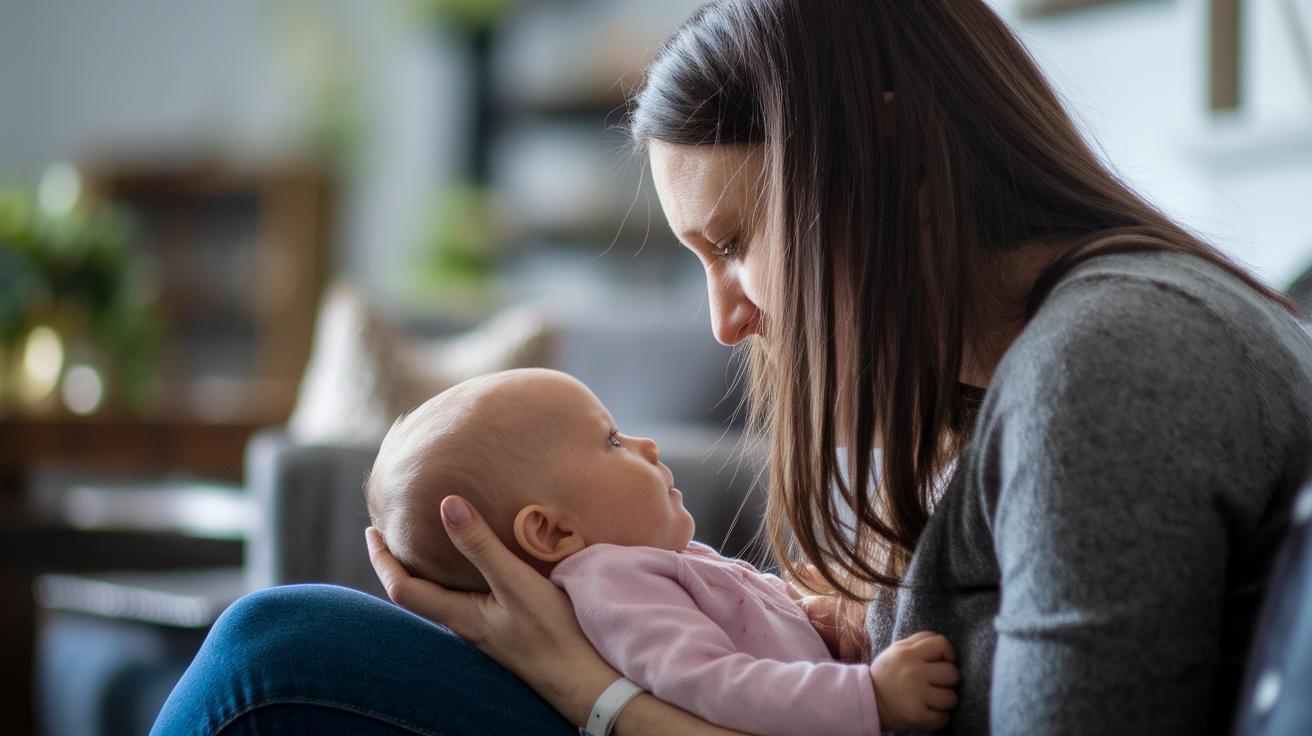
Attachment parenting is all about building a warm, steady bond right from day one. Many parents choose this path when preparing for pregnancy and birth, setting the stage for a caring relationship filled with empathy and openness. Little moments, a gentle cuddle or a sweet smile, help create a secure connection that guides both parent and child.
This nurturing approach uses simple, everyday techniques to make interactions feel calm and full of trust. Parents listen closely to their baby’s tiny signals and respond right away, offering comfort whenever needed. Keeping babies close, whether through babywearing or room-sharing, helps families grow together naturally.
- Responding to baby’s cues right away
- Breastfeeding or chestfeeding whenever needed
- Keeping plenty of physical closeness
- Using baby carriers for gentle babywearing
- Choosing room-sharing or safe co-sleeping
- Preparing emotionally and mentally for the parenting journey
When families embrace these practices, they weave a tapestry of warm bonds and steady growth. Every little cue, a soft cry or a joyful laugh, turns the home into a secure, nurturing space. These simple, consistent acts not only soothe immediate needs but also build confidence, helping children explore the world with ease. It’s like creating a cozy corner where both the baby and the parent grow, learning the beauty of a truly connected life.
Attachment Parenting Sleep Practices: Co-Sleeping, Safe Sleep, and Alternatives
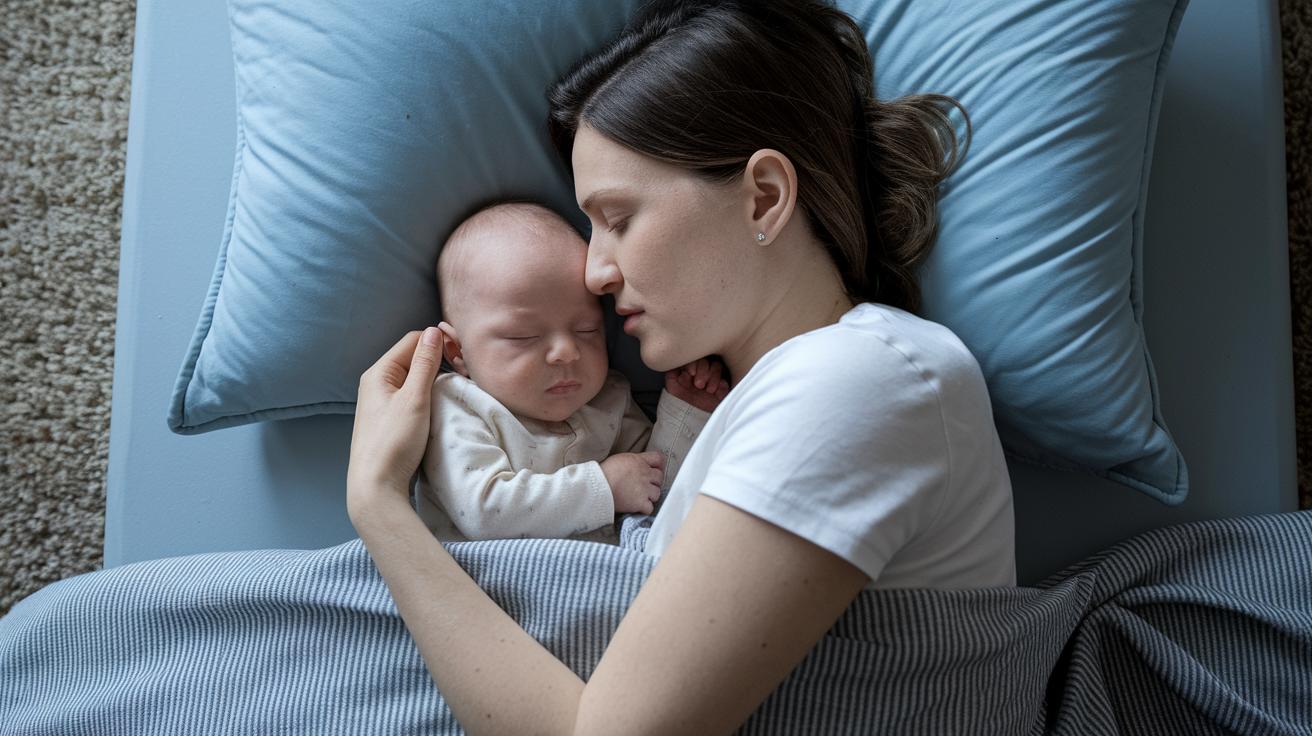
Attaching closely at night is a key part of attachment parenting. Many parents find that having their little one nearby brings a sense of ease and trust throughout the night. It can feel just like a warm hug when sleep seems far away.
Here are some simple guidelines to help you create a safe and cozy sleep space:
- Use a firm mattress in a room shared with a parent.
- Place your baby on their back on a separate but close sleep surface.
- Avoid soft bedding, pillows, and loose blankets.
- Consider using a bedside co-sleeping attachment or a dock-style crib.
Many parents follow these safe sleep tips (similar to those found at https://bsnuggs.com?p=211) to lower risks while keeping their baby felt close by. It’s all about setting up a secure, nurturing space that helps everyone rest a little easier.
Instead of strict sleep training, attachment parenting lets you follow your baby's natural sleep patterns. Rather than forcing a schedule, you observe your baby’s cues and let bedtime evolve naturally. This way, bedtime becomes a gentle moment of reassurance, filled with soft whispers and tender touches. Ultimately, the goal is to keep communication open and physical contact spontaneous so that every night feels a bit more comforting.
Practical Attachment Parenting Techniques: Babywearing, Responsive Feeding, and More

Babywearing brings a special closeness between you and your little one. In the early months (0–12 months), a carrier made just for babies keeps them safe while you’re on the move. And as your baby grows into a curious infant (4 months–4 years) or even a playful toddler (0–3 years), picking a carrier that fits their stage offers them the safe, cozy support they need. It frees your hands and turns everyday moments into heartwarming memories.
Responsive feeding is all about tuning in to your baby’s needs. Instead of sticking to a strict feeding schedule, you watch for signs of hunger and offer the breast or bottle when they’re ready. Every feeding turns into a gentle chat of care, much like those quiet moments when a tiny sip says more than words. This approach helps create a calm, loving space where your baby can thrive.
Nurturing touch isn’t just a soft pat, it’s about whole-body closeness. Skin-to-skin cuddles and tender snuggles build trust and show love, even on tough days. A light caress or quiet cuddle can bring quick comfort, creating lasting memories filled with warmth and safety.
Benefits of Attachment Parenting for Child Development

When you tune in to your baby's cues, research tells us that strong, loving bonds are born. This close connection helps little ones learn to manage their feelings, with studies showing that kids in caring environments often boost their self-esteem and handle stress better. Imagine it like laying a solid base, one that helps your child tackle everyday challenges with resilience.
Kids who feel safe and loved naturally become more curious about the world around them. They explore with confidence and engage in healthier social interactions. For example, when a baby regularly experiences warm, responsive care, they often grow into children who feel at ease in group settings, communicate well, and adapt smoothly to new situations.
Altogether, these benefits clearly show that attachment parenting not only meets a child’s immediate needs but also sets the stage for long-term emotional and social growth. With consistent and gentle care, children learn to solve problems on their own and balance their feelings. This nurturing approach even supports better friendships, smoother conflict resolution, and a positive outlook, essential ingredients for a thriving life.
Navigating Challenges and Misconceptions in Attachment Parenting
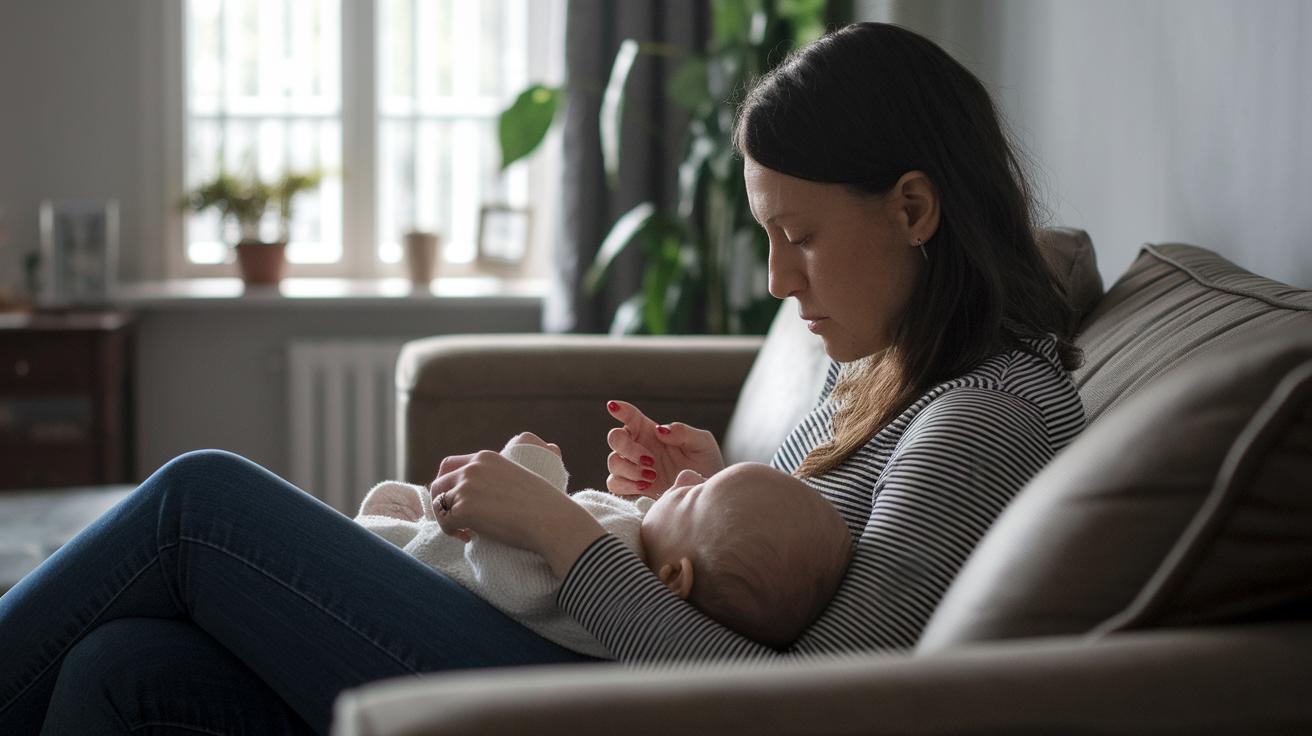
Lots of parents feel overwhelmed by the high expectations that come with attachment parenting. They worry that even a small slip-up might affect their baby's emotional well-being. It can really feel like too much on busy days.
A big misunderstanding is that attachment parenting means you have to be perfect every minute or follow strict, all-or-nothing rules. But really, it’s meant to help you nurture a warm, loving bond with your child through everyday actions. There isn’t a rule saying one mistake will throw everything off. Instead, it celebrates being responsive and sensitive, even on days that don't go as planned. And remember, attachment parenting isn’t the same as secure attachment (the natural bond that grows over time through daily interactions).
The best part is that attachment parenting is flexible. Every family can make it work with their own routine, allowing room for both the joyful surprises and the challenges that modern parenting brings.
Research and Expert Perspectives on Attachment Parenting

Back in 1987, Shaver and Hazan discovered that the close bonds we form early in life can really shape how we interact with others later on. They found that these first connections make us feel safe right away and also help build long-term emotional strength.
Later studies dug even deeper into these ideas. Researchers looked at how different ways of bonding can influence a child's growth. They often revisited the early findings and fine-tuned our understanding of how attachment works.
Experts now agree that both emotional care and physical closeness are vital for a child's development. When parents quickly respond with warmth, a gentle touch or a soothing hug, it creates a safe space for the little one. This feeling of security helps kids gain the confidence to explore new things and deal with stress. One expert said it best: "Responsive care builds a bridge between a child's heart and the world outside, making everyday challenges easier to face."
Newer research takes it a step further by looking at emotional intelligence and social bonds too. Today, we understand that early, steady bonding isn’t just about feeling cozy at the moment. It lays the groundwork for balanced growth by nurturing both the mind and the body.
Comparing Attachment Parenting with Other Parenting Styles
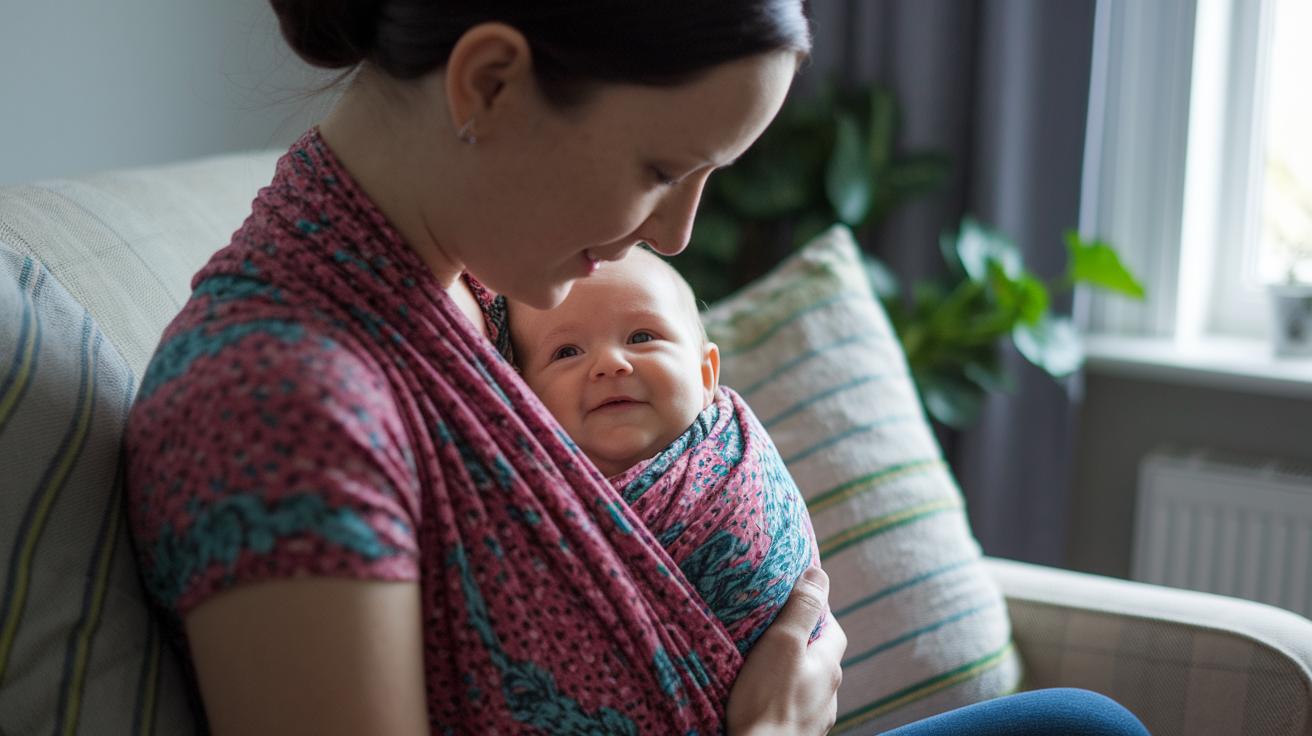
Attachment parenting is all about creating a warm, loving bond with your little one. It encourages hands-on practices like babywearing and responding closely to your baby’s cues. This approach is different from other methods that might blend strict routines with kindness or offer lots of warmth without clear rules. Understanding these differences can help you choose the style that fits your family best.
| Parenting Style | Key Focus | Child Outcome |
|---|---|---|
| Attachment Parenting | Building bond through babywearing and responsive care | Secure emotional ties and trust |
| Authoritative Parenting | Mixing clear rules with warmth | Kids who learn self-discipline and respect limits |
| Permissive Parenting | High warmth with very few rules | Children who might find it harder to manage their impulses |
| Uninvolved Parenting | Little consistent engagement and support | Kids who may struggle socially and academically |
When you compare these styles, you can see clear differences. Attachment parenting nurtures trust and emotional security, while authoritative parenting offers structure and encouragement. In contrast, permissive and uninvolved parenting might leave children less ready to face everyday challenges. This insight can be a helpful guide as you shape your own parenting journey.
Real-Life Cases and Success Stories in Attachment Parenting

Maria and her daughter Lily live the attachment parenting way every day. Each morning, Maria gently places Lily into a soft, cozy carrier, letting her feel warmth and closeness right from the start. Over time, Lily gets less fussy, and her smile grows brighter. Maria often says, "Every cuddle and shared smile builds a bond that makes our day a little lighter." It’s amazing how everyday moments can build such a comforting connection.
James and his son Ethan created a bedtime routine that’s all about closeness and calm. They set up a safe space for co-sleeping and use quiet, soothing touches as bedtime rolls in. Soon enough, Ethan settles into peaceful sleep and even shows more curiosity and calm during the day. Their story reminds us that gentle care, from responsive feeding to tender nighttime cuddles, can turn simple moments into nurturing milestones that help little ones grow emotionally.
Final Words
In the action, we walked through the basics of attachment parenting, uncovering its gentle philosophy and practical steps. We shared sleep tips, babywearing suggestions, and responsive feeding ideas that nurture both parent and baby. The benefits for child development were clear, and we addressed some common misunderstandings along the way. Real-life examples remind us just how heartwarming and effective this care approach can be. Embrace attachment parenting with warmth and confidence for a brighter tomorrow.
FAQ
What is an attachment parenting book?
The attachment parenting book offers insights into building a loving bond with your child by emphasizing responsive care and nurturing physical closeness, which many parents find helpful for practical, warm guidance.
How might attachment parenting affect my child?
The idea that attachment parenting ruined a child is not supported by research. Instead, it builds secure bonds through responsive care, although some worry about overdependence when critics misunderstand the flexible nature of the approach.
What discussions about attachment parenting are found on Reddit?
Attachment parenting discussions on Reddit share personal experiences, practical tips, and honest stories about both successes and challenges, giving parents a real-life view of this nurturing approach.
What are some attachment parenting examples?
Attachment parenting examples include on-demand feeding, babywearing, and safe co-sleeping arrangements, all of which help strengthen the emotional bond between parent and child.
What are the pros and cons of attachment parenting, including its downsides?
The pros of attachment parenting are stronger emotional bonds and closer responsiveness, while the cons can include heightened parental stress and potential criticism from others. Parents often adjust techniques to work best for their family.
What attachment parenting strategies are commonly used?
Common strategies include responding intuitively to baby cues, offering on-demand feeding, keeping your baby close, and practicing safe sleep techniques to nurture a secure and loving environment.
How does attachment parenting influence sleep practices?
Attachment parenting sleep practices stress co-sleeping arrangements and safe sleep setups that keep the baby nearby, helping them feel secure throughout the night while following proper safety guidelines.
What does secure attachment parenting involve?
Secure attachment parenting focuses on creating a safe, loving bond by emphasizing sensitivity and physical closeness, which helps children develop confidence and emotional wellbeing as they grow.
What do the 7 B’s of attachment parenting represent?
The 7 B’s of attachment parenting represent key principles like bonding, breastfeeding, and bedside manner, which together guide parents in nurturing a secure and empathetic relationship with their child.
What is the 7 7 7 rule in parenting?
The 7 7 7 rule in parenting provides a simple, balanced framework for daily routines, encouraging consistent attention and care that promotes a stable nurturing environment for your little one.
Why might attachment parenting be considered controversial?
Attachment parenting is sometimes seen as controversial because critics worry that constant responsiveness may lead to overdependence. Yet many families adapt these flexible practices to support confident, secure children.


