
First babies mean first-time parents buy everything—cribs, gadgets, adorable outfits—often more than needed. This guide helps you separate the essentials from the gimmicks so you save money, prevent clutter, and enjoy the newborn months. We’ll look at six commonly overbought items new parents can usually skip: changing tables, fancy infant tubs, hi-tech electric rockers, extra booties, heaps of newborn bibs, and decorative blankets. For each, I’ll explain why it’s unnecessary, safe and practical alternatives, and when it might actually make sense to splurge. Read on to streamline your newborn checklist and keep the focus on comfort and safety.
What First-Time Parents Actually Need (And Don’t)
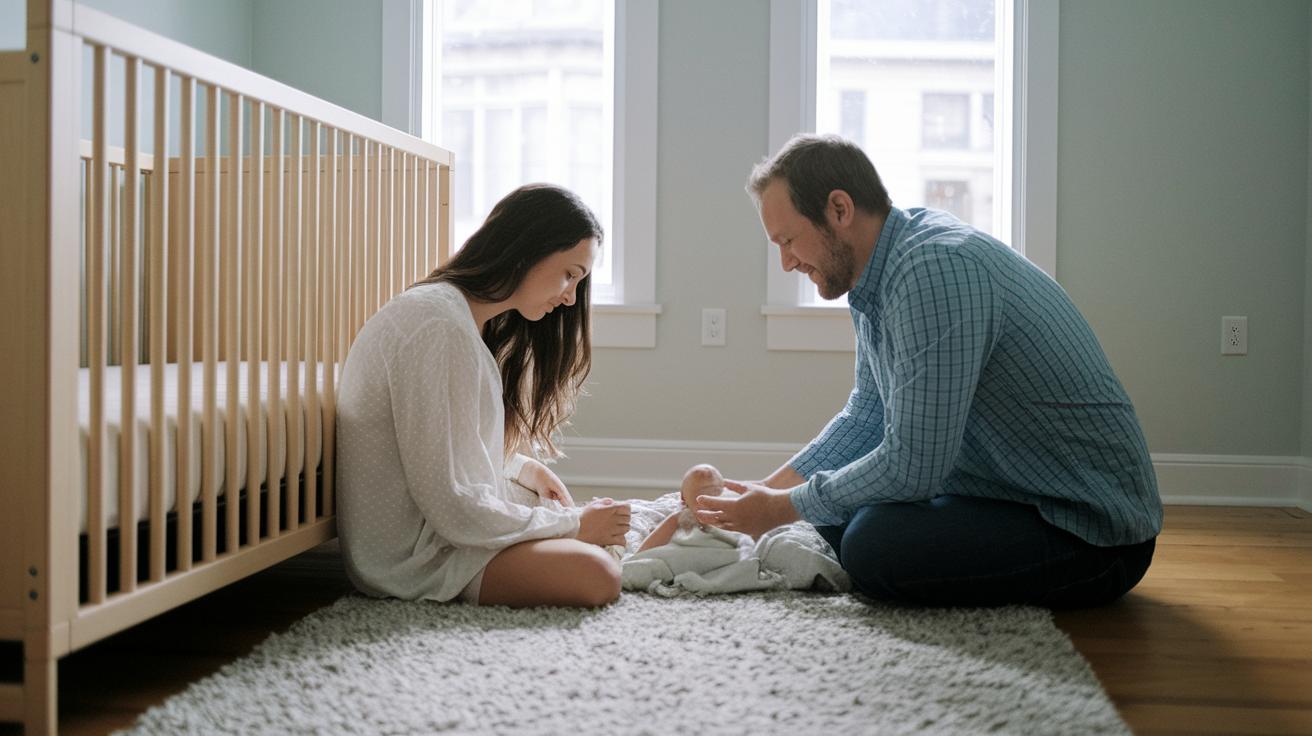
First babies mean first-time parents buy everything, cribs, gadgets, adorable outfits, often more than needed. This guide helps you separate the essentials from the gimmicks so you save money, prevent clutter, and enjoy the newborn months. We’ll look at six commonly overbought items new parents can usually skip: changing tables, fancy infant tubs, hi‑tech electric rockers, extra booties, heaps of newborn bibs, and decorative blankets. For each, I’ll explain why it’s unnecessary, safe and practical alternatives, and when it might actually make sense to splurge. Read on to streamline your newborn checklist and keep the focus on comfort and safety.
Skip the Dedicated Changing Table
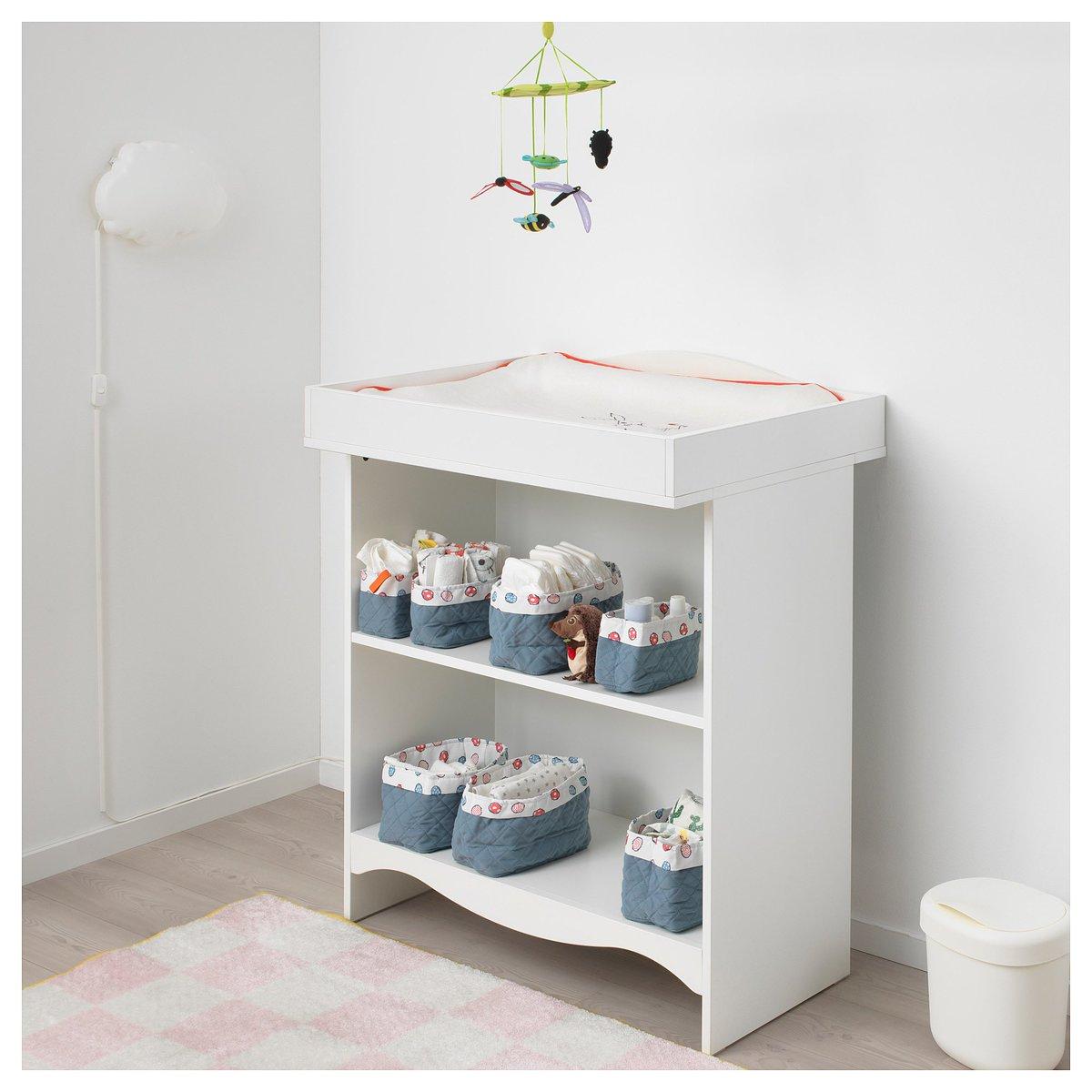
Dedicated changing tables are attractive, but they’re often unnecessary. Most babies are only comfortably changed on them for a short window, roughly the first three months, before they start rolling and getting squirmy. A waterproof changing pad you can place on a dresser, bed, or sofa is far more practical: portable, easy to clean, and great for travel. Pair it with a small diaper caddy so wipes, nappies and cream are within arm’s reach. If you really want a table, pick a sturdy dresser-top changer with straps. And never leave your baby unattended during a diaper change.
No Need for a Fancy Infant Bathtub
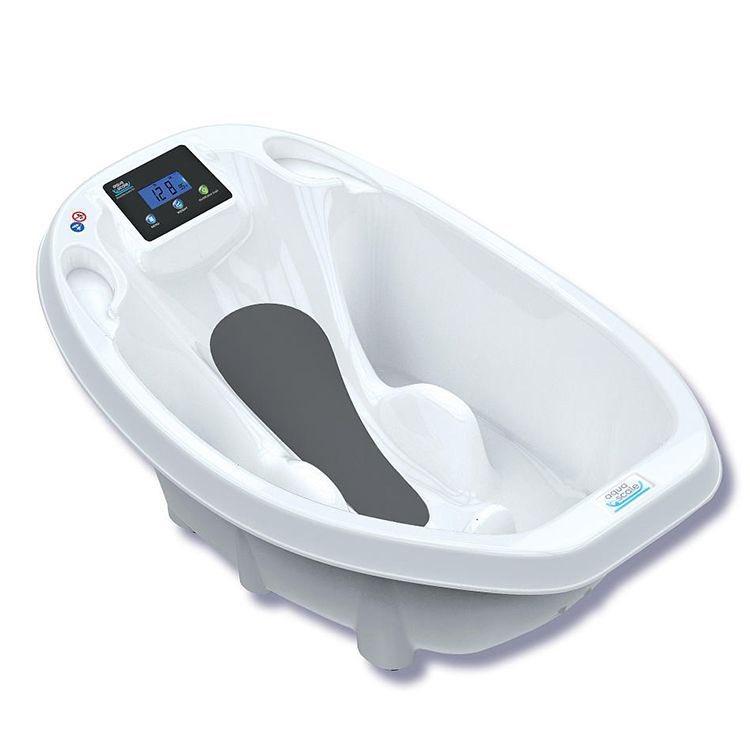
Expensive infant bathtubs with temperature displays and fancy inserts are more marketing than necessity. A simple baby tub plus a soft infant insert or support is perfectly adequate for newborn baths, and many parents use a clean kitchen sink in the early weeks. Rely on your wrist or elbow to test water warmth rather than gadget readouts, keep the water shallow, and always support your baby’s head. Never leave the baby unattended in water, and use gentle soap sparingly. A compact, easy-to-store tub and a soft towel will cover all your bath-time needs without the premium price tag.
Don’t Rush Into Hi‑Tech Rockers
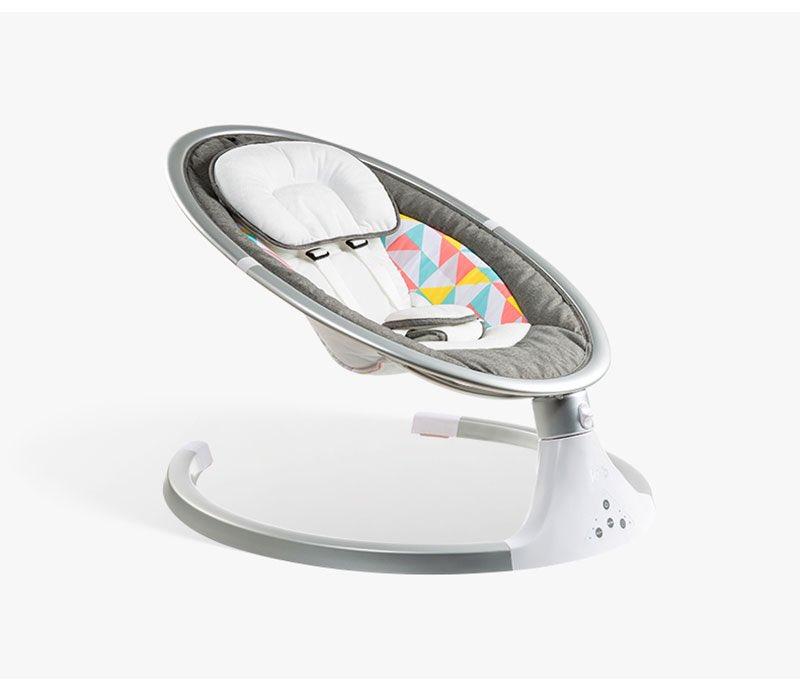
Hi‑tech electric rockers promise hands-free soothing, but babies can be unpredictably picky. Many parents buy expensive models only to find their baby prefers being held or lightly rocked by hand. Before splurging, borrow one from a friend or try models in-store. Affordable manual rockers, bouncy seats, or babywearing often work just as well and are more versatile. Consider resale value too, high-end gear that isn’t used becomes dead weight. If you do buy an electric rocker, check the safety harness, weight limits, and power requirements, and never leave a child unattended while using it.
Save on Booties , Socks Are More Practical
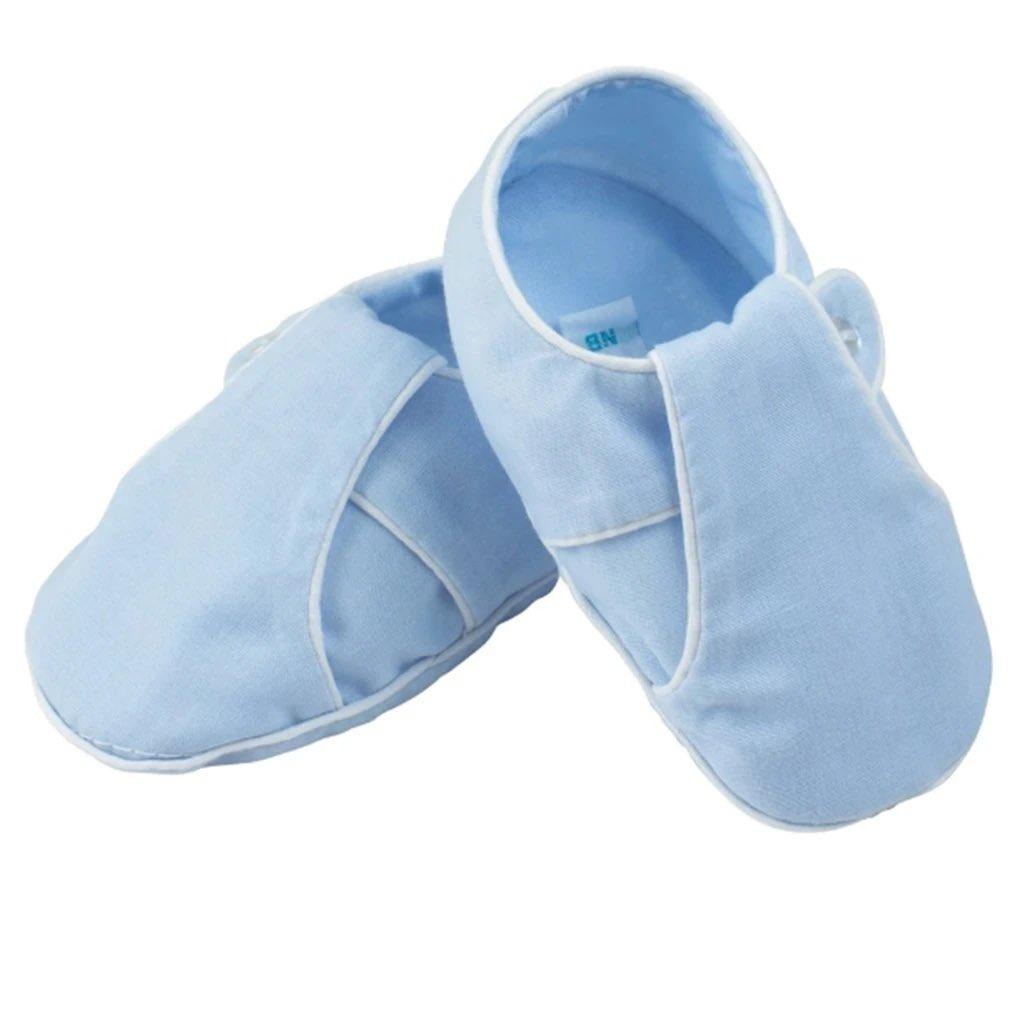
Baby booties are undeniably cute, but they’re mainly for photos. Newborns don’t walk, and booties frequently slip off; you’ll find socks and footed sleepers much more practical. Choose breathable, machine-washable fabrics and avoid buying many sizes, tiny feet grow fast. If you want a pair or two for newborn photos or special occasions, that’s fine, but don’t stock up. For colder outings, opt for insulated footed pants or a stroller footmuff instead. Practical, easy-to-use footwear keeps your baby comfortable without adding clutter or wasting cash on items that get little real use.
Bibs: Useful Later, Not Always Now
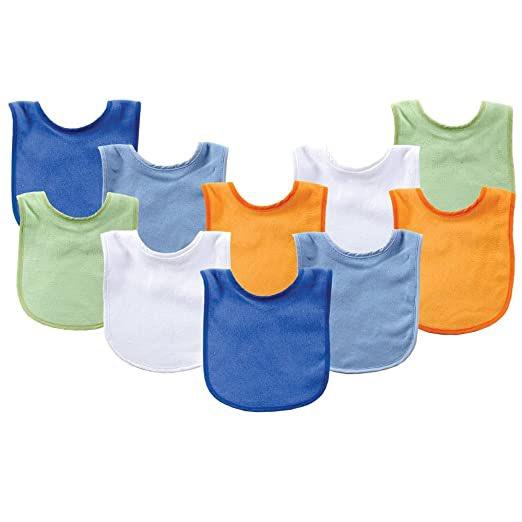
I bought a pile of newborn bibs I rarely used. Newborn spit-up usually happens during burping, so muslin burp cloths are far more useful for cleanup than a stack of bibs. Bibs become important later when solids arrive, but for the first months, simple cloths and extra onesies keep you covered. Also keep in mind bibs aren’t safe during sleep, never leave a sleeping baby wearing a bib. If you do want bibs, pick a few absorbent, easy-to-wash styles and rotate them. Keep burp cloths at feeding areas and in your diaper bag for quick access.
Blankets: Cut Back and Prioritize Safe Sleep
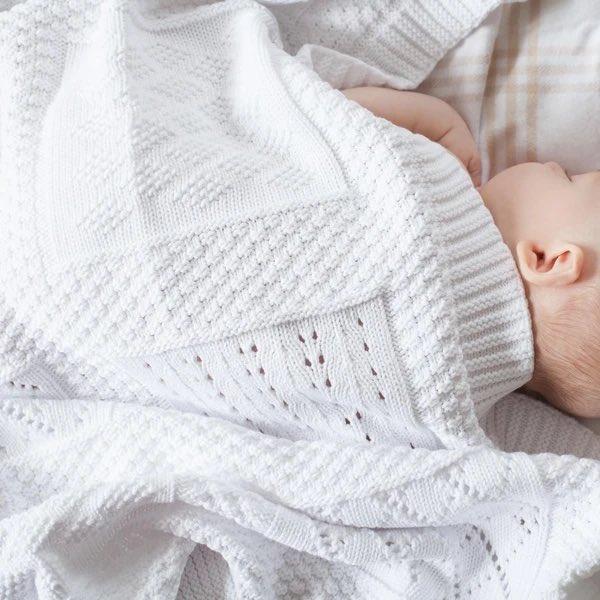
Blankets are tempting because they’re soft and photogenic, but loose bedding increases SIDS risk, so avoid them in the crib. Use swaddles for newborns or wearable blankets/sleep sacks designed to keep babies warm without loose fabric. For cuddles and photo ops, one or two pretty blankets are fine, but don’t crowd the sleep area with pillows, toys or extra bedding. Dress your baby in layers appropriate to room temperature and aim for a comfortable, breathable sleep environment. Prioritise safety-first sleep practices: back to sleep, firm mattress, fitted sheet only.


sildenafil precio
sildenafil precio
antibiotics online purchase
antibiotics online purchase
sertraline 100mg price
sertraline 100mg price
oracea
oracea
lasix medicine for heart
lasix medicine for heart
esomeprazole magnesium 20 mg capsule
esomeprazole magnesium 20 mg capsule
viagra hat
viagra hat
cenforce 200mg vs viagra
cenforce 200mg vs viagra
semaglutide vs tirzepatide gi side effects
semaglutide vs tirzepatide gi side effects
topiramate uses in hindi
topiramate uses in hindi
ozempic doses schedule
ozempic doses schedule
metronidazole side effects with alcohol
metronidazole side effects with alcohol
metronidazole 400mg when pregnant
metronidazole 400mg when pregnant
cialis 5mg picture
cialis 5mg picture
ivermectin strongyloidiasis therapy
ivermectin strongyloidiasis therapy
minoxidil foam vs liquid safety profile
minoxidil foam vs liquid safety profile
PDE5 inhibitor cost comparison
PDE5 inhibitor cost comparison
avanafil contraindication safety notes
avanafil contraindication safety notes