
When I first became a dad I wish someone had handed me a simple roadmap. Early on, your best move is to support the magic — the mom. She’s doing the heavy emotional and physical work; your job is to be useful, steady, and practical. The single biggest change for me was mastering baby carriers. Walking the kids in a carrier gave mom a break, let me bond with them, and reliably helped them nap. Babies face inward for roughly six months, then start to look out. Practice putting the carrier on BEFORE you need it — they can be fiddly. Be calm, helpful, and present.
Support the Magic: Back the Mom Early On

When I first became a dad I wish someone had handed me a simple roadmap. Early on, your best move is to support the magic , the mom. She’s doing the heavy emotional and physical work; your job is to be useful, steady, and practical. The single biggest change for me was mastering baby carriers. Walking the kids in a carrier gave mom a break, let me bond with them, and reliably helped them nap. Babies face inward for roughly six months, then start to look out. Practice putting the carrier on BEFORE you need it , they can be fiddly. Be calm, helpful, and present.
Put Down the Phone and Play: Your Imagination Matters
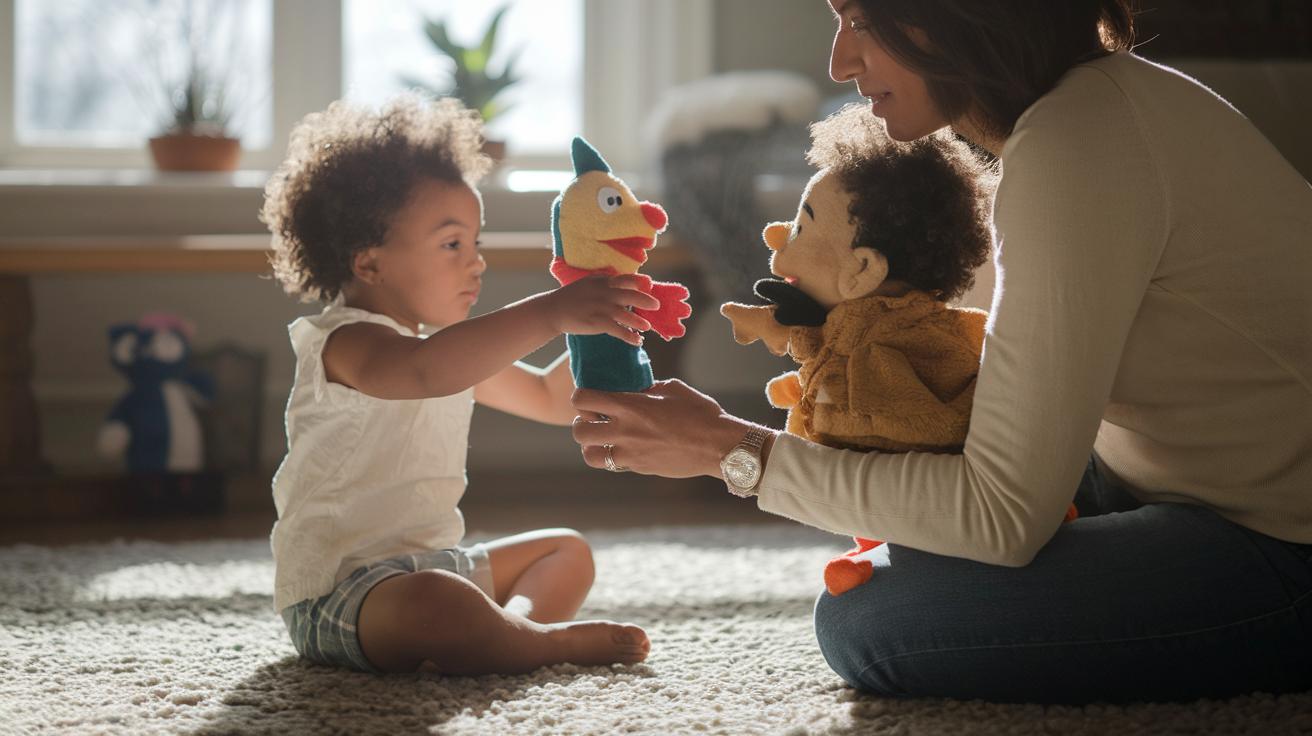
Get ready to play. Seriously: set the phone down and rediscover your imagination. You don’t need screens to make magic happen , simple, silly interaction builds attachment fast. Even on your most tired days, resist saying you’re too tired to engage. Short, focused play bursts , five to ten minutes repeated several times a day , create deep bonds and teach language, turn-taking, and emotion regulation. Use puppets, books, household items, funny voices, or just faces. Mirror what they do, name the world, and take turns. Play rewards you with love, purpose, and a happier household.
Make the Living Room Your Safe Gym: Use Mats from Day One
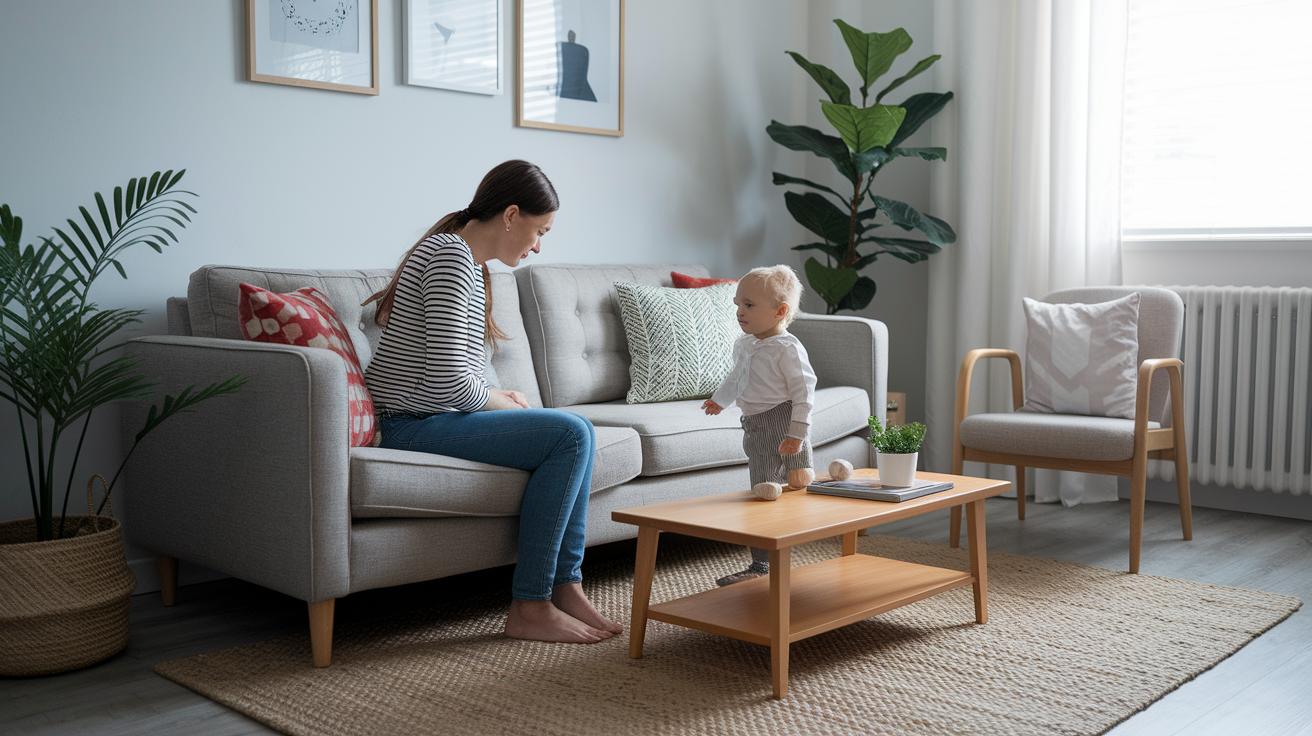
Turn your living room into a safer play zone by adding gymnastics-style mats. Push couches to the perimeter, remove the coffee table, and lay down thick, non-slip mats so little ones can crawl, roll, and toddle with fewer bumps. Padded floors reduce fear, encourage movement, and make supervision easier , and they cut down screen time by making active play convenient. You can use mats from day one for tummy time through early mobility. Choose wipeable materials, avoid sharp edges, anchor rugs, and supervise actively while allowing risk-managed freedom. That safe space accelerates motor skills and confidence.
Add a Ramp Mat for Climbing, Jumping and Rolling
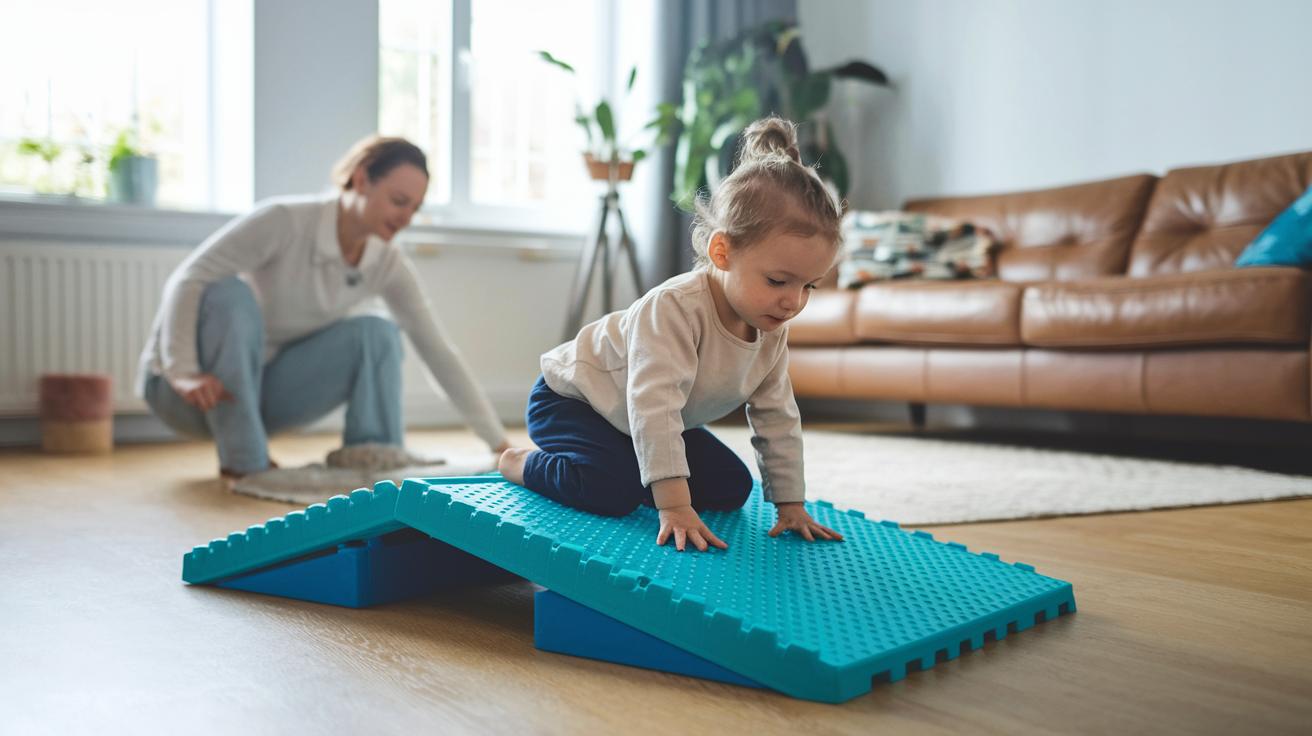
As toddlers hit ages two and three, a rectangular mat that folds into a ramp is invaluable. This simple piece becomes a climbing and landing station: crawl up, slide down, jump, practice controlled landings, and roll safely. Those movements build coordination, balance, spatial awareness, and judgement. Pick dense foam with a wipeable cover and a secure hinge that stores upright when not in use. Start with guided demonstrations, then encourage independent exploration. The ramp turns living-room play into a soft obstacle course that develops physical literacy while keeping things fun and screen-free.
Hang Something: Rings, Swings and Grip Work
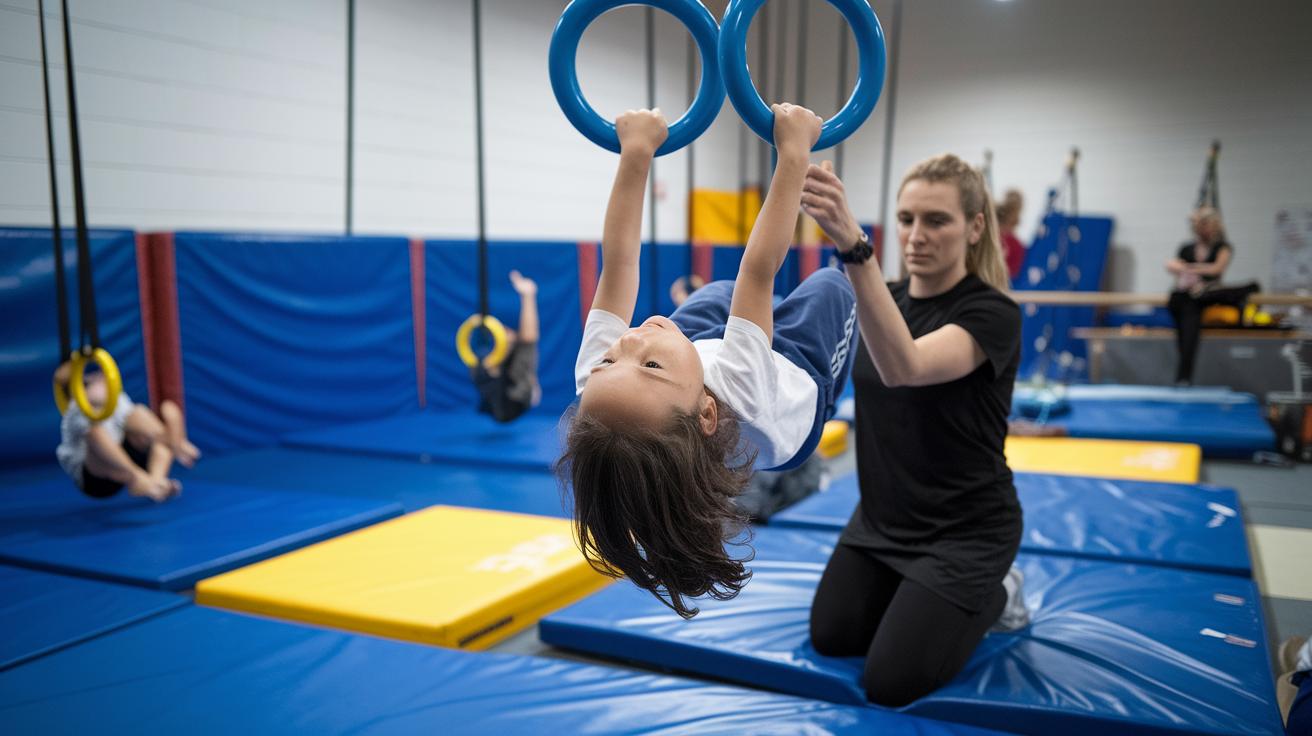
Add something to hang from , soft rings, a low bar, or an indoor swing , to develop grip strength, shoulder stability, and vestibular balance. Hanging and gentle swinging teach body awareness, timing, and core engagement in play. Mount gear low over mats, use rated hardware, and supervise every session. Start with supported holds and very short durations, then progress as confidence grows. Even a fabric loop or toddler-safe rings promote pulling, reaching, and coordination that pay dividends in crawling, climbing, and playground skills. Prioritize safety checks and let the fun build functional strength.
Prioritize Outdoor Time: Structure Your Day Around the Outdoors
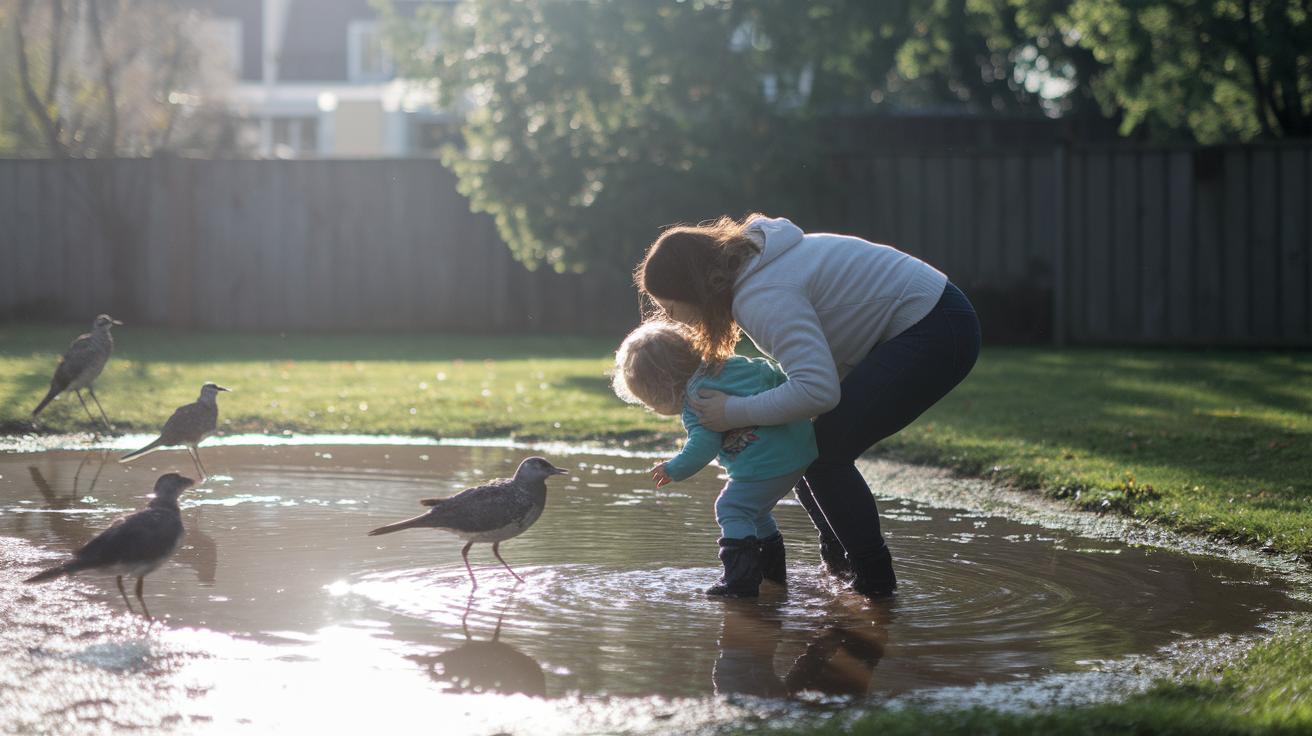
Structure your day so going outside is a priority. Fresh air, sunlight and open space improve mood, sleep, and natural movement patterns. Aim for at least one intentional outdoor window each day , a morning walk, an after-nap park stop, or backyard play before dinner. Dress for the weather, bring a snack and spare clothes, and let little ones lead investigations: puddles, sticks, stones and birds are learning labs. Outdoor time reduces meltdowns, boosts stamina, and gives sensory experiences screens can’t. If you combine a living-room play zone with regular outdoor windows, you’re giving your kids a huge head start.


