Nursery
Nursery Temperature Control Essentials: Pure Baby Bliss
By Anna Watts
October 5, 2025
Field Notes
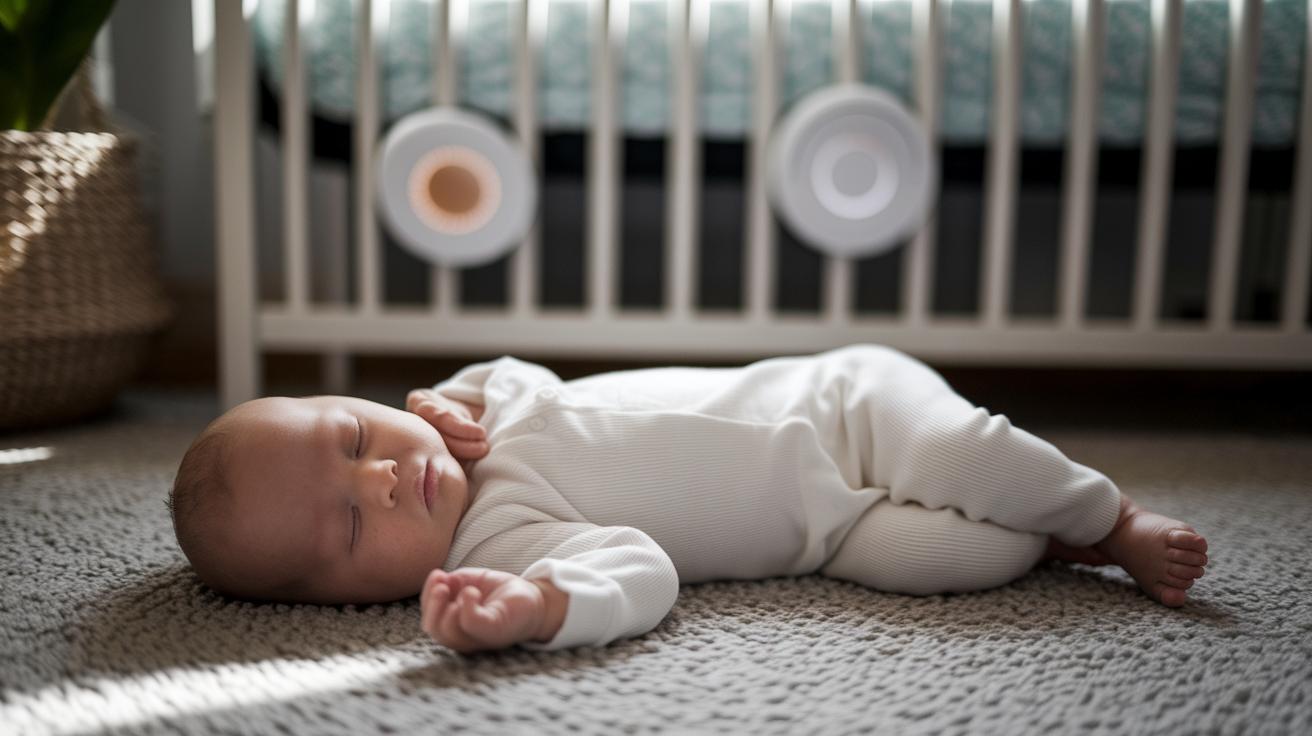
Have you ever noticed how a small change in temperature can make a big difference in your baby’s sleep? Keeping the nursery just right isn’t only about keeping your little one comfortable, it’s also important for safe sleep and a happy baby. When the room stays between 65 and 72°F, it creates a gentle sleep zone that helps ease your worries.
In this article, you’ll see how simple tweaks to your nursery’s climate can turn bedtime into a warm, secure cuddle, making your nightly routine feel extra special.
Achieving Optimal Nursery Temperature Range
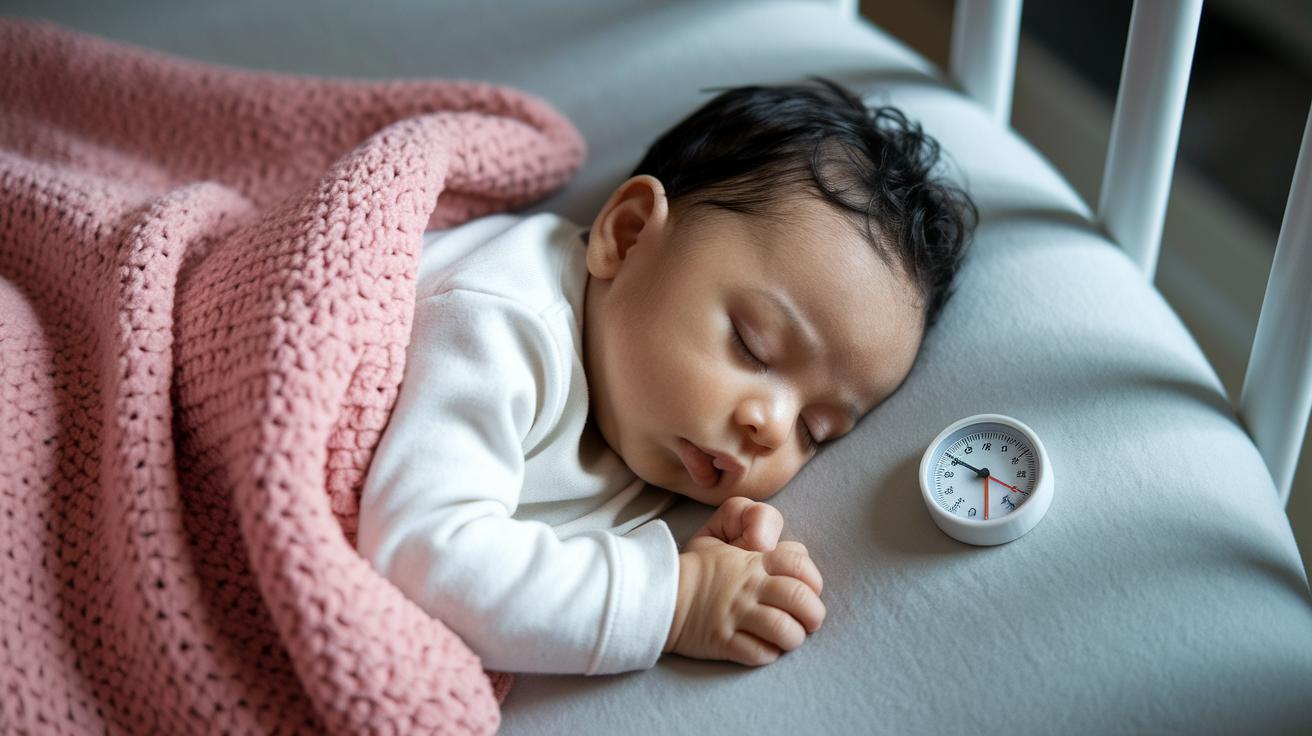
Keeping your baby's room between 65 and 72°F (18 to 22°C) is really important for safe sleep. Experts suggest aiming for a cozy 68 to 70°F (20 to 21°C) along with a comfortable humidity of 30–50%. This careful balance helps prevent overheating or feeling too cold, which is key since babies aren’t as good at regulating their body temperature. Imagine your little one snug in soft pajamas with just a light blanket for warmth, no extra layers that might cause sweating. It’s like setting up a gentle, perfect sleep zone.
It might seem like a lot of details, but getting the room just right really makes a difference. When it’s too warm, a baby can get sweaty and fussy, while a chilly room might lead to frequent wake-ups. In warmer months, try to keep the room steady around 68–69°F to help your baby stay cool. Then in winter, layering snug sleepwear with breathable fabrics can hold in the right warmth. Sometimes, a quick check on a digital thermometer makes you feel like you’re wrapping your baby in a calming little cocoon. Isn’t it nice to know that a few small adjustments can make bedtime so much more peaceful?
Devices for Nursery Temperature Control: Thermostats, Heaters, and Fans
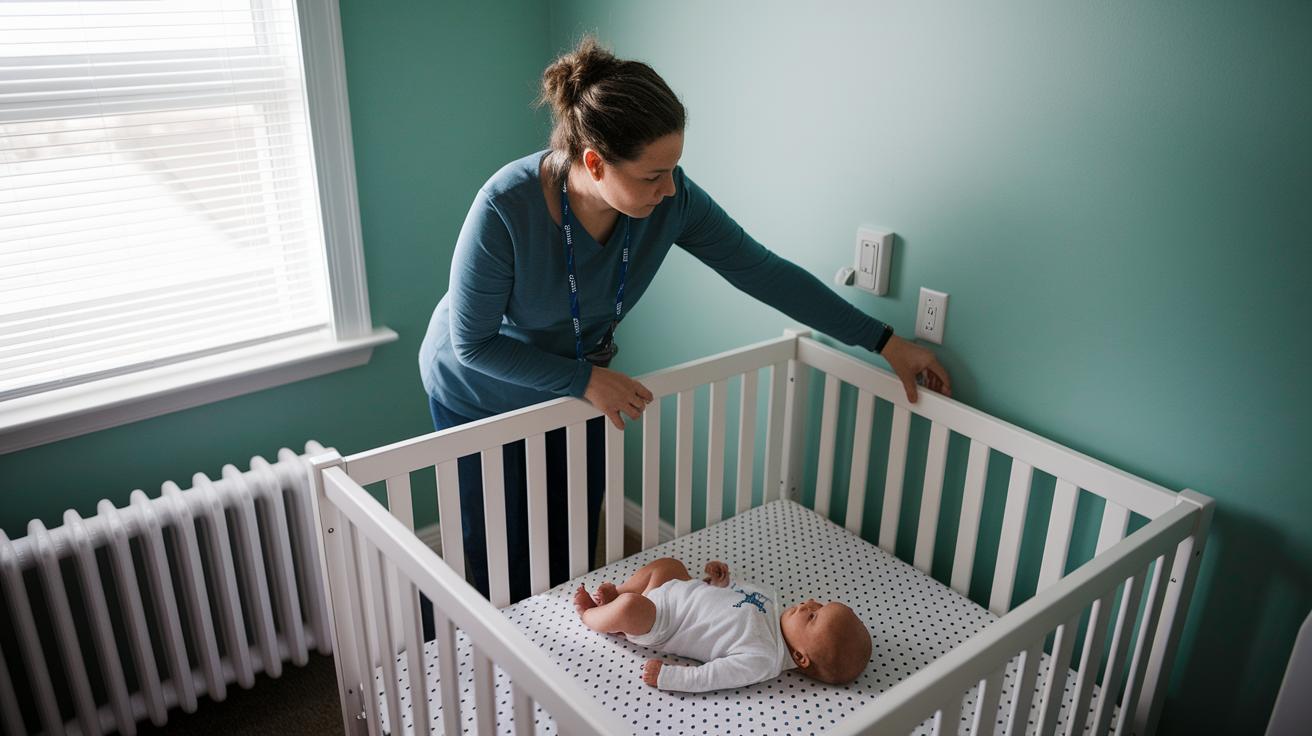
Digital thermostats make keeping your nursery cozy so much easier. You can set schedules and adjust them from your phone. Imagine checking on your baby’s comfy room even when you’re not home. One parent said, "I changed the thermostat at work and knew my little one was snug all day."
Picking the right space heater is important too. Look for one with tip-over protection and an automatic shut-off feature. These safety touches help prevent accidents when little hands and curious feet are around. And remember, keep the heater at least 3 feet away from the crib to avoid any direct heat that might disturb your baby's sleep.
Oscillating fans are another helpful tool. They gently circulate the air in the nursery, making sure it stays even without blasting cold drafts right onto the crib. Just position the fan so it moves the air around without creating a direct stream that might wake your sleeping baby.
And here’s a neat trick: integrating these devices with a smart HVAC system can boost efficiency. These systems tie your nursery thermostat into your home’s overall climate, which might even save up to 10% on energy bills. It’s like crafting a peaceful, secure sleep haven where your baby can drift off in perfect comfort.
Monitoring Nursery Temperature with Digital Sensors and Smart Climate Devices
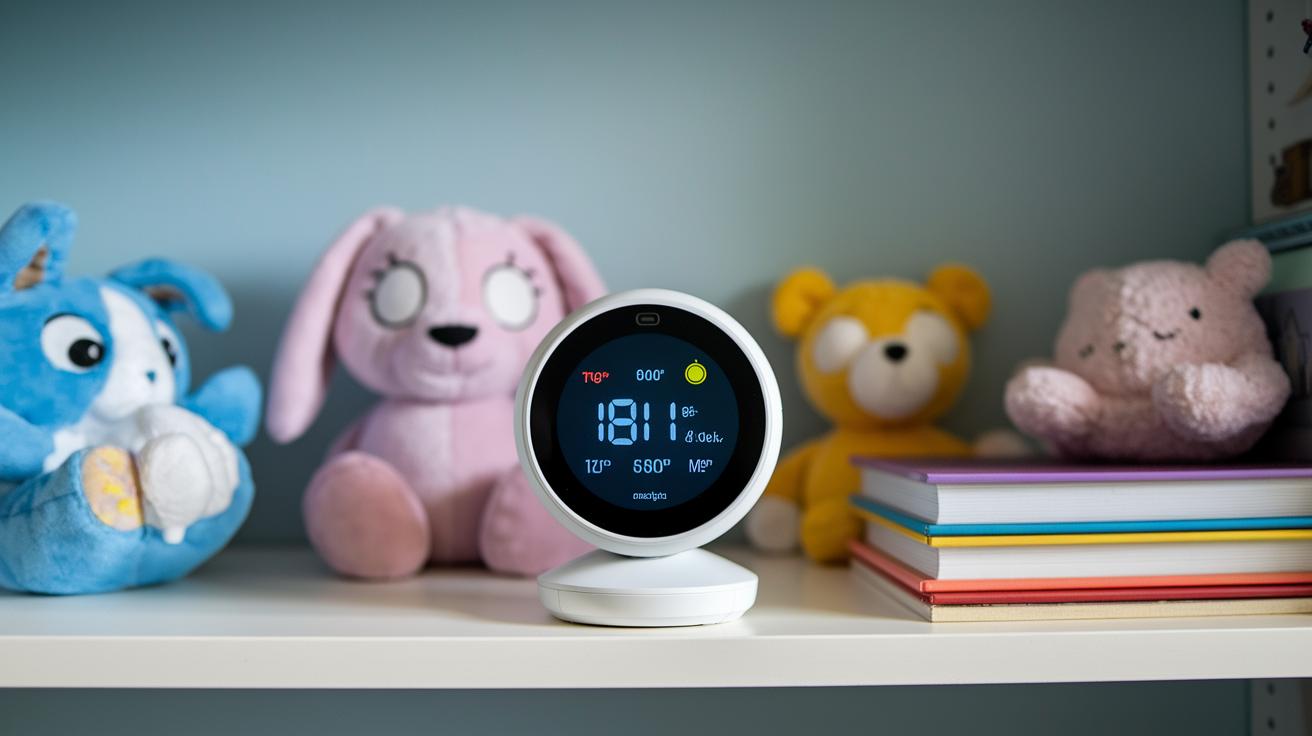
Nowadays, taking care of your baby’s room temperature is almost a breeze. Many baby monitors now include built-in sensors that track temperature and humidity in real time. It’s like having your very own mini weather station right in your nursery. And sometimes, these monitors even notice tiny breathing changes that could mean your little one is feeling too hot or too cold.
Smart climate sensors add another layer of help by linking up with your home assistant. You could get a quick alert right on your phone if the room temperature moves away from that perfect cozy range of 68-70°F (20-21°C). I remember one parent telling me, “I was asleep when my phone buzzed, letting me know the room had warmed up a bit. I could fix it immediately.” That kind of reassurance really makes a difference.
These devices also keep track of temperature data over time. This means you can watch for patterns that help you tweak the settings to keep your nursery just right. It’s a handy way to ensure your baby has a safe sleep environment based on trusted guidelines found in resources like the safe sleep guidelines for infants.
By mixing smart technology with simple care, digital sensors make it easier than ever to create a comfortable nursery. It’s all about making sure your baby feels safe and snug every day.
Crib Ambiance Safety Tips for Nursery Temperature Stability
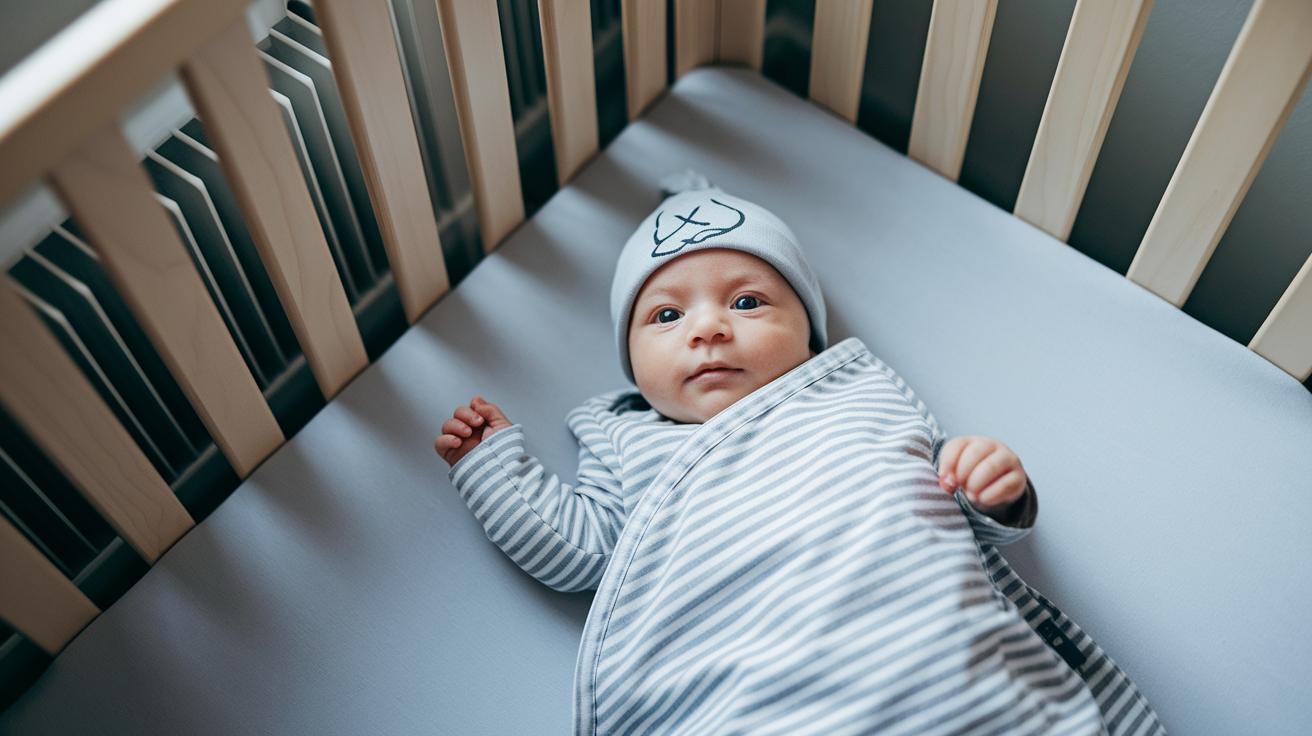
When setting up your baby’s crib, pick a spot away from heaters, A/C vents, and direct sunlight. Think of it as choosing the snug corner where your little one can snooze without any disturbances. Resources like Choosing The Right Crib For Your Nursery: Ideal offer extra tips to help you feel reassured.
Keep any portable heaters at least 3 feet out of reach from the crib. This small change can make a big difference in keeping the room at a steady temperature. Instead of using loose blankets that might cover your baby’s face, try a lightweight sleep sack that gives a cozy, safe warmth.
For fresh, gentle airflow, use a ceiling fan on low or crack open a window carefully, making sure the direct breeze isn’t blowing right on the crib. Blackout curtains or blinds can also help by keeping out too much morning heat. And if you need more ideas, check out Safety Essentials For Baby Nursery: A Bright Start for additional smart tips on creating a safe, comfortable sleep space.
Energy-Efficient Nursery Insulation and Warmth Solutions

If you want to keep your baby’s room warm and cut down on energy bills, start by sealing up any gaps around windows, doors, and outlets. Using weatherstripping or draft stoppers helps stop that sneaky chill from slipping through. Imagine feeling a cool draft on a crisp evening and quickly fixing it, it’s like wrapping your nursery in a gentle, cozy hug.
Next, consider hanging thermal-lined curtains. They can reduce heat loss by about 25% while giving the room a calm, inviting look. Picture drawing the curtains at dusk, creating a snug space, almost like tucking your little one in with a warm, soft crib sheet.
Boosting the insulation in your child’s room is another smart move. Adding extra insulation in the attic and exterior walls works all year long, keeping winter’s chill out and summer’s heat away.
Switch out your old HVAC filters for high-efficiency ones and set up a schedule for yearly maintenance. This simple step not only saves energy but also keeps your baby’s room steady and comfortable.
Also, changing your bedding with the seasons makes a big difference. In winter, choose a thick, cozy crib sheet, and when it’s warmer, go with breathable cotton to help the air flow nicely.
And if you ever wonder what else you can do, consider a professional energy audit. Sometimes a little expert advice can turn your nursery into a perfect haven of baby bliss.
Troubleshooting Nursery Temperature and Humidity Fluctuations
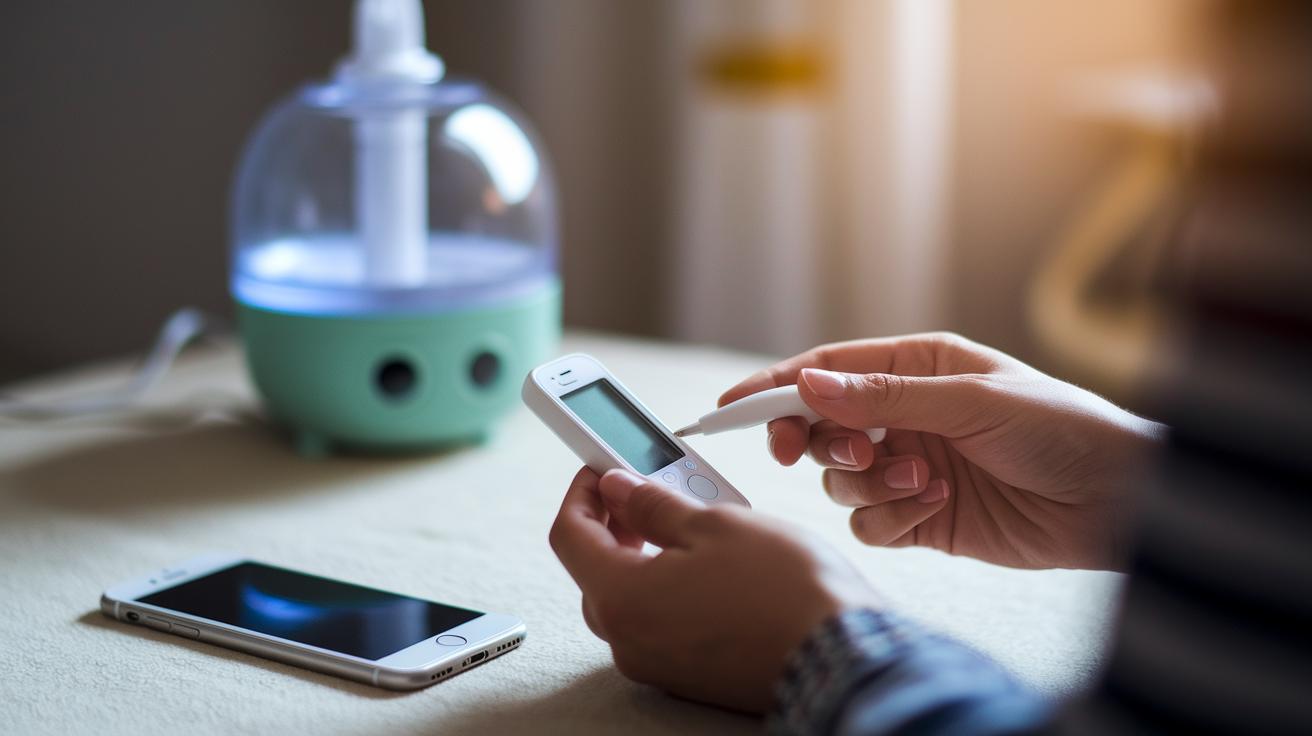
Sometimes your nursery might feel a bit off, with sudden changes in temperature or humidity. In dry winter air, a humidifier can boost the moisture to above 30%, while a dehumidifier helps if things go over 50%. It’s a good idea to check your digital thermometer often, calibrate it and swap out batteries every month to keep each reading spot-on.
If you notice the temperature jumping more than 5°F in an hour, it might be time to check your insulation and the seals around doors and windows. A quick look can reveal gaps that let in unwanted temperature changes. Keeping a simple log for HVAC filter swaps and device battery changes makes tracking these details much easier.
For your baby’s comfort, dress them in a single layer of sleepwear and watch out for signs of sweating or shivering. These little cues can help you know if the room is too warm or too cold. Balancing your heating and cooling tools with gentle adjustments goes a long way in creating a cozy space.
Try these steps:
- Check and calibrate your digital thermometer every month.
- Use a humidifier in dry weather and a dehumidifier when humidity is too high.
- Inspect your insulation if you see temperature changes of more than 5°F in an hour.
- Keep logs for HVAC filter changes and device battery swaps.
Taking these simple measures can help keep your nursery safe and calm, making it a warm haven where your baby can rest comfortably.
Final Words
In the action, this blog outlined safe temperature ranges and smart fixture choices to keep your nursery just right. We talked about using digital sensors, proper crib placement, and even energy-saving insulation tips. Each section was designed to empower you with practical advice.
By relying on trusted nursery temperature control essentials, creating a cozy, secure space for your little one becomes simpler and more cost-effective. Enjoy the process and rest easy knowing you're offering comfort and safety every step of the way.
FAQ
How to regulate nursery temperature?
Regulating the nursery temperature means using reliable tools like digital thermostats, heaters, and fans. These devices help keep the room in the safe range for your little one.
Is 72 degrees too hot for a baby room?
A room set at 72°F is acceptable when paired with proper humidity and ventilation. This temperature falls within the recommended range when monitored closely for overall comfort.
How to tell if a room is too cold for a baby?
A room may be too cold if your baby shows signs like shivering, increased fussiness, or difficulty sleeping. Using a digital thermometer can help you track and maintain a safe temperature.
What is the ideal temperature for a baby nursery?
The ideal temperature for a baby nursery is typically between 65°F and 72°F, with many experts preferring around 68°F to 70°F, ensuring a cozy and safe sleep environment for your child.