
Have you ever wondered what happens when a little one needs more than just the basics? When parenting only covers food, shelter, and clothes, it misses out on that extra warmth that helps build self-confidence and sparks curiosity. Imagine a child coming home full of questions, but without a smile or a gentle word waiting. Today, we explore how this style of parenting affects kids and share ways to help them grow into bright and strong individuals.
Defining Uninvolved Parenting: Characteristics and Overview
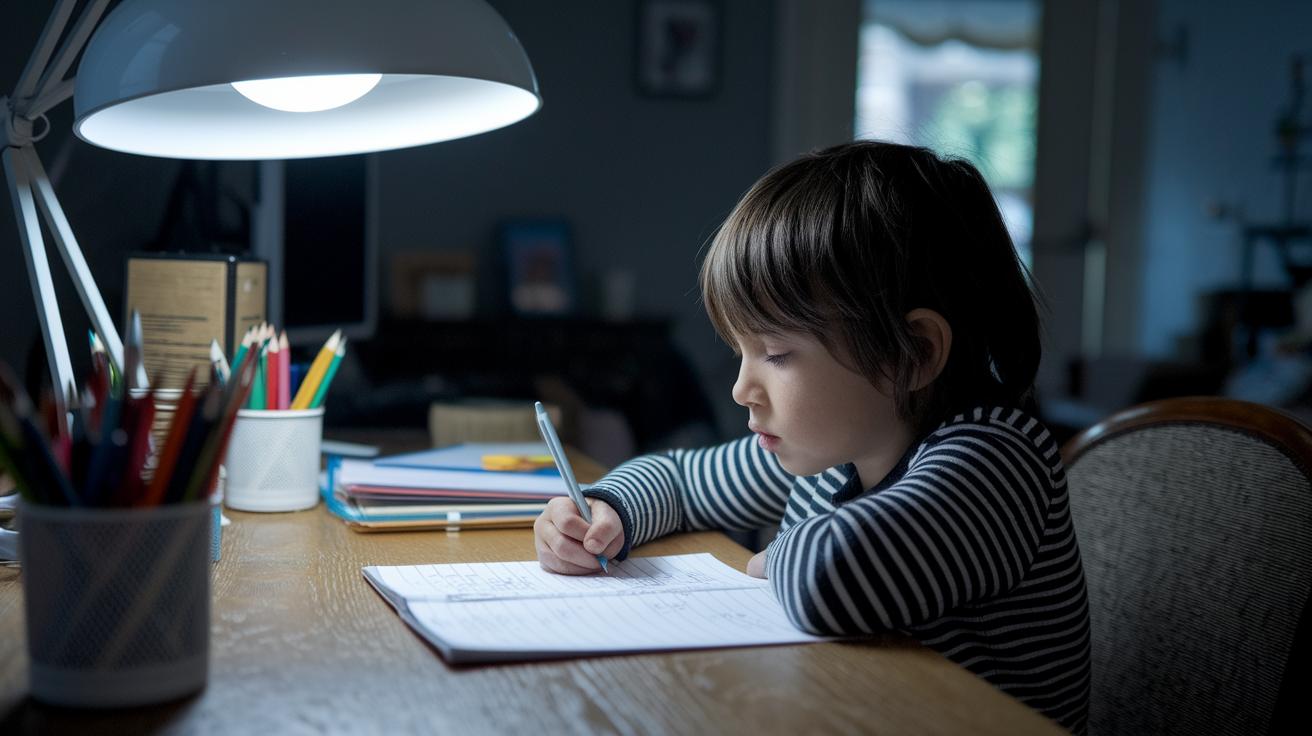
Uninvolved parenting means that parents give only the bare essentials, like food, shelter, and clothing, and not much else. They rarely offer the warmth or extra attention that helps a child grow emotionally and learn new things. It’s like a routine that only fills basic needs without any extra care.
Imagine coming home from school with a question and finding no one there to chat about it because your parent is wrapped up in their own world. Some parents end up repeating the care they once got, not even realizing that their little one might feel lost. Kids in these homes often have to solve problems all by themselves, without much help or encouragement.
This way of parenting isn’t just about being physically absent. It’s also when a parent doesn’t notice or respond to a child’s feelings or needs. Without warm talk and cheers along the way, children might struggle with self-confidence and even simple problem-solving skills. There isn’t much supervision or clear boundaries, so every day feels like guessing what to do next.
Key features of uninvolved parenting include:
- Basic needs are met, but there’s little extra care.
- Support for learning and social skills is inconsistent.
- Guidance is scarce when everyday challenges come up.
In these situations, kids may miss out on experiences that help them become strong and resilient.
uninvolved parenting: Shaping Bright Child Futures

Sometimes, parents repeat what they experienced as children. They try to give their kids lots of independence, thinking that exploring on their own builds strength. But then, their own busy lives take center stage. Imagine a parent caught up in work stress, missing that tiny moment when their child seeks a warm smile or a gentle nod while pointing at a bright toy.
There are many reasons for this kind of parenting. Often, it’s simply a case of mimicking the style they grew up with. Some believe extra freedom really does make kids more self-reliant. And then, personal struggles like work stress, money troubles, or health issues may leave little energy to reach out emotionally. With so much on their plate, it's easy to overlook the deeper, day-to-day nurturing a child needs.
When parents are preoccupied with their own problems, the warmth that helps a child grow might fade away. Kids can be left to figure things out on their own, which could affect how they connect with others and handle feelings. Even a small effort to become more aware and engaged can start to change things. With just a bit more connection, those little moments can add up to a brighter, more balanced future for the child.
Identifying Traits and Warning Signs of Neglectful Care
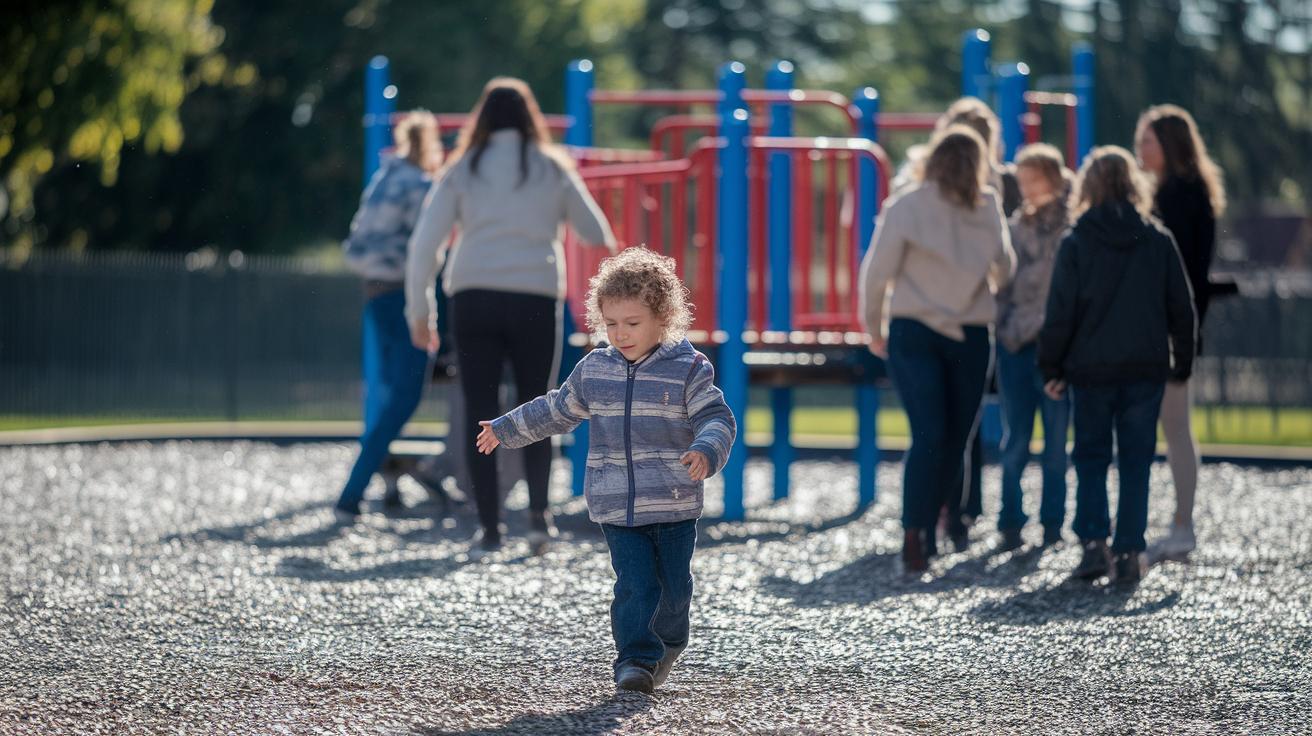
Earlier, we talked about how uninvolved parenting shows up through things like little supervision, fuzzy rules, and missed chances to meet a child’s emotional needs. New research shows these habits can really affect a kid’s social life and school performance later on. One study even found that kids lacking warm support scored 12% lower on tests measuring how they interact with peers. Think about it, a child might hesitate to join in group play because they’re not used to getting gentle, encouraging feedback.
Stories from families reveal that these behaviors can leave kids unprepared for everyday challenges. A child might seem pretty independent on the surface, but deep down, they can struggle with self-esteem and problem-solving as they grow older. This can make it tougher for them to build trusting relationships later on.
Here are some other warning signs you might notice:
- Not enough daily watchfulness, which might put a child at risk.
- Family routines that change too often, leaving boundaries unclear.
- A child’s attempts to share feelings or ask for help that get brushed off.
- Inconsistent or missing support when kids face social or school challenges.
Even though these signs might seem small at first, they can add up over time. Slowly, a child’s sense of security and confidence can start to fade, leaving them feeling more alone in the world.
Psychological and Developmental Impacts on Children
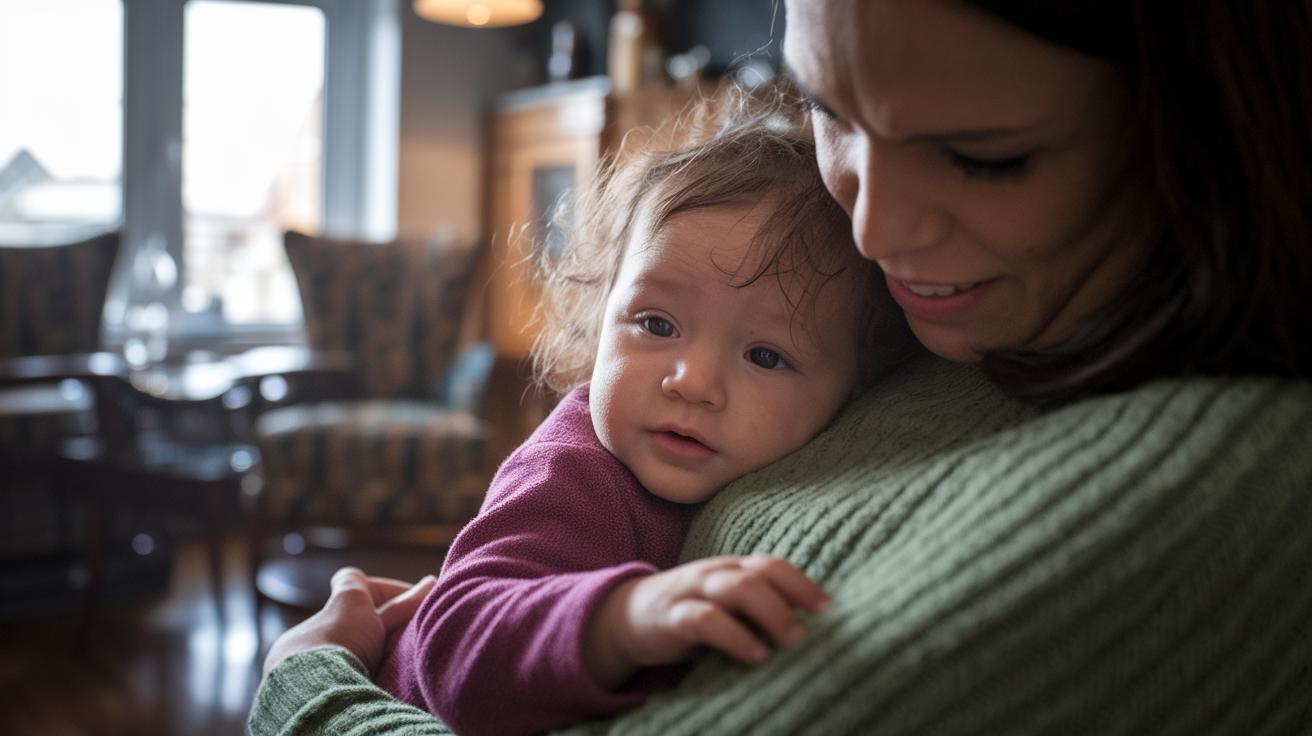
Infants and toddlers growing up in homes where they don't get enough loving attention can experience changes in how their brains develop. Without plenty of gentle hugs and soft, soothing sounds, their little brains may form differently. Picture a toddler who mostly gets just a quick glance; that early lack of a warm connection can set them up for trouble understanding their feelings later on.
Kids at school notice this too. When there isn’t someone around to guide them through everyday challenges, they might feel lost or unsure about solving even simple problems. Imagine working on homework without anyone to cheer you on or explain things step by step. Over time, missing that supportive push can chip away at a child’s confidence and make handling school and social situations even harder.
By the time children become teenagers, the impact of not receiving steady care grows even more noticeable. Teens without clear boundaries or consistent love may feel very isolated, leading them to act out in rebellious or defiant ways. Think of a teen who, feeling ignored, turns to aggressive or disruptive behavior just to feel seen, even if it ends up pushing people further away. Those early missed moments of connection can leave a lasting mark, making it tougher for them to trust and build strong relationships later in life.
Overall, missing out on care early on echoes throughout a child's life. The effects of emotional distance can show up immediately and linger for years, affecting everything from problem-solving skills to self-esteem, and sometimes even leading to risky behaviors. Every little hug and kind word matters. Each missed chance to connect can ripple into challenges that extend far beyond childhood, reminding us how important nurturing care is at every step.
Uninvolved Parenting Versus Other Parenting Styles
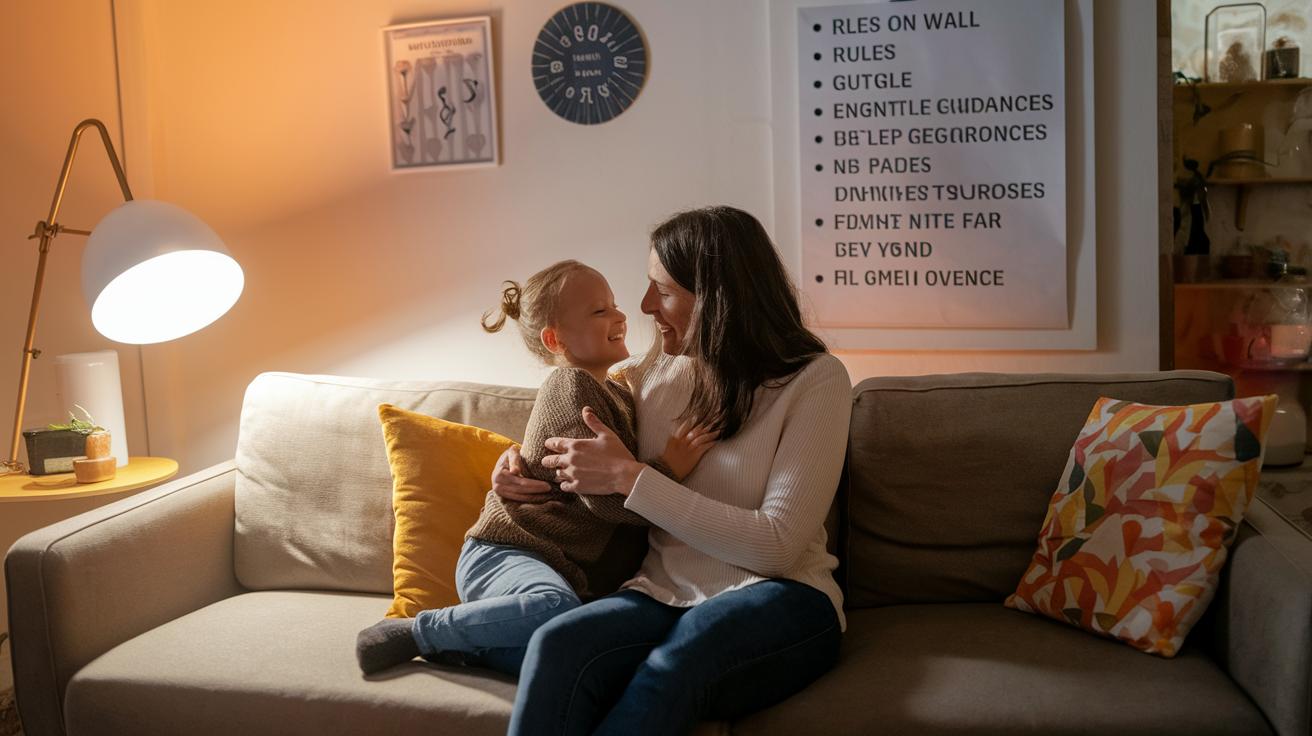
Imagine a home where every choice is made with warmth and clear expectations. With authoritative parenting, kids get both loving support and steady guidance that makes them feel safe. On the other hand, authoritarian parenting relies on strict rules and discipline without much of that heartfelt comfort. Permissive parenting gives little ones plenty of freedom, yet it might not offer the structure they need to learn healthy boundaries. And then there's uninvolved parenting, it covers just the basics, like food and shelter, but it skips that extra tender care children need.
Think about it like this: in an authoritative household, a child might be encouraged to try new things because they know a supportive adult is right there to help. Here’s a surprising fact: a child in an uninvolved family might end up figuring out everything on their own, even when all the essentials are met. Without steady support, everyday challenges can feel like solving a puzzle with missing pieces.
Here’s a simple breakdown:
| Style | Description |
|---|---|
| Authoritative | Blends clear rules with warm, caring support. |
| Authoritarian | Emphasizes strict rules with little warmth. |
| Permissive | Offers lots of freedom but not enough structure. |
| Uninvolved | Meets basic needs with minimal emotional engagement. |
If you’re curious to learn more about these different parenting styles, check out this link: different parenting styles.
Real-Life Case Studies of Disengaged Upbringing

Looking at real-life examples, we see that children who don't get steady support at home often face serious hurdles later on. Community programs have helped more than 13,000 people in areas like BC and ON, proving that this challenge affects many families.
One example shared a story of a child who received very little care at home. This child had a hard time at school, ending up with lower grades and little interest in joining class activities. It really shows how even a bit of missing guidance can lead to big struggles.
Another story followed a teenager who didn’t have firm rules at home. Without a trusted adult to lean on, this young person started to pull away from friends and social settings. Struggling with school pressures and peer issues, they began showing signs of defiant behavior and minor conflicts, a pattern seen in many similar situations.
These examples remind us that when kids lack parental support, it can affect their school performance, social life, and overall behavior. They also show how important it is for children to have caring guidance that helps build their confidence, emotional stability, and problem-solving skills.
Strategies for Recovery and Enhancing Parental Engagement

Sometimes, busy families can feel stuck in a cycle where it seems like every day is just about getting things done, leaving little room for genuine connection. A great way to start is by talking to a professional therapist. A caring counselor offers you a chance to chat about past experiences and notice patterns that might be affecting how you care for your little one. For example, you might discover that taking a moment to really listen can help your child feel seen and safe.
Family therapy is another gentle option. It creates a warm space where both parents and kids can share their thoughts and feelings. How about setting aside a short time each week, maybe even a quick 10-minute talk over dinner, so everyone can mention one good thing that happened that day? This simple routine can help rebuild trust and deepen your family's bond.
Parent training programs can also be very helpful. These programs often break down everyday tasks into small, manageable steps. Picture learning straightforward techniques like praising your child’s effort during homework time, it makes daily routines feel a bit easier and more joyful.
Sometimes kids need their own support too. School counselors or social workers are there to lend an understanding ear when emotions run high. And if you think a little extra guidance could make a difference, consider teaming up with a parenting coach for personalized advice.
- Try to schedule regular family therapy sessions.
- Look into parent training classes that offer practical tips.
- Use school or community counseling resources to support your child’s feelings.
Even small tweaks in your daily routine can spark big, positive changes. These gentle shifts help build trust and can brighten your child’s future in ways you might not even expect.
Strategies for Recovery and Enhancing Parental Engagement
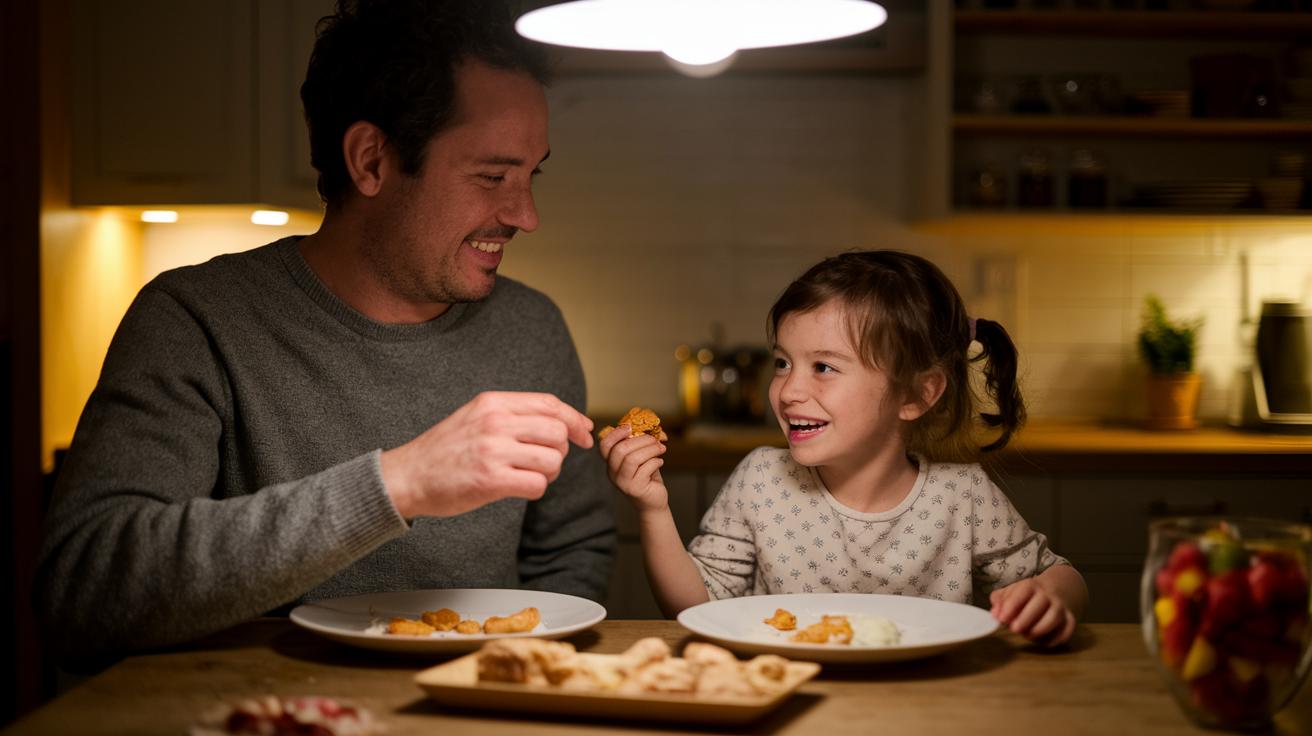
Experts have found that little changes, like sharing a snack or chatting about a fun moment, can bring families closer. These small, shared moments light up daily life and help build stronger bonds.
Programs such as family therapy, simple workshops, and mental health resources (services that support your emotional well-being) have shown real benefits for both parents and kids. Even brief, positive interactions each day make a difference.
Research tells us that taking just a few extra minutes to connect can boost feelings of closeness and lead to happier days, both at home and at school. Imagine sitting down at dinner and having a short, heartfelt conversation that brings smiles to everyone’s face.
Community and school-based programs offer hands-on tips that mix expert research with everyday habits. This blend of advice and real-life strategies helps rebuild trust and create a warm, connected home.
Final Words
In the action, the post covered the meaning of uninvolved parenting, shared its common traits and origins, and pointed out how little engagement can affect a child’s growth. It compared this style with other approaches and brought in real-life examples that help us see the challenges of low parental involvement.
We also explored recovery strategies and expert insights for moving toward a more connected, nurturing care. Every small step can lead to a positive change.
FAQ
Q: What are some uninvolved parenting examples?
A: Uninvolved parenting examples show situations where a caregiver provides only the basics like food and shelter, without offering guidance, emotional support, or consistent rules.
Q: What does uninvolved parenting do to a child?
A: Uninvolved parenting’s effects on a child include struggles with self-esteem, confusion about limits, and difficulties forming trust due to a lack of emotional connection.
Q: What are uninvolved parenting characteristics?
A: Uninvolved parenting characteristics include low responsiveness, minimal supervision, inconsistent or absent rules, and little emotional or developmental guidance.
Q: How does permissive parenting differ from uninvolved parenting?
A: Permissive parenting provides warmth with few limits, while uninvolved parenting shows little interest in both emotional support and setting clear guidelines.
Q: How does authoritative parenting differ from uninvolved parenting?
A: Authoritative parenting combines clear expectations with nurturing support, whereas uninvolved parenting meets only basic needs without emotional engagement or consistent guidance.
Q: What do parents share about uninvolved parenting on Reddit?
A: On Reddit, parents share personal experiences, ask for advice, and discuss the challenges of low engagement in child care, often highlighting feelings of isolation or guilt.
Q: How can one recover from uninvolved parenting?
A: Recovery from uninvolved parenting can start with family or individual counseling, joining support groups, and learning practical strategies to build a caring, consistent relationship.
Q: What is an example of a neglectful parenting style?
A: An example of a neglectful parenting style is when a caregiver only meets physical needs like food and shelter while overlooking the child’s emotional and developmental support.
Q: What are signs of neglectful parenting?
A: Signs of neglectful parenting include inconsistent rules, a lack of warmth, minimal supervision, and failure to respond to a child’s social or academic struggles.
Q: What is the 7 7 7 rule in parenting?
A: The 7 7 7 rule in parenting refers to a balanced approach where positive and corrective interactions are structured; though interpretations vary, experts suggest consulting a professional for guidance tailored to your family.


