
Have you ever noticed your teen’s quiet moments and wondered what they’re really thinking? Sometimes parenting feels like trying to crack a secret code, turning everyday talks into honest, heart-to-heart moments. When you take time out to listen and share, you show your teen that their feelings truly matter. Small, caring moments like these can turn daily challenges into chances to grow closer.
Parenting Teenager Advice: Building Trust Through Communication

Building trust is the cornerstone of real conversations with your teen. Honest talks create a safe space where feelings are shared freely. Every small moment where you show genuine curiosity helps build a strong, lasting bond.
When you listen with empathy and give your full attention, it tells your teen that their emotions matter. This kind of caring approach sets clear boundaries while nurturing trust. It’s a bit like sharing a quiet, honest chat with a friend, you truly hear each other.
Here are a few ideas to try:
- Have regular one-on-one check-ins
- Ask open-ended questions that invite sharing
- Validate their feelings before jumping in with solutions
- Share a little about your own experiences to show they aren’t alone in their struggles
- Agree on what should stay private and what can be shared
Using these everyday techniques can really transform your conversations. When you listen carefully and respond thoughtfully, your teen feels safe to talk about both challenges and victories. Over time, these honest check-ins not only build trust but also invite them to be part of important family decisions. This shared journey makes everyday conflicts easier to manage and helps nurture a supportive relationship that grows right along with your family.
Understanding Adolescent Behavior in Parenting Teenager Advice

During puberty, teens go through big changes. Their voices deepen, bodies shift, and sleep patterns change. These physical changes often come with mood swings, teens might feel irritable, tired, or extra sensitive. Recognizing this helps you offer the right kind of support as they adjust to growing up.
At the same time, your teen is starting to form their own ideas. They might begin questioning family rules and exploring what they believe. This new sense of independence can sometimes lead to rebellious behavior as they test boundaries. You might find that trying different parenting styles, like those outlined in helpful resources, can guide you through these changes.
In the end, understanding both the physical and emotional ups and downs of adolescence helps you provide care that truly resonates. It’s all about supporting your teen with kindness and empathy as they learn how to navigate their world.
Positive Discipline Methods for Parenting Teenager Advice

Positive discipline is all about guiding your teen with clear, steady rules. It’s less about punishing and more about teaching, helping you both build a respectful bond. Over time, this gentle approach can ease frustration and grow trust between you.
Start by sharing exactly what you expect from your teen. Lay out simple behaviors and match them with sensible consequences that fit their age. For example, set a curfew or decide on shared chores, and discuss these rules together. And when things don’t go as planned, skip the blame game. Instead, talk about what can be learned and how to handle similar situations next time. This way, your teen can think over their choices and feel more in charge instead of always getting criticized.
When it comes time to reinforce the rules, keep respect and warmth in mind. Even when you need to correct your teen, let them feel your understanding and care. A calm tone and gentle approach show that rules are there to guide, not punish. This supportive style helps your teen build inner strength and learn to bounce back from challenges. In truth, this kind of caring discipline sets the stage for their future success.
Fostering Independence and Responsibility in Parenting Teenager Advice

Giving your teen some room to choose helps them gradually build confidence and learn to rely on themselves. When you let them make small decisions within clear limits, you show that you trust them. This little bit of freedom teaches them to learn from both win and loss, so they’re more ready to deal with bigger challenges later. Have you ever noticed how letting your teen pick their own weekend plan or decide on chores makes them feel important and supported?
As teens grow up, their tasks should grow too. Younger teens might start with small jobs like managing a little budget, planning an easy meal, or setting up their own homework schedule. Older teens can move on to bigger tasks, like keeping a part-time job, sorting out their transportation, or helping with family errands. These everyday jobs give them real practice with important skills like managing time and money.
It’s good to check in with your teen regularly. A quick chat about how things are going, what they’re finding tricky, or what they’re proud of can really help. It lets you offer advice, praise their efforts, and adjust their responsibilities when needed.
Managing Conflict and Emotions in Parenting Teenager Advice

When disagreements arise, staying calm can truly set the stage for a peaceful resolution. Even when emotions run high, keeping a level head helps ease tension and shows your teen that even rocky moments can be managed with warmth and care. Sometimes, a gentle tone transforms a heated clash into a chance to really understand each other.
Listening closely is key during these times. Let your teen speak without interruption so they feel heard and valued. This caring approach not only helps you dig into the real reasons behind their feelings but also teaches them the art of good listening, a skill that strengthens your whole family’s bond.
- Repeat what you heard (for example, "You seem to feel…")
- Ask what solution they might have in mind
- Suggest taking a break or finding a compromise to cool off
- Come back to the issue when both of you are calm
- Acknowledge the positive conversation once you've worked things out
After a heated moment, rebuilding respect means keeping your word on any agreed steps and talking things through once emotions settle. Doing this shows your teen that conflicts can be worked through without blame, paving the way for more open and honest discussions later. This caring approach encourages them to name their feelings and join in finding solutions, helping you build a strong, loving connection that can handle even the toughest disagreements.
Digital Boundaries and Screen Time in Parenting Teenager Advice

Screen time battles are something many parents face these days. Teens sometimes push back against new rules, turning a calm chat into a bit of a standoff. Imagine a teen saying the agreed screen time is too strict, wanting unrestricted fun instead.
Instead of clashing, try sitting down with your teen and coming up with rules together. Pick clear times when screens are okay and times when you all unplug for family time. It helps to chat about the little dangers of social media (like privacy or harmful content) and the importance of staying safe online. You might say, "Let's do dinner screen-free so we can really connect." It shows that you value real conversation as much as digital fun.
Remember, as your teen grows and their needs change, it’s a good idea to check and tweak these rules. Keeping the guidelines flexible helps everyone feel respected and makes the rules work for your family.
Supporting Teen Mental Health and Self-Esteem in Parenting Teenager Advice

Almost one third of teens face anxiety, and one in five might even show signs of depression. These numbers remind us to gently watch for changes that might otherwise pass by unnoticed.
Keep an eye out for changes in mood, sleep, eating, or even simple interests. You might hear your teen express deep sadness or lose interest in things they once loved. Sometimes, small hints like irritability or low energy are their way of saying, "I need help."
Here are some gentle ways you can offer support and build their self-esteem:
| What to Do | How It Helps |
|---|---|
| Have Open Talks | Ask simple questions like “What’s on your mind today?” to start a caring conversation |
| Celebrate Small Wins | Even tiny successes can boost their confidence |
| Practice Deep Breaths | Teach a few deep breathing techniques to calm moments of overwhelm |
| Create a Safe Space | Set up a spot at home where they can share how they feel freely |
| Show Self-Care | Let them see you taking moments to relax and recharge |
If these signs stick around and you feel things are getting really tough, don't hesitate to seek professional help. Sometimes, a caring expert can guide both you and your teen through the hard days.
Remember, every small effort you make brings comfort. You’re doing a great job navigating this journey together.
Preparing Teens for Adulthood in Parenting Teenager Advice
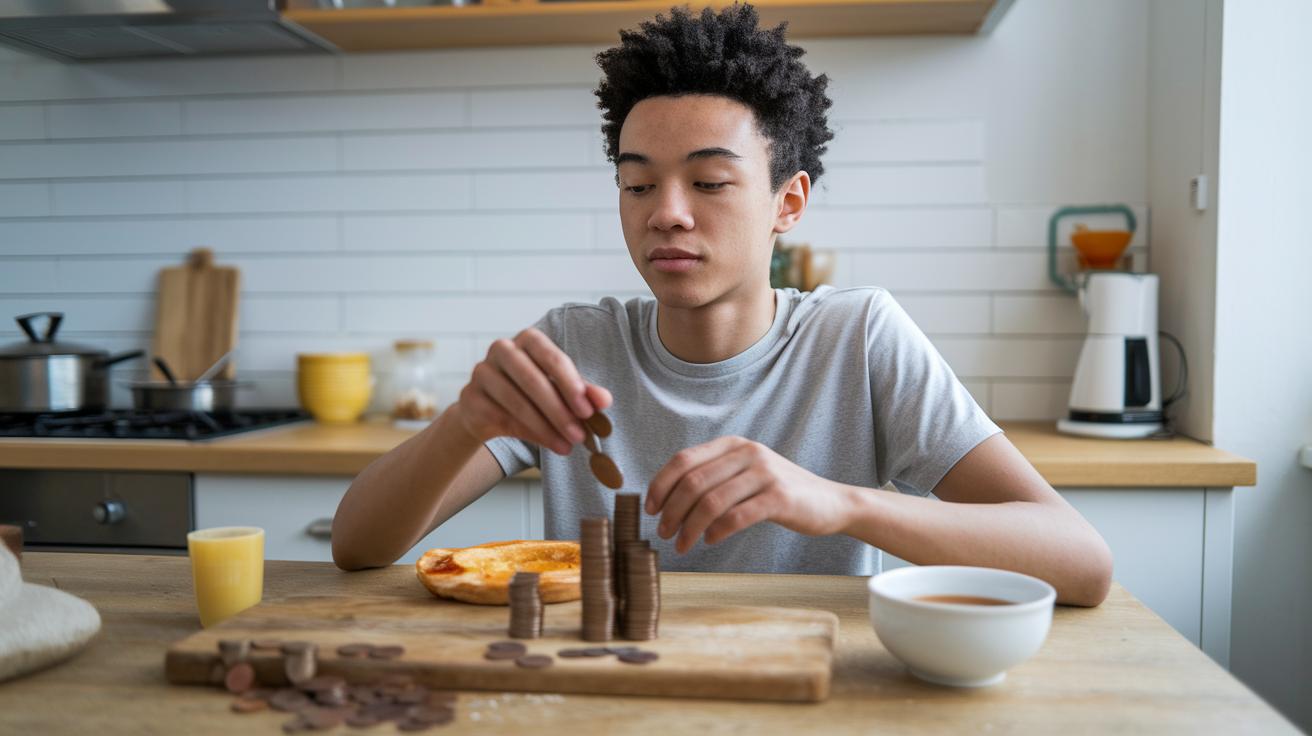
Building life skills helps teens feel ready for the real world. Learning to handle money, cook a simple meal, and look after themselves gives them a strong start toward independence. For example, you might ask, "How can you plan to save for that new gadget?" Such questions spark thoughtful ideas.
A great way to teach these skills is by starting with small tasks. Try having your teen keep track of a little budget with their allowance. Preparing a weekend breakfast can show them how to cook and eat healthy. And simple self-care routines, like setting a regular sleep time or planning daily exercise, can help them feel good about taking care of themselves. Even sharing simple chores and asking follow-up questions can boost their problem-solving skills.
Make everyday moments a chance to learn. When teens help with daily tasks and even join in on small decisions, each little moment becomes a lesson in building confidence and handling future challenges.
Final Words
In the action we explored how open chats, empathy, and shared experiences build lasting trust with teens. We covered tips on check-ins, setting fair rules, addressing tech limits, and nurturing mental health, all backed by practical, everyday strategies. The hands-on approaches here help strengthen bonds and create positive environments where teens can thrive. With effective parenting teenager advice, every moment spent building trust becomes a step toward raising confident, responsible young adults. Keep this warmth and care in mind as you foster a strong connection with your teen.
FAQ
Where can I find a variety of parenting teenager advice?
The parenting advice on Reddit, PDFs, and articles offers different perspectives, giving you trusted strategies and practical ideas to connect, build trust, and maintain clear communication with your teen.
What are some parenting tips for a teenage daughter?
Parenting tips for a teenage daughter suggest fostering open dialogue, showing understanding, and setting clear boundaries that nurture her independence while keeping her safe and supported.
What are the common challenges in parenting teenagers?
Common challenges in parenting teenagers include handling mood swings, balancing freedom with guidance, and managing missteps when expectations aren’t met, all of which can be overwhelming at times.
What is the hardest age to parent a teenager?
The hardest age to parent a teenager is often during mid-adolescence when teens push boundaries; many parents find the 15- to 16-year stage especially challenging while still needing help and guidance.
What does the 7 7 7 rule for parenting signify?
The 7 7 7 rule for parenting highlights the value of quality time by suggesting that parents spend seven days a week connecting, share seven meals together, and enjoy seven one-on-one moments to boost trust.
What is the best way to parent a teenager?
The best way to parent a teenager involves keeping communication open, combining empathy with firm guidance, and respecting their growing need for independence while nurturing a warm connection.
What are the 3 F’s of effective parenting?
The 3 F’s of effective parenting stress fostering mutual respect, providing frequent feedback, and applying fair consequences; these practices help teens learn from mistakes and build responsibility.


