
Have you ever wondered if parenting a child with ADHD could actually bring calm rather than chaos?
Imagine starting your day with a simple routine that feels like a trusty guide, turning every little moment into something to celebrate.
In this piece, we share friendly, easy-to-follow tips that help both you and your child thrive. We explore using clear schedules, small rewards, and gentle discipline to create a supportive environment.
Every small, everyday step can lead to big wins, making your home feel warm and nurturing with every little success.
ADHD Parenting Advice: Establishing a Structured Daily Routine

Having a steady daily routine can really help kids with ADHD stay focused and feel calmer. A visual schedule acts like a friendly guide, showing your little one what comes next. Imagine them looking at a cute chart that clearly lays out morning routines, school-time activities, and bedtime tasks, each picture gently reminding them of the next step.
Timers and checklists work like little helpers in your daily adventures. Picture setting a timer for homework, and when your child finishes a task, rewarding them with a small treat. Experts say that pairing tasks with rewards, even tiny ones, helps kids see their progress and feel truly proud. It’s a way of celebrating every little success together.
| Time | Activity |
|---|---|
| Morning | Setting up the visual schedule, having breakfast, and getting dressed |
| After-School | Homework, playtime, and a snack break |
| Bedtime | Calming activities followed by a neat, predictable routine within 30 minutes |
And don’t forget, non-medication ways can also make a big difference. A balanced diet with proteins and whole grains boosts energy, and those cozy weekly family meetings are perfect for fine-tuning routines and cheering each other on.
ADHD Parenting Advice: Positive Discipline and Behavior Management

When you give your child quick, consistent feedback, it really lifts their self-esteem. Try using one easy instruction at a time, and offer just two choices so it doesn’t feel like too much. For example, if it's time to clean up, you might say, "Please pick up your blocks." This keeps things clear and simple.
Experts suggest breaking tasks into little 5-minute chunks. Imagine setting a timer for a short burst of activity so your child has a clear start and finish. When time is up, offer a bit of praise or a short break. It’s a steady routine that helps build small wins every day.
A token system can work wonders, too. Picture it like collecting stars in a video game. For instance, earning 10 tokens might give your child an extra 10 minutes of screen time. This visual reward makes positive behavior feel rewarding and gets your child excited about every step of progress.
Here are some handy tips:
- Use clear, step-by-step instructions.
- Keep choices limited to avoid overwhelming your child.
- Break tasks into short, manageable bursts.
- Plan calm breaks after busy activities.
- Create a quiet corner filled with simple sensory tools, like a stress ball or a soft pillow.
These friendly strategies help keep things predictable and encouraging. When guidance is steady and positive, it not only helps manage behavior but also strengthens the bond between you and your child.
ADHD Parenting Advice: Emotional Regulation and Calm-Down Strategies

Start by inviting your child to try a slow deep breath. Count out loud: 4 counts to breathe in and 6 counts to breathe out. Say something like, "Let's breathe together," so your little one feels a gentle pause to reset.
Another idea is to use a fidget tool. These small gadgets offer a bit of sensory fun that can help your child channel their restless energy. Imagine a tiny, textured ball that fits perfectly in their hand, a quick squeeze can feel like a soft reminder to regain focus.
You can also try a simple three-step routine called "Stop, Breathe, Plan." Ask your child to stop for a moment, take that calming breath, and then think about what to do next. For example, say, "Stop for a bit, breathe gently, and then let's decide what to do next," creating a steady rhythm.
Sometimes, a gentle signal, a hand gesture or a quick toss of a stress ball, can work wonders. These little signals help your child, and even you, check in with your feelings when things get a bit overwhelming.
Keep your voice calm when emotions run high. A soft tone helps prevent things from escalating and builds confidence over time.
ADHD Parenting Advice: Collaborating with Schools and Educators

Partnering with your child's teachers can really help make things smoother. Experts say that setting up a 504 Plan or an IEP (an Individualized Education Plan outlining special classroom needs) is like having a clear guide that shows just how to support your child each day.
Staying in touch is key. Think about scheduling a quick chat or sending an email every month to talk about homework and behavior. For example, imagine a teacher mentioning that your child benefits from a short break during lessons. You can then work together to change the timing to fit your child's needs. Honest, simple talks like these build trust and slowly create calmer school days.
Here are five simple classroom support ideas that really work:
- Sitting next to the teacher so your child can quickly pick up on hints.
- Extra time on tests to take the pressure off.
- Regular breaks to help your child get back on track.
- Working in smaller groups so distractions are kept to a minimum.
- Using shared charts to track both focus and assignment completion.
When everyone sees the same progress on shared charts, it feels like a small win to be celebrated together. Maybe one day, a chart shows that your child managed to stay focused for a little bit longer than usual, and that can uplift everyone.
This friendly, clear approach lines up with expert advice for helping children with special needs. Every quick chat, every small adjustment, adds up to creating an encouraging school environment. It really is a teamwork effort, so your child feels confident and truly understood each day.
ADHD Parenting Advice: Non-Medication Approaches and Lifestyle Adjustments

Start your day with some fun aerobic movement. Just 20 minutes of running around or dancing together can lift both your mood and your kiddo's focus. Imagine a morning where you take a brisk walk or enjoy a bike ride together, it’s a lovely way to kick things off.
It also helps to set some clear limits on screen time. For instance, after school, stick to about 1 hour of screen time so your child has plenty of time for other activities. This balance quiets distractions and helps keep energy levels even.
Food is a big deal too. A hearty, protein-packed breakfast, like scrambled eggs or a nut butter smoothie, can give your child the boost they need to stay on task. Add a bit of omega-3-rich food (like a few walnuts) for extra brain support. Picture your child enjoying a warm, filling breakfast and starting the day off right.
Another idea is to create a special homework spot at home. Find a quiet corner without too much noise, skip the TV or loud play, and let this be the place where homework gets done. Small reminders, like a little clock or a reminder board, can also help keep things on track.
And don’t forget about a good sleep routine. A steady bedtime, ideally about the same time every night within a 30-minute window, really helps your child wind down for a restful sleep.
These non-drug suggestions blend everyday lifestyle tweaks that offer comfort and steady support for your child all day long.
ADHD Parenting Advice: Age-Specific Guidance for Different Stages

When you care for a child with ADHD, adjusting the way you support them can really help. For little ones in preschool, turn daily routines into playful adventures. Think about setting up a sensory bin with soft fabrics, beads, or rubber toys. This simple game makes cleanup fun and helps your child learn to manage their feelings early on.
For those in elementary school, giving a bit more responsibility can really boost their confidence. You might ask your child to make a checklist for daily tasks, like packing their backpack or laying out clothes for the next day. Just imagine them proudly ticking off each task! They can even lead a short family chat each week to talk about what went well and what could be even better. This fun habit helps them learn planning and sticking to tasks, a skill many kids start mastering around age 8.
As your child grows into their teen years, it’s key to help them speak up for themselves. One idea is to practice role-playing meetings, like a pretend IEP meeting (a plan that makes sure your child gets the support they need at school). This simple exercise can boost their confidence and make real meetings feel less daunting.
- Try using sensory bins and play-based activities with preschoolers.
- Encourage elementary-age kids to create daily checklists and lead family chats.
- Help teens practice meeting scenarios to build self-advocacy skills.
This way of guiding your child fits their growing needs at each stage and gives you easy, practical ideas to support them every day.
Parenting Advice for ADHD: Thrive with Smart Methods
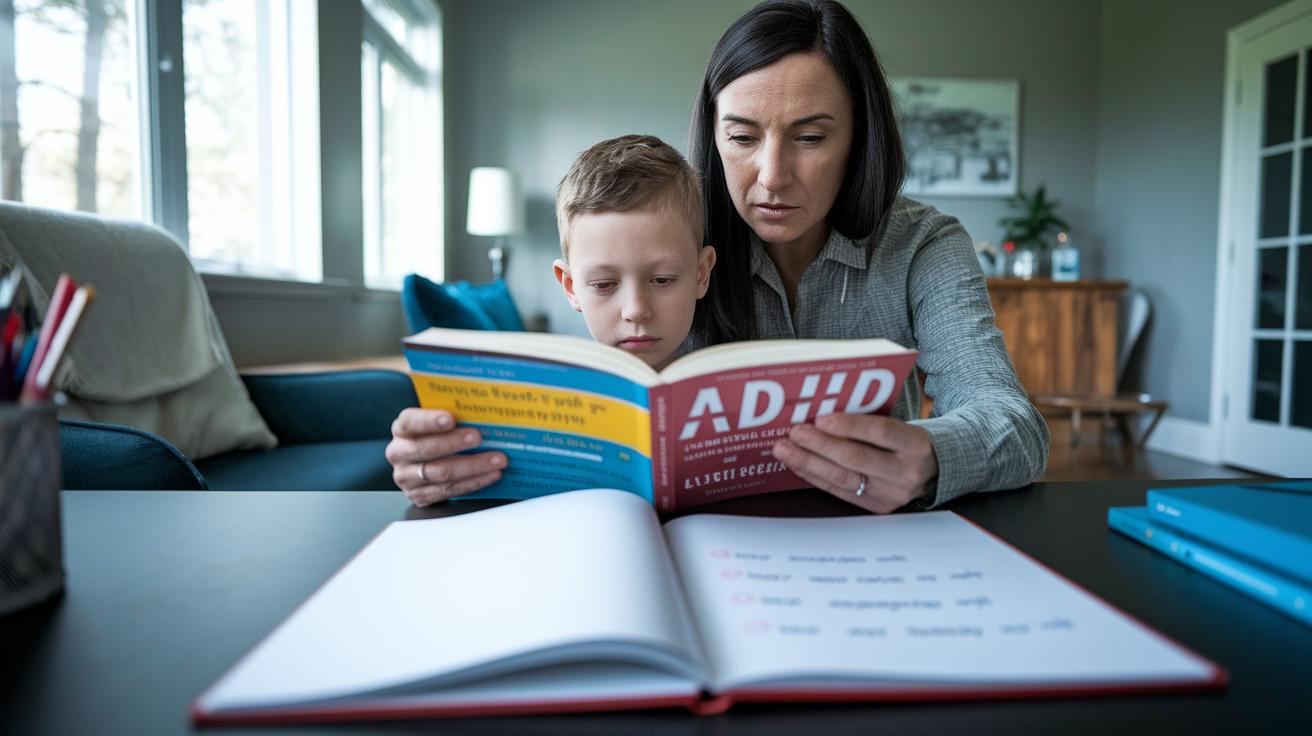
If you’re looking for some friendly advice about ADHD, here are a few trusted books that might just brighten your day. These books come packed with simple and smart ideas that can help you support your child’s growth. Have a look at these recommendations:
- The Explosive Child by Ross W. Greene
Discover how your child’s behavior might be telling you what they need. - Driven to Distraction by Edward M. Hallowell and John J. Ratey
Find down-to-earth strategies to help improve everyday focus. - Smart but Scattered by Peg Dawson and Richard Guare
Pick up helpful tips on building organizational skills through little, clear steps. - ADHD Does Not Exist by Richard Saul
Bust some common myths and start seeing daily successes in a fresh light. - Parenting Children with ADHD by Vincent J. Monastra
Follow step-by-step advice that can make each day a win for your family.
Sometimes, using printable ADHD checklists or clinical questionnaires (like the Vanderbilt assessment, which helps track symptoms) can really make a difference. These tools let you spot patterns and cheer even the smallest improvements. It could also help to download a simple guide about using these resources and sign up for a monthly e-newsletter for more expert tips.
If you need a bit more guidance, why not check out some first-time parent tips or explore different parenting styles to see what fits your life best? Give these smart methods a try and enjoy watching your family grow even closer and stronger each day.
Final Words
In the action, this post offered practical steps for creating daily routines that help kids with ADHD focus better. It shared tips on positive discipline, calming methods, working with schools, and lifestyle tweaks to support unique needs. You even got age-specific ideas and handy resource guides to keep things manageable. Remember, a little structure can go a long way. With solid parenting advice for adhd, you’re ready to make your home a safe, warm haven for growth. Enjoy every small win along the way.
FAQ
I have no patience for my ADHD child?
The feeling of no patience for an ADHD child is common. It helps to build support, take short breaks, and use structured routines that ease stress and create a nurturing, calm environment.
Parenting an ADHD child age by age?
Parenting an ADHD child age by age means adapting strategies as your child grows. Tailor routines, responsibilities, and calming techniques to fit each stage, and involve your child in planning when possible.
ADHD strategies for parents PDF?
The request for ADHD strategies for parents PDF suggests looking for organized, downloadable guides that outline routines, behavior tips, and home-school tips in an easy-to-read format.
How to treat an ADHD child at home?
Treating an ADHD child at home means setting up a predictable routine, using visual schedules and rewards, and creating a calm space to boost focus and reduce behavior issues.
How to deal with a child with ADHD and behavior problems?
Dealing with a child with ADHD and behavior problems involves clear, simple instructions, immediate positive feedback, and structure through routines and consistent discipline methods that build self-esteem.
How to help a child with ADHD in school?
Helping a child with ADHD in school means partnering with teachers to set up supportive strategies, using visual tools, and working on clear communication to guide homework and classroom behavior effectively.
How to deal with an ADHD child without meds?
Dealing with an ADHD child without meds involves using non-drug approaches like consistent routines, exercise, balanced meals, and calming techniques such as deep breathing or sensory tools to manage symptoms.
What not to do with a child with ADHD?
What not to do with a child with ADHD is to avoid harsh punishments, overwhelming expectations, or abrupt changes. Instead, use gentle guidance, clear steps, and positive reinforcement to support growth.
What are the 5 C’s of ADHD parenting?
The 5 C’s of ADHD parenting revolve around Calm, Consistency, Clear communication, Choices, and Connection. They help create a supportive environment that encourages understanding and growth.
What is the 30% rule for ADHD?
The 30% rule for ADHD often refers to adjusting schedules and routines to allow flexibility, such as keeping bedtime variations within a small margin to help maintain a consistent daily rhythm.
What type of parenting is best for ADHD?
The best parenting approach for ADHD involves being structured, supportive, and patient. This means setting clear expectations with flexible routines, offering positive feedback, and maintaining a calm, caring atmosphere.
What is the 10 3 rule for ADHD?
The 10 3 rule for ADHD typically suggests that after 10 minutes of focused activity, a brief 3-minute break can help reset and maintain attention, making tasks more manageable for your child.


