
Have you ever thought that parenting could be gentler than the usual strict routines? In Denmark, kids grow up calm and confident because of simple choices and lots of caring moments. Imagine asking your little one to pick between two colors and seeing their face light up with joy. Research shows these small acts help children feel secure as they grow.
So, are you ready to bring some of that Danish calm into your home? Read on to discover how a few simple changes can make a big difference.
Why Danish Parenting Methods Foster Independence and Happiness
Danish parenting teaches kids to be calm, happy, and self-assured. In Denmark, little ones are known for their peaceful vibe and rarely get upset. This way of parenting puts feelings first and handles tough moments with a gentle, loving tone instead of shouting.
For anyone taking care of a child, adopting these calm routines can make them feel safe and strong. Imagine guiding your child through a morning routine where even the smallest choice is celebrated. These simple moments add up to build real independence.
Thirteen years of research by Iben Sandahl, an American columnist and psychotherapist, shows that these gentle daily practices create a positive cycle. Happy, independent kids often grow into caring adults. Her work highlights how regular, kind interactions, rather than strict discipline, help build trust and encourage a child's natural ability to thrive.
Curious about trying this approach at home? Check out first-time parent tips to begin your own Danish-inspired routines.
Core Values and Everyday Applications of the Danish Parenting Philosophy
In Denmark, parenting is built on trust, independence, calm discipline, a balanced work-home life, and a strong sense of community. Every choice, whether picking an outfit or choosing a game at the park, is a chance to show kids they’re capable. It’s like each little decision matters, giving young ones a boost of confidence.
Day by day, Danish families live out these values. Parents often chat with their kids about everyday matters while keeping clear boundaries between work and home. This caring environment helps children grow into confident, self-reliant individuals. It really is like daily moments add up to a lifetime of happiness and emotional balance.
Trust plays a big role here. Danish parents include their kids in making decisions, even simple ones. Imagine being asked, “Do you want the red sweater or the blue one today?” Such questions make a child feel important and capable. Research by Iben Sandahl shows that giving kids little choices helps them trust their own instincts and form healthier relationships with adults later on.
Independence is another key part of Danish parenting. From early on, children learn to dress themselves, plan playtime, and handle small tasks alone. Sure, choosing cereal for breakfast or putting on shoes might seem minor, but these moments really add up. Parents allow safe risks so kids can explore and learn from small mistakes. This is a fine example of free range parenting (free range parenting), where little freedoms build confidence and boost problem-solving skills.
When it comes to discipline, Danish parents keep their cool. Instead of raising their voices, they offer gentle and supportive guidance. In moments of frustration, a parent might softly explain why a rule exists while encouraging a child to calm down. This relaxed approach helps kids learn to manage their emotions better as they grow up.
Community support is also a vital part of raising well-rounded children. With affordable, high-quality childcare and tight-knit neighborhood networks, parents always have backup. Shared playgroups and parenting responsibilities mean kids get plenty of opportunities to connect with others, helping them build social skills and trust. Studies over many years, including work by Jessica Joelle Alexander and Dissing Sandahl, show how these community ties lead to greater emotional well-being for Danish children.
Daily Routines, Hygge Family Values, and Danish Family Lifestyle
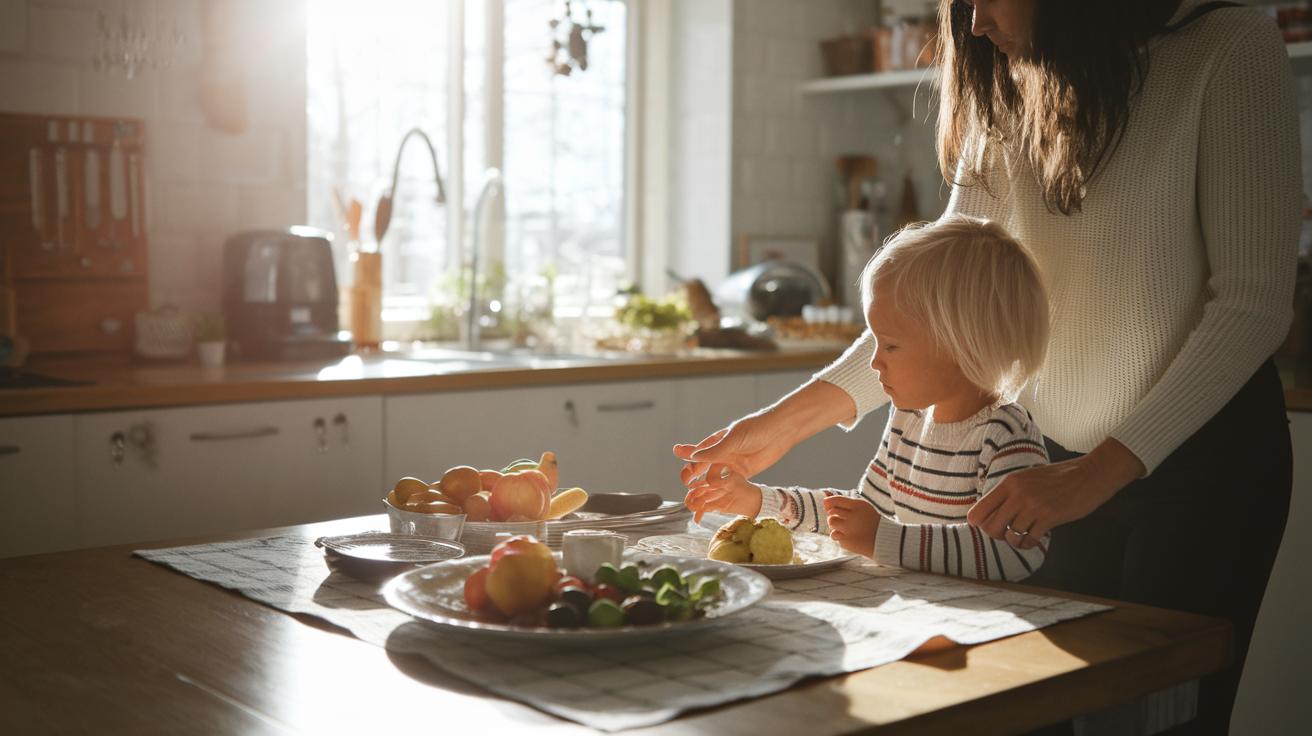
Every morning, Danish families greet the new day with warmth and care. They share a quiet breakfast and keep their space neat and light. Picture a kitchen bathed in soft natural light with a table set for friendly chats. Maybe you even ask your child, "Would you like to help set the table?" That little moment boosts trust and starts the day with a smile.
By the afternoon, creative family projects add a special kind of joy. Many families enjoy making a DIY Advent Calendar or seasonal crafts that fill the room with color and cheer. These relaxed, hands-on moments bring everyone closer together, reminding us that even simple activities can make the day feel magical.
When evening comes, it’s all about family meals and winding down without screens. Sharing dinner without digital distractions opens up space for real conversation. Soft lighting and gentle talks help ease the day’s stress and create a calm bedtime routine. This peaceful end to the day shows that a home built on warmth, simplicity, and care can make every moment special.
Practical Hygge Projects and Family Traditions in the Danish Way of Parenting
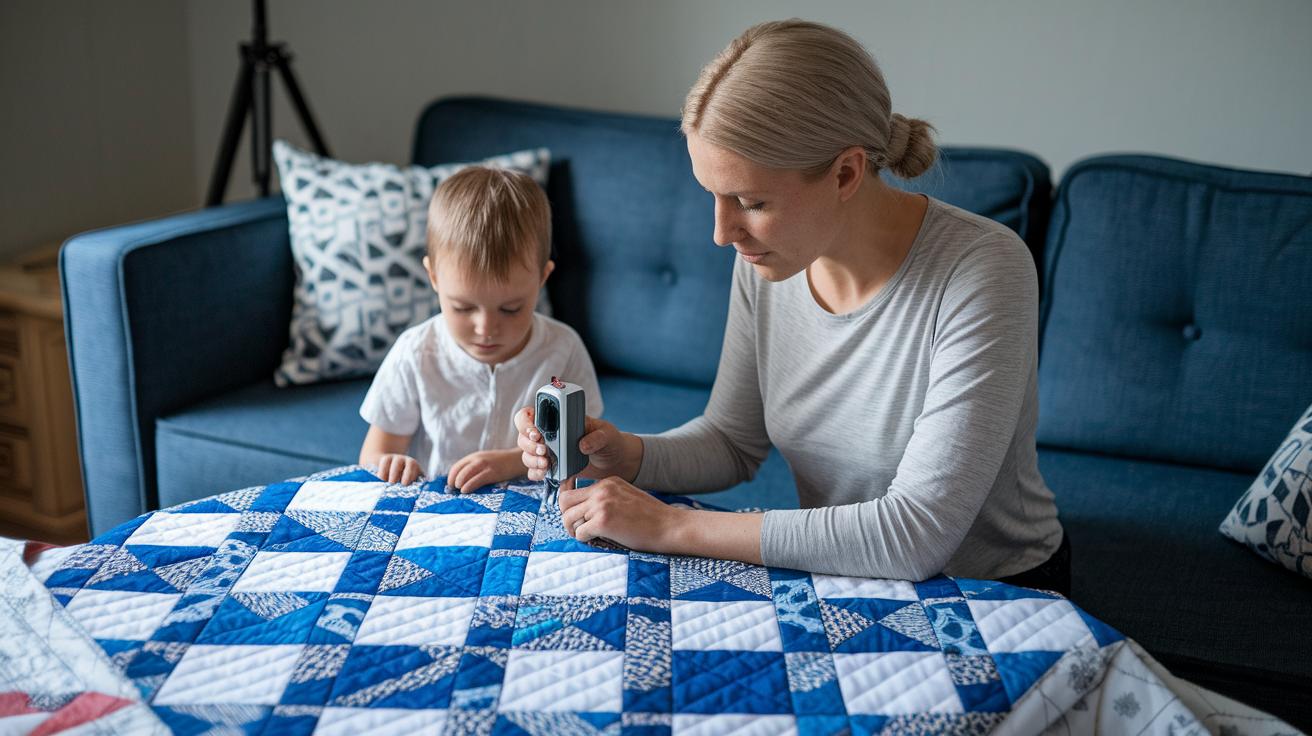
Make a seasonal story quilt. In each season, everyone picks a fabric piece that reminds them of a happy memory or feeling. Picture a cool winter night where you choose deep blue and white patches that capture the calm of fresh snow, each piece tells its own little story. This fun art project brings out creativity and helps the family grow closer.
Plan a nature scavenger hunt that changes with the seasons. In spring, list tiny blossoms and busy bees; in autumn, search for colorful leaves and acorns. You could kick things off by saying, "In spring, even a small flower can tell a story about growth." This little fact helps kids notice nature’s secrets, while the family shares ideas and creates lasting bonds.
Create a family memory box that evolves with every season. Let everyone add little treasures like doodles, ticket stubs, or handwritten notes about the season’s best moments. For example, ask, "What brightened your day?" and let each person quickly draw or write something down. This simple box keeps your memories alive while celebrating personal creativity and your family’s shared history.
Comparing the Danish Parenting Style with Other Approaches
Have you ever noticed how some parenting styles feel warm, relaxed, and naturally encouraging? Danish parenting is all about letting kids make little choices while parents offer gentle guidance. They let the child decide on small things, like choosing a red scarf or blue scarf for the day. It’s a simple question but one that builds confidence and independence. Unlike more strict methods that leave little room for a child’s voice, or helicopter parenting that involves too much oversight, this approach lets kids learn from their own little adventures.
Many parents find the Danish style like a breath of fresh air compared to more rigid models. Some people say it might seem too laid-back for busy urban life, where routines feel faster-paced and less chill. I’ve read stories online where trying to bring a calm, hygge-inspired (a Danish term for cozy togetherness) vibe into the city feels a bit challenging. Still, even if a bit of freedom can sometimes mean a looser structure, Danish parenting seems to hit that sweet balance between letting children be independent and feeling secure.
| Parenting Style | Key Features | Child Outcome |
|---|---|---|
| Danish | High child agency, calm guidance, balanced freedom | Confidence, independence, emotional balance |
| Authoritative | Clear rules, structured approach, limited child input | Obedience, respect, sometimes less creativity |
| Helicopter | Over-involvement, constant monitoring, restricted freedom | Dependence, reduced self-reliance |
Looking at the table, you can see that Danish methods promote a natural sense of calm and independence. While other approaches offer their own advantages and challenges, each style has a role in shaping how children learn and grow. In truth, every family can pick and choose the elements that feel right for their everyday life.
Research, Expert Insights, and Critiques of the Danish Way of Parenting

Jessica Joelle Alexander and Dissing Sandahl spent 13 years getting their hands dirty with research, and their journey offers us a look into the calm, steady style of Danish parenting. Their book feels like a heart-to-heart chat about how a gentle, respectful approach can help little ones manage their feelings and boost their overall well-being. Imagine watching your child handle a tricky moment with surprising calm; studies noted that this way of parenting really helps kids feel less upset when things get tough.
Iben Sandahl, a trusted family counselor, shares that choosing kindness over irritation builds a sense of safety and self-belief in kids. Every moment of calm seems to lay a little brick in the foundation of their future strength. It's like creating a safe space where children learn to trust their own abilities.
Experts agree that this nurturing style not only fosters independence but also helps kids deal with their emotions. Research shows that when children understand what they're feeling early on, they handle daily challenges better. Many practitioners say that a gentle guiding hand strengthens the bond between parent and child. Even a simple question like, “Do you think this is the right way?” can empower children to make small decisions on their own, reinforcing the idea that little freedoms go a long way.
There are even free PDF guides and e-book summaries that break down the science and offer practical tips for parents. However, some critics remind us that the success of these methods might be tied to Denmark’s strong social support system. Without similar community resources, it might be tricky to copy these results exactly. This balanced feedback invites parents to try the approach while keeping in mind their own unique community and support network.
Final Words
In the action, we explored how calm routines and simple traditions shape confident, happy kids. We saw that trust, independence, and thoughtful practices guide daily life while studies and real examples back up these ideas. The insights on family-friendly habits, creative projects, and comparisons with other styles show why the danish way of parenting works so well. It feels good knowing that everyday choices can create a peaceful, nurturing environment. Keep embracing those little moments, they truly make a difference.
FAQ
Where can I find “The Danish Way of Parenting” PDF, Kindle, or epub formats?
The Danish Way of Parenting PDF and other formats refer to digital versions available on various online platforms. Readers often locate them via official websites or major book retailers.
What do reviews, summaries, and criticisms of “The Danish Way of Parenting” reveal?
Reviews and summaries of The Danish Way of Parenting emphasize its focus on calm routines and independent children. Critics sometimes note that the approach may seem too relaxed or specific to Danish culture.
What is the Danish parenting style?
The Danish parenting style centers on fostering independence, calm behavior, and emotional well-being in children through respectful communication and daily routines that build trust and self-reliance.
What are the key takeaways of the Danish way of parenting?
The Danish way of parenting underlines the importance of intentional daily practices, promoting autonomy, gentle discipline, and balance between family life and individual expression for both children and parents.
Why are Danish children so well behaved?
Danish children often exhibit calm behavior because their parenting style encourages independence and emotional regulation, using daily routines and respectful communication to help kids manage challenges smoothly.
What is the Scandinavian parenting approach?
The Scandinavian parenting approach, which includes Danish methods, emphasizes trust, minimal control, and promoting independence. It aims to nurture well-rounded, secure children by focusing on calm, supportive daily practices.
How does the Danish parenting style compare to other popular parenting books?
The Danish parenting style contrasts with other popular methods by focusing on calm autonomy and daily routines. Books like The Whole-Brain Child and Bringing Up Bebe use different strategies, yet all aim to support healthy child development.


