Advice
Natural Parenting: Pure Path For Child Flourishing
By poppysmith
October 9, 2024
Field Notes
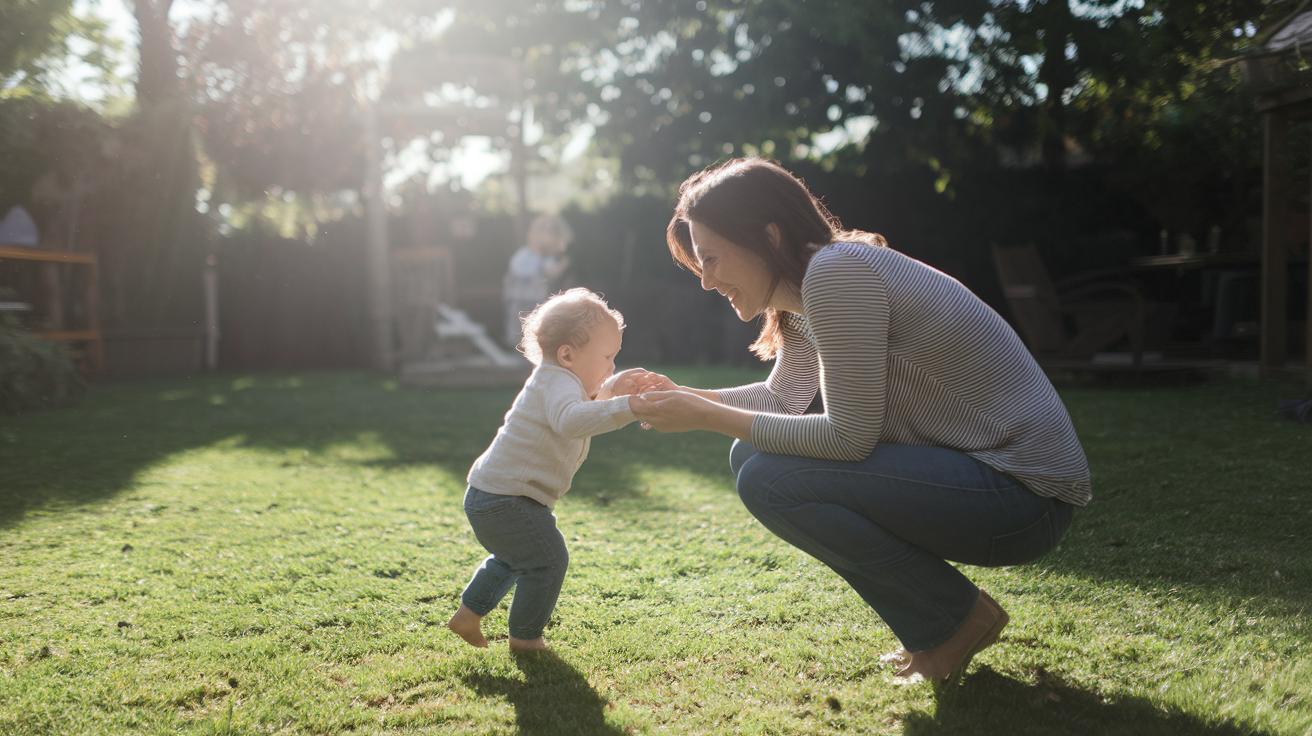
Have you ever thought that trusting your gut might brighten your child’s world? Some folks say that a more relaxed, nature-driven style is too soft. But natural parenting creates a warm connection that helps kids feel strong inside. It’s like opening a window on a fresh, breezy day, where a gentle hug or a kind smile can start growing trust.
When you notice even the smallest hints from your child, you build a comfy, safe space for them to thrive. It’s amazing how a little attention can make all the difference.
Core Principles of Natural Parenting
Natural parenting is all about raising your little one with loads of love, gentle care, and respect. It’s sometimes called gentle, conscious, or attachment parenting. When you follow this approach, you're building a warm, safe bond with your child that helps them grow emotionally strong. It’s like creating a cozy home where your natural instincts lead the way and meaningful connections are at the heart of family life.
The ideas behind natural parenting come from eight key principles developed by Attachment Parenting International. These ideas remind us to honor our child’s unique personality, gently tune into their signals, and create a caring space where empathy naturally grows. When you pay attention to your baby’s subtle cues, it not only nurtures their heart but also sparks positive brain development that can help them manage stress and build trust. Have you ever noticed how your baby lights up when you respond with love? That’s the magic of this approach.
At its core, natural parenting means keeping things as natural as possible. Think of it like choosing natural skincare and unprocessed foods for those little tummies. For first-time parent ideas, you might want to check out this handy guide: first time parent tips. This way, you're not just caring for your baby, you’re also creating a lifestyle that respects nature and meets those tender needs, making your home a truly nurturing haven for growth.
Natural Parenting Benefits on Holistic Child Development

Studies from Attachment Parenting International show that kids who receive loving, timely care tend to build better social skills. One parent shared how her little one comforted a friend who was feeling upset. Moments like these show that natural, responsive care can help children feel safe and learn to care for others.
Data also tells us that caring for children aged 3 to 5 builds strong trust and uplifts overall well-being. When families tune in to each child’s unique signals, everyone benefits, from deeper bonds at home to easier sleep routines. Every little interaction helps a child feel understood and valued.
- Enhanced empathy
- Stronger trust in caregivers
- Better stress regulation
- Improved sleep patterns
- Tighter family bonds
Natural Parenting Methods: Gentle and Eco-Friendly Practices
Natural parenting means choosing ways that are kind to your baby and our planet. It’s all about following your child’s natural signals and supporting their healthy growth. Everyday moments become heartwarming rituals that care for both your little one and nature.
Herbal and Natural Remedies
Imagine a warm bath with chamomile to help your baby relax in the evening. Just add 1-2 teaspoons of dried chamomile steeped in warm water. You can also use a little calendula salve on tiny patches of irritated skin for gentle relief. Always be sure the herbs are pure and use the right amount, much like following a friendly recipe for a mild tea.
Organic Feeding Practices
Baby-led weaning is a fun way to start eating solids. It lets your child explore soft fruits and veggies by feeding themselves, usually around six months. This approach helps them discover different textures and tastes without any extra additives. Mealtime becomes a playful and interactive experience.
Sleep Routines Guided by Infant Cues
Noticing little signs like a yawn or a bit of eye-rubbing can tell you when your baby is ready for sleep. By following these cues, you set up a safe and relaxed sleep routine that fits your child’s natural rhythm instead of sticking to a strict schedule.
| Practice | Description |
|---|---|
| Herbal Baths | Use them a couple of times a week for a calm, relaxing effect |
| Plant-Based Lotions | Apply daily to keep baby’s skin soft without harsh chemicals |
| Baby-Led Weaning | Let your child explore self-feeding with soft, natural foods |
| Cue-Based Sleep | Follow your baby’s cues like yawns and eye-rubbing instead of strict timings |
Discipline Strategies in Natural Parenting: Gentle and Consequence-Based
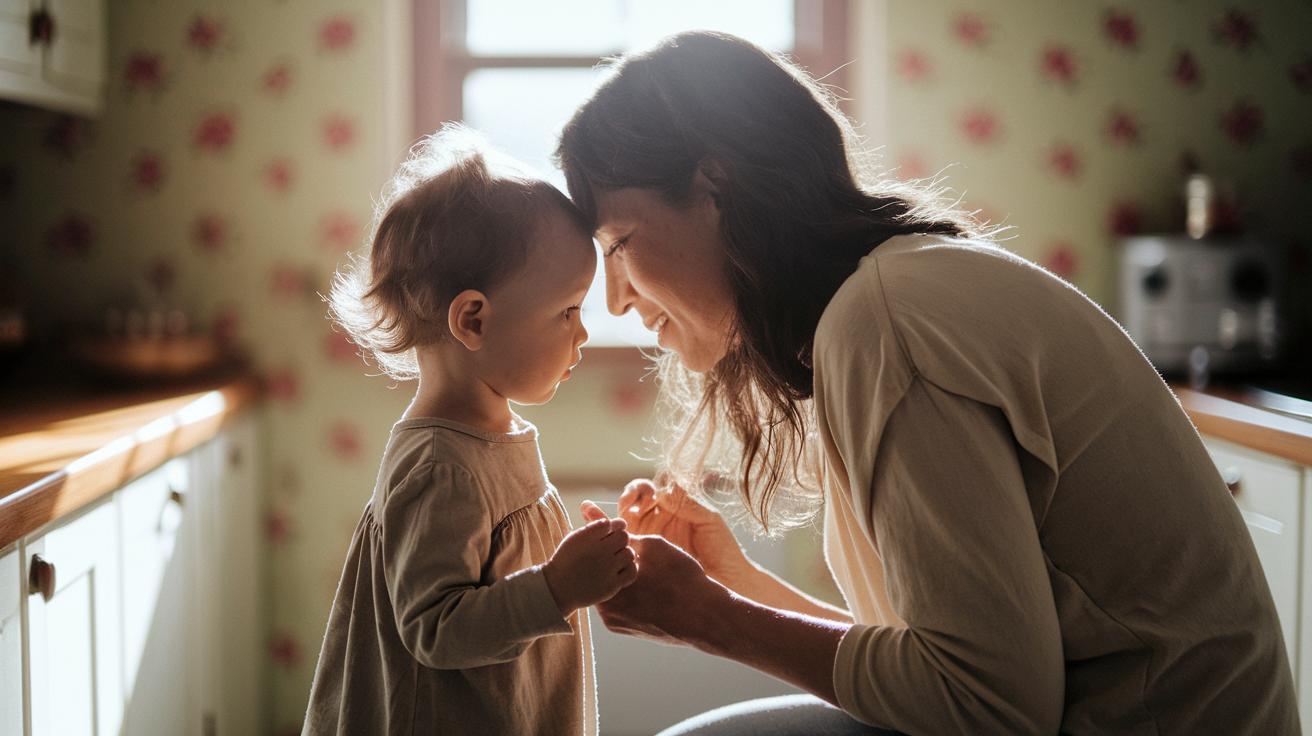
Natural parenting sees discipline as a gentle way to guide kids with care and understanding. Instead of using punishments or long timeouts, it listens closely to a child's signals, offering help that feels like a warm conversation. This approach lets children learn from their choices while feeling safe and respected.
When a child misbehaves, natural parenting uses natural consequences. For example, if a toy is thrown, it is kindly taken away so the child can see the result of their action. This clear, natural outcome helps them understand that every choice leads to a specific result, gently guiding them toward better decisions.
Clear boundaries and calm talks are the heart of this approach. Parents explain what is expected in a kind and honest way, making sure kids know what is okay. With respectful routines and limits, families create a space where every little one feels heard and valued, building trust that lasts over time.
Eco-Friendly Essentials for Natural Parenting Routines
When you dress your little one in organic fabrics, you’re not just choosing comfort, you’re also choosing a greener way to live. Organic cotton onesies and bamboo baby pajamas wrap your baby in cozy softness while avoiding harsh chemicals that might upset sensitive skin. Have you ever felt that gentle hug of a soft onesie? For more on how these choices support sustainability, check out the benefits of organic baby clothing.
Many families are switching to cloth nappies paired with biodegradable wipes to help reduce waste. Glass bottles and natural feeding accessories make mealtime feel extra gentle and safe while cutting back on plastic and toxins. It’s a simple way to build a daily routine that cares for both your baby and the planet.
In the nursery, every detail counts. Choosing non-toxic paints and chemical-free sleep gear creates a safe little haven free of substances like PVC. And when you add plant-based lotions that pamper delicate skin, you’re embracing a heartfelt, natural approach to motherhood.
Natural Parenting in Action: Case Studies and Expert Insights
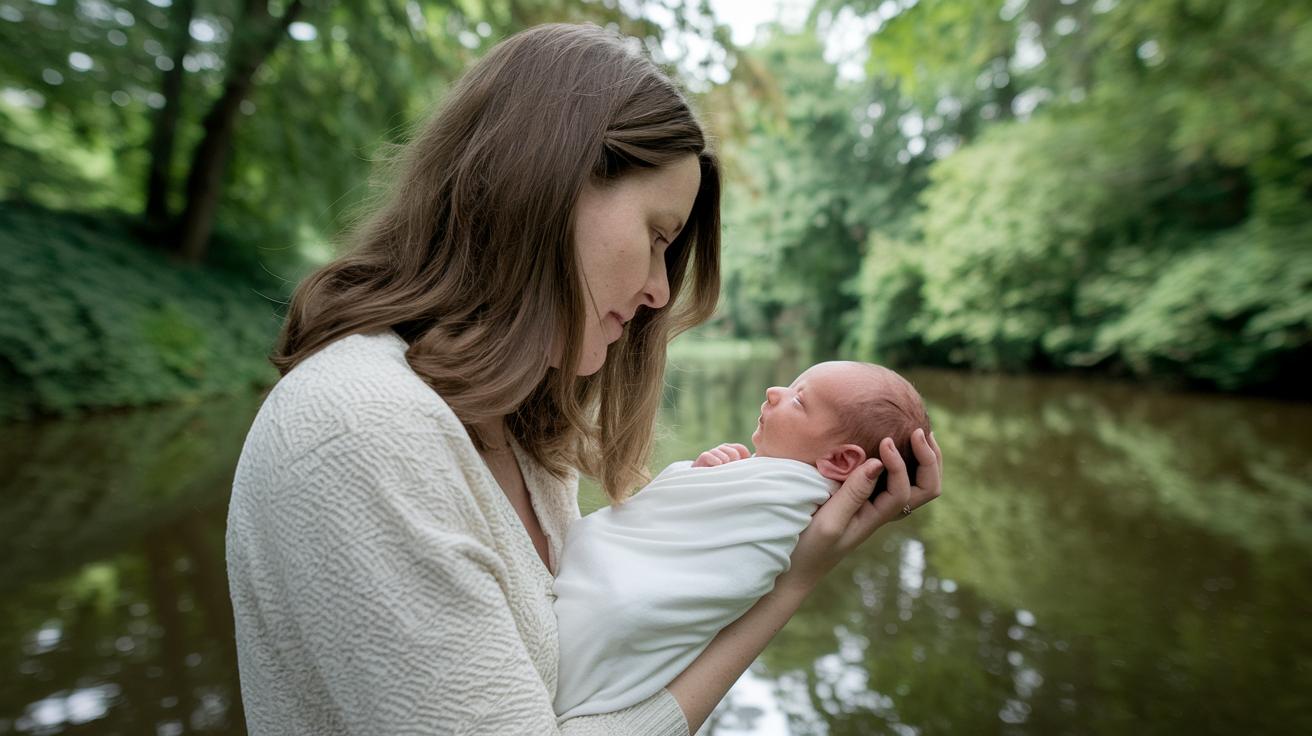
Natural parenting really comes alive when real stories and thoughtful advice blend together. Communities like Raised Good show us how everyday moments become powerful teaching opportunities. Launched in Vancouver in 2016, Raised Good shares heartfelt birth stories, quick toddler routines, and gentle midwife tips to show that tuning into your little one’s needs can make a big difference.
A family in Vancouver shared how they eased their newborn into a better sleep routine by noticing tiny signals and turning mealtimes into relaxed, shared moments. They embraced a lifestyle filled with outdoor adventures and free play, which helped their baby learn to self-soothe and grow strong.
Experts from New Zealand and the UK suggest that having supportive help during labor, kind care after birth, and natural feeding can really set the stage for a peaceful start. They remind us to trust our instincts, speak kindly, and create a calm space for both mom and baby during those precious early days.
These warm, genuine examples remind us to stick to natural parenting. By weaving these simple, nurturing tips into daily routines, families can help their little ones flourish in a safe and loving environment.
Final Words
In the action, the article ran through core principles, gentle discipline models, eco-friendly essentials, and real-life stories that show how natural parenting builds strong bonds and happy, secure little ones.
By highlighting mindful rearing, organic methods, and case studies, it helped paint a clear picture of how following natural parenting practices shapes a safe and nurturing space for your child. Enjoy every small moment and keep embracing natural parenting with confidence.
FAQ
What are natural parenting examples?
Natural parenting examples include practices such as responding gently to a baby’s signals, using organic remedies, and embracing attachment-based bonding that centers on empathy and trust.
What are natural parenting techniques?
Natural parenting techniques involve responsive care, organic remedies like herbal baths, baby-led weaning, and cue-based sleep routines that support mindful, gentle child-rearing.
What is natural parenting meaning and what does it mean to be a natural parent?
The natural parenting meaning is about raising children with love, compassion, and respect by listening to their cues and trusting natural instincts while avoiding harsh methods. Being a natural parent means nurturing through mindful, attachment-based care.
What is natural parenting criticism?
Natural parenting criticism centers on concerns that its gentle methods may not always address challenging behavior, while critics argue that it might lack structure in certain situations.
What is a natural parenting pdf?
The natural parenting pdf is a downloadable resource that outlines the principles and tips of natural parenting, offering guidance for parents wanting to adopt more organic, gentle approaches.
How does attachment parenting differ from other styles?
The attachment parenting approach emphasizes strong parent-child bonds through close physical and emotional connection, setting it apart from other styles by focusing on trust and responsive caregiving.
What can I find in Natural Parenting Magazine?
Natural Parenting Magazine offers articles, expert tips, and real-life stories on gentle, mindful child-rearing methods that inspire parents to create nurturing home environments.
What is nurture parenting style?
Nurture parenting style stresses a caring, responsive approach that adapts to a child’s needs, promoting secure attachments and thoughtful, compassionate guidance.
What are the 4 styles of parenting?
The 4 styles of parenting typically include authoritative, authoritarian, permissive, and uninvolved approaches, each characterized by different balances of warmth, structure, and discipline.
What is the 7 7 7 rule parenting?
The 7 7 7 rule in parenting is a guideline suggesting parents dedicate specific blocks of time—seven minutes, seven hours, or seven days—to focused, intentional interactions with their child.
What is nature parenting style?
Nature parenting style encourages spending time outdoors, embracing natural settings, and using eco-friendly practices to foster a child’s connection with the environment and support their overall well-being.