
Have you ever wondered how a little toy can spark a baby’s curiosity? Baby stacking cups aren’t just for stacking – they open up a whole mini world of fun.
Each cup’s bright colors and soft clink invite your baby to explore new textures and sounds. It’s like a little treasure hunt that helps them learn to grab, stack, and move their hands with care.
Watching those tiny hands work together is so heartwarming. It gives you a glimpse into the early stages of learning and play. Next, let’s dive into how these playful cups turn everyday moments into fun sensory adventures.
How Baby Stacking Cups Promote Infant Development
Baby stacking cups are more than just a fun toy. They help little ones build fine motor skills and improve hand-eye coordination while gently nudging them to solve small puzzles. When your baby plays with these cups, they get to explore different textures, sizes, and colors, all of which spark their natural curiosity. Imagine your little one lightly tapping a cup, listening to the soft clinks, a sweet, tiny symphony of discovery.
Parents often notice charming moments during play. One shared story was of a baby who excitedly spread the cups across the mat before carefully fitting them together. This playful action not only entertains but also teaches the basic idea that actions have reactions (cause and effect). For instance, a 13-month-old might try to nest the cups in a new sequence, showing a budding sense of problem-solving.
Even for younger babies, especially those in the 3-6 month range, stacking cups open up early sensory play. The bright colors catch their eye while the smooth surfaces invite curious touches. It’s a lot like laying the groundwork for future learning with a light, playful game. Stacking, unstacking, and restacking give little hands a chance to practice balancing and learning how things fit together. Each play session is a mini adventure, helping babies focus and connect their little hands and eyes in a warm, caring environment.
Baby Stacking Cups Buying Guide: Materials and Design
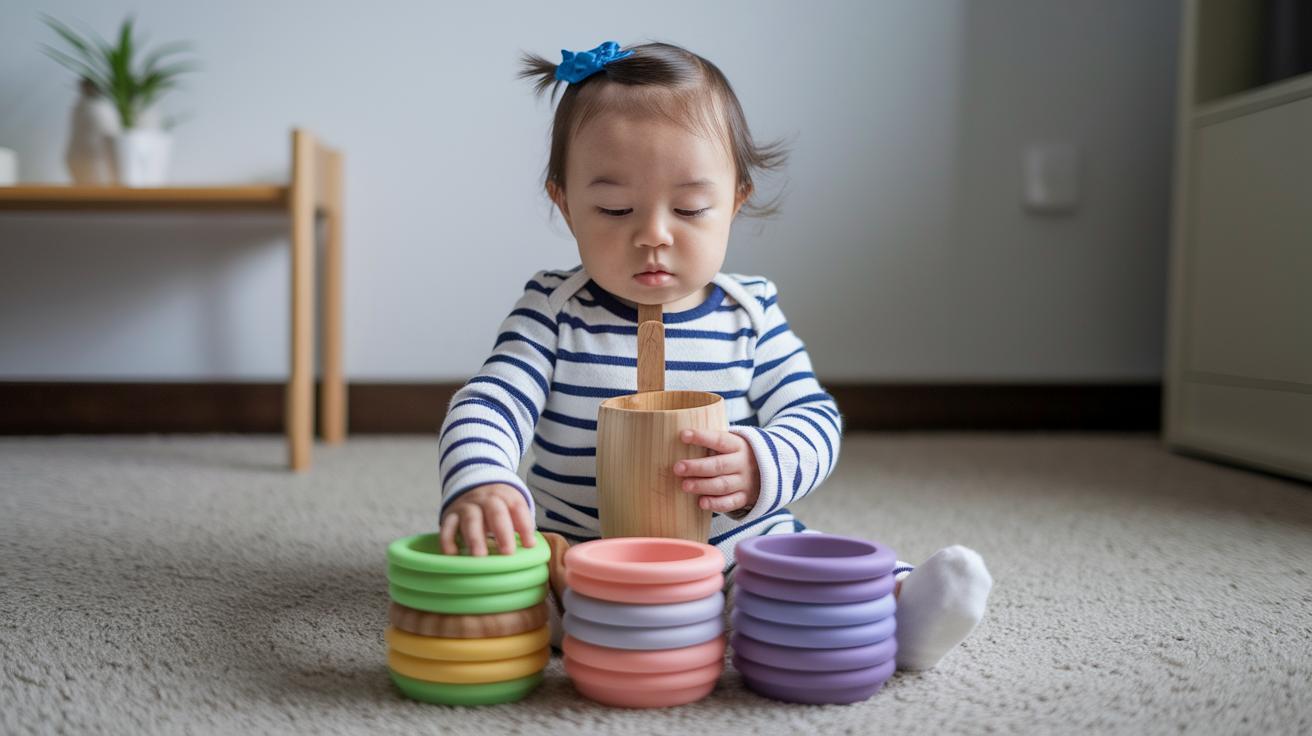
When picking out baby stacking cups, safety comes first. Make sure the cups are built with solid, safe materials. Parents usually choose from food-grade silicone, BPA-free plastic (BPA is a chemical you want to avoid), or even wood from sustainable sources. Each material has its own perks depending on your family's needs and budget. Silicone cups are gentle and bendy, perfect for little ones who are just learning to hold and nibble. BPA-free plastic cups pop with bright colors and are super light, making them a fun choice for curious eyes. And wooden cups bring a natural, sturdy feel that many find eco-friendly.
Don't forget about the design, either. The cups should be sized just right for tiny hands while still offering a fun stacking challenge. Bright, contrasting colors can spark sensory play and grab your baby's attention, inviting them to explore. Plus, choosing eco-friendly cups is a win for anyone who cares about green living.
It can be really helpful to compare these materials side by side. If your baby is just starting to play around 6 months (check out our toys for 6 months link), you might lean toward soft, safe silicone cups. But if you're after something with timeless durability, wooden cups could be just the ticket.
| Material | Pros | Cons |
|---|---|---|
| Silicone | Soft, food-quality material, flexible, and safe for chewing | Might get stained or hold onto smells |
| BPA-Free Plastic | Light, bright colors, and built to last | May not be as eco-friendly as natural materials |
| Wooden | Sustainably sourced, durable, and has a natural feel | May need extra care to keep the finish looking nice |
In the end, picking the perfect stacking cups is all about balance. You'll want safety, a fun design, and a little sensory magic that helps your baby explore and build their motor skills.
Top Baby Stacking Cups: Product Reviews and Comparisons
Let’s talk about the Stackaroo Deluxe. This fun set is made for busy parents like us. Crafted from BPA-free plastic (a material free from harmful chemicals) and meeting ASTM safety standards (strict testing for safety), it’s built for little hands to enjoy without worry. The bright, bold colors encourage your child to explore and experiment with stacking. Many parents love its sturdy design, and you’ll find it sits nicely in the mid-range price area. Think of it as a smart little investment for endless hours of curious play.
Next up, we have the Cupsy Fun Set. Made from food-grade silicone (safe, high-quality material approved for contact with food), these cups are perfect for little ones who love to chew and toss. The soft and flexible texture is gentle on delicate gums while still sparking sensory fun as it reacts to different taps and pressures. Caregivers appreciate how lightweight and easy it is to clean, and its slightly lower price makes it a popular pick. In simple words, it’s a great mix of practical value and vibrant play.
Then there’s the Build & Balance Cups. This wooden stacking set, crafted from sustainably sourced materials, offers a natural twist to playtime. Finished with a non-toxic coating, these cups provide a safe, eco-friendly option that feels both durable and charming. They bring a unique texture that invites little hands to explore, though they come in at a premium price. Parents who choose this set love its lasting quality and attractive design, making it a fine addition to any playroom.
Safety Tips and Age Recommendations for Baby Stacking Cups
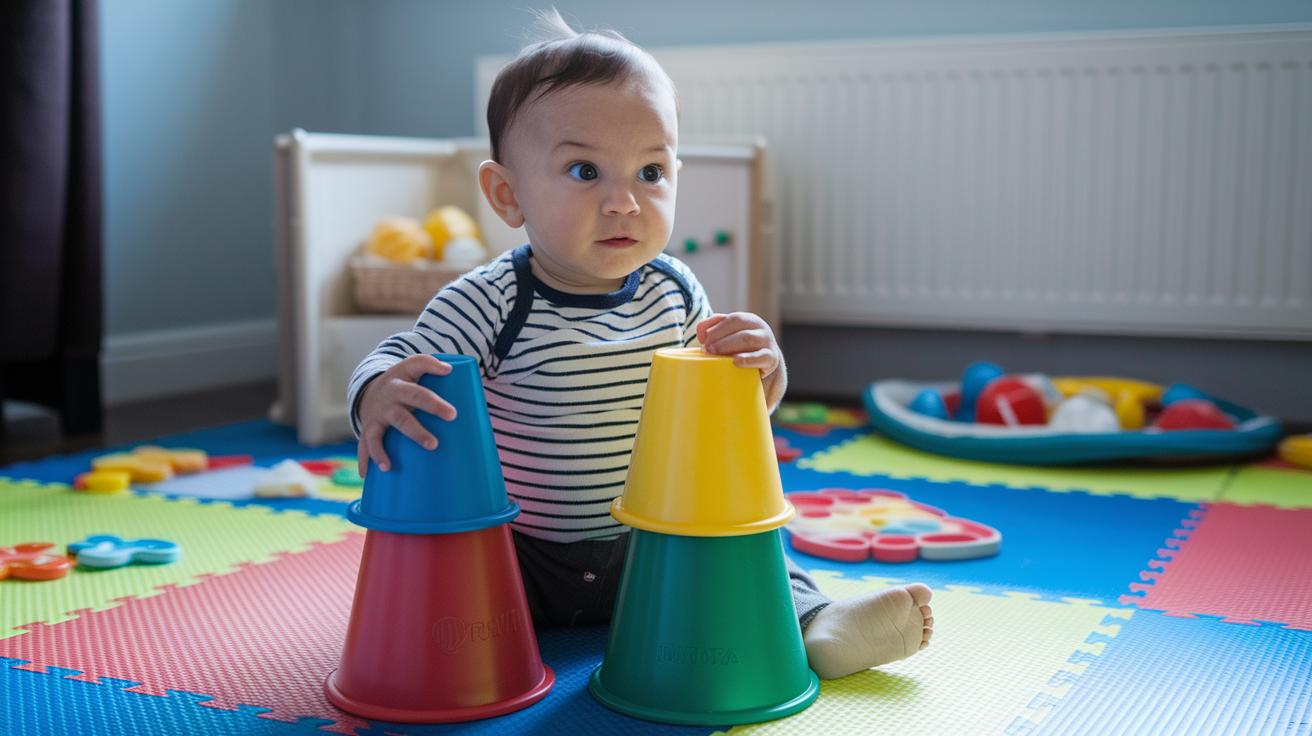
When you’re picking out stacking cups for your baby, safety always comes first. These toys are best for little ones starting around six months old when they begin exploring and grasping things with both hands. The cups need to be big enough so they can’t be swallowed, and they should be made from non-toxic materials (safe for your baby’s delicate world).
Here are a few friendly reminders for playtime:
- Always keep an eye on your child to be sure no small pieces can come loose and cause trouble.
- Check the stacking cups often for any signs of wear or damage.
- Follow the cleaning tips from the maker to keep the cups safe and sound.
- Pick toys that are clearly marked as safe stacking toys, made with soft, gentle materials for endless play.
By keeping these tips in mind, you help create a fun and secure play experience that supports your baby’s growth while keeping little risks away.
Stacking Cups and Developmental Milestones
Stacking cups help little ones explore their senses early on. In those first six months, babies love to touch and hold things with different textures. That tiny hand grasping a cup is the start of a fun, sensory adventure that builds early motor control.
Between six and ten months, even if they're not stacking yet, their crawling and sitting help them grow stronger and more coordinated. And by around 13 months, stacking cups turn into playful challenges that encourage kids to line up cups in different ways. It’s amazing to watch as play slowly becomes learning in a really natural, joyful way.
Baby stacking cups Spark Sensory Play
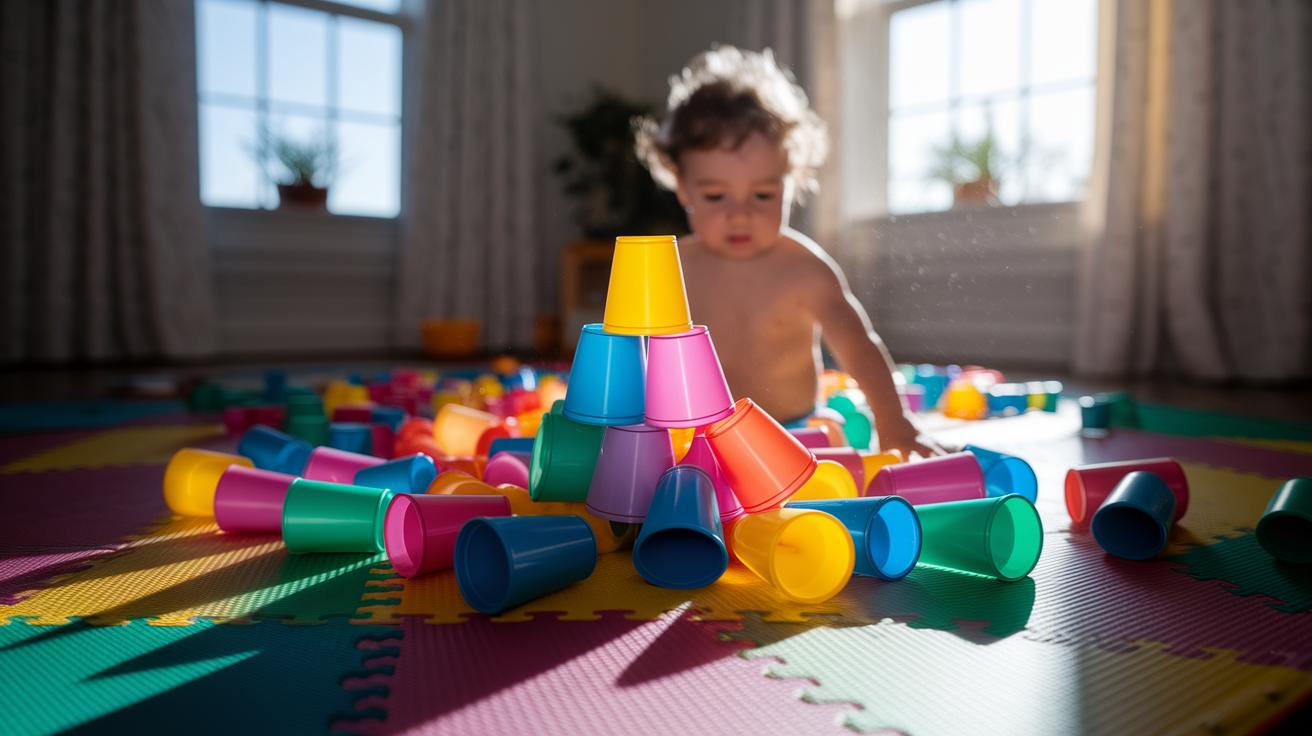
Imagine your little one building a tiny tower of colorful cups and then gently toppling it over, letting the cups clatter in a satisfying way. It’s like a mini celebration of play with every tumble.
You might even try a water pouring game at bath time. Let the baby pour water from one cup to another and watch in wonder as the bubbly liquid splashes around. Sorting cups by color is another fun twist, group them together and encourage your child to learn about colors in a playful way.
Ever thought about a mini treasure hunt? Hide a small toy inside one cup and let your baby seek it out. This simple game lets them explore at their own pace, much like the curious 13-month-old I once saw, who joyfully experimented with different cup arrangements.
Interactive play takes on a whole new meaning when stacking cups become tools for boosting fine motor skills. Try a mini challenge where your child arranges the cups by size or shade. These fun activities sharpen both their hands and their eyes.
Turn a routine bath into an exciting adventure by imagining the cups as little boats or hidden treasure chests in a water-filled container. Every splash and every cup is a chance for creative discovery, making playtime both fun and full of learning.
Check out fine motor skills toys.
Final Words
In the action, we explored how baby stacking cups boost motor skills and sensory play. We saw why choosing quality materials matters and compared top-rated designs for safe, engaging play. We also shared helpful safety tips and creative play ideas to spark imaginative fun. Every tip and idea is rooted in the goal of making playtime both safe and joyful. Enjoy watching those little hands build, explore, and grow, each stacking cup is a step toward brighter, playful milestones.
FAQ
At what age should babies be able to stack cups?
The ability to stack cups often starts around 13 months as babies begin to develop better hand-eye coordination and fine motor skills through playful exploration.
Why are stacking cups good for babies?
Stacking cups help boost fine motor skills, hand-eye coordination, and problem-solving abilities while encouraging sensory play that introduces shapes, sizes, and bright colors in an engaging, fun way.
Are stacking rings good for babies?
Stacking rings support early skill development by promoting hand-eye coordination and shape recognition in a playful format, similar to stacking cups, while making playtime interactive and fun.
Are stacking cups Montessori?
Stacking cups fit well with Montessori ideas since they promote self-guided learning through open-ended play and help babies explore basic concepts like balance, size, and spatial awareness.
What makes the best baby stacking cups?
The best baby stacking cups use safe, non-toxic materials like BPA-free plastic or food-grade silicone, feature simple, colorful designs, and support motor and sensory growth through engaging, hands-on play.
What should parents know about stacking cups for toddlers and kids?
Stacking cups for toddlers and kids are designed to support cognitive and motor skill development. They offer sturdy, safe materials and help foster creativity and fine motor control in a playful environment.
How do brands like Lamaze design their stacking cups?
Lamaze stacking cups emphasize bright, cheerful designs and the use of safe materials. Their playful features offer textures and sensory stimulation that aim to capture a child’s attention during play.
Where can I find baby stacking cups at Target?
Baby stacking cups are available at Target, offering a range of safe and affordable options that are perfect for encouraging hands-on play while supporting skill-building activities in young children.


