
Have you ever tripped over nothing, only to stand up and give it another shot? Even a small misstep can show our kids how to keep going, helping them build the kind of strength that comes from learning and growing. It’s about giving them safe chances to learn from everyday bumps, moments that lead to tiny, proud victories. Today, let’s chat about how simple choices in everyday life can help your child turn setbacks into stepping stones on their journey.
Actionable Strategies for helping children build resilience

Building resilience in your child means letting them try and learn even when things don’t go perfectly. It’s like watching them wobble on a bike, fall, and then try again. You might let your little one pick out their outfit or choose a snack. These choices, as small as they may seem, build problem-solving skills and show that mistakes are just part of growing.
A mix of safe challenges with steady support helps your child see setbacks as chances to learn rather than big obstacles. In safe settings, even small risks can make lessons easier to take in. You don’t need to be an expert, everyday moments are full of opportunities. Here are a few simple steps to boost emotional strength and build self-confidence:
- Let your child take age-appropriate chances, like playing safely on their own in familiar areas
- Teach practical skills, such as tying shoelaces or simple cooking tasks
- Encourage decision-making by offering guided choices
- Allow them to experience and learn from little mistakes
- Model calm reactions when things feel a bit overwhelming
- Use kind words that celebrate effort over perfection
Every little step builds a strong base for your child’s resilience. Even small shifts in how you handle daily bumps can turn everyday routines into valuable learning moments. Isn’t it amazing how these gentle practices help kids become more confident and ready to handle life’s little surprises?
Defining resilience and emotional strength in kids
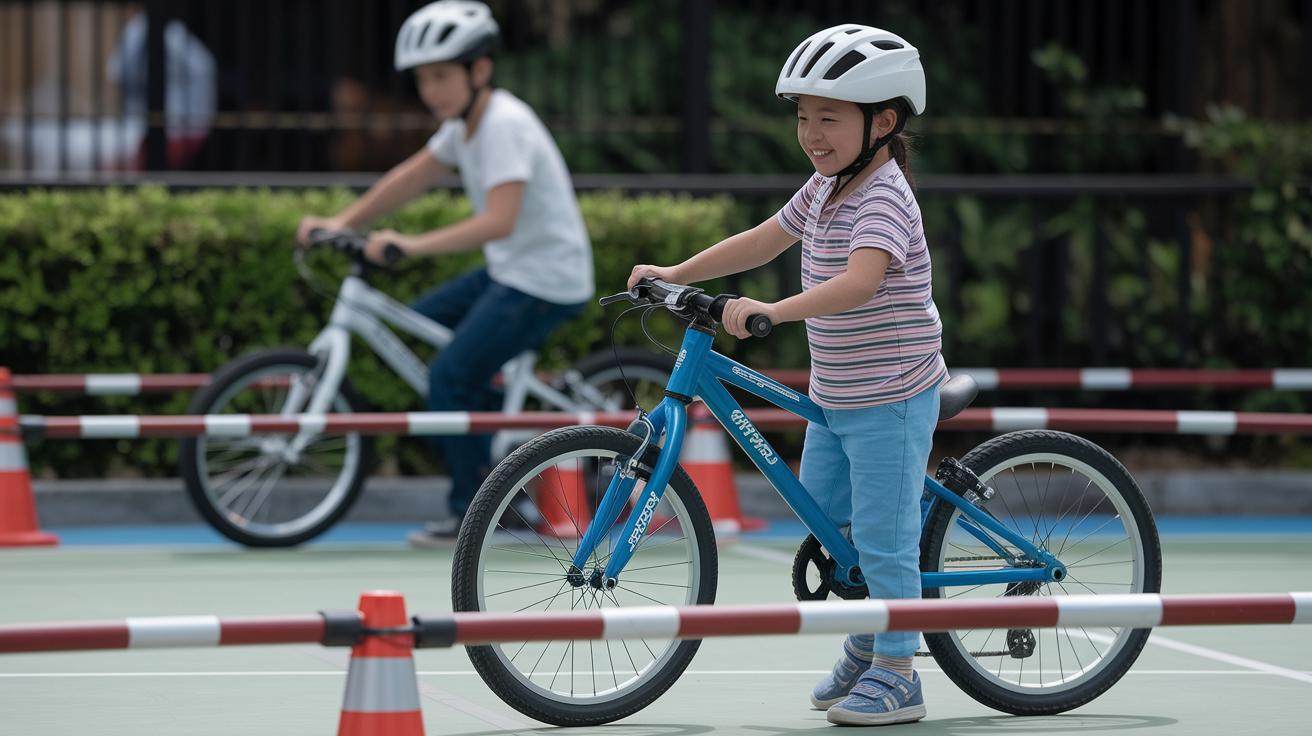
Resilience is really about bouncing back when times get tough. It’s like when a kid tries something new, stumbles a bit, and then gets up to try again. That little fall becomes a stepping stone for growing stronger.
Some studies tell us that about 70 million people in the U.S. have differences in learning and thinking, and roughly 200 million children around the world face challenges with their mental health. These numbers remind us how important it is for kids to build that emotional strength so they can handle hard times.
Good news is, resilience isn’t something kids are stuck with, it can be nurtured at home and at school. When parents and teachers stay calm and handle stress well, kids pick up smart ways to manage their feelings and face challenges with a positive spirit.
Positive parenting practices for helping children build resilience

Positive parenting is all about being calm and consistent, giving kids the space to try things on their own. When we don’t protect them from every little risk, we let them learn and grow from real experiences. It's like saying, "It's okay to make mistakes," so they learn to bounce back when challenges show up.
One idea to try is a “no-rescue” approach. Imagine your child working on a tricky puzzle. Instead of jumping in to help right away, why not ask, "What do you think happens next?" This little question can help them figure things out on their own and feel proud of their own smarts.
Another tip is to bring back familiar routines after a tough day. For example, one mom went through a really hard time and turned to professional help to regain her peace of mind. By setting up regular meal times and a steady bedtime, she created a safe, comforting environment for her daughter to feel secure and bounce back.
This kind of steady, loving guidance can really set the stage for kids who know they can overcome life’s bumps. When parents combine gentle support with clear boundaries, kids start to trust themselves and grow into independent, confident little people.
Cultivating problem-solving skills and growth mindset techniques for helping children build resilience
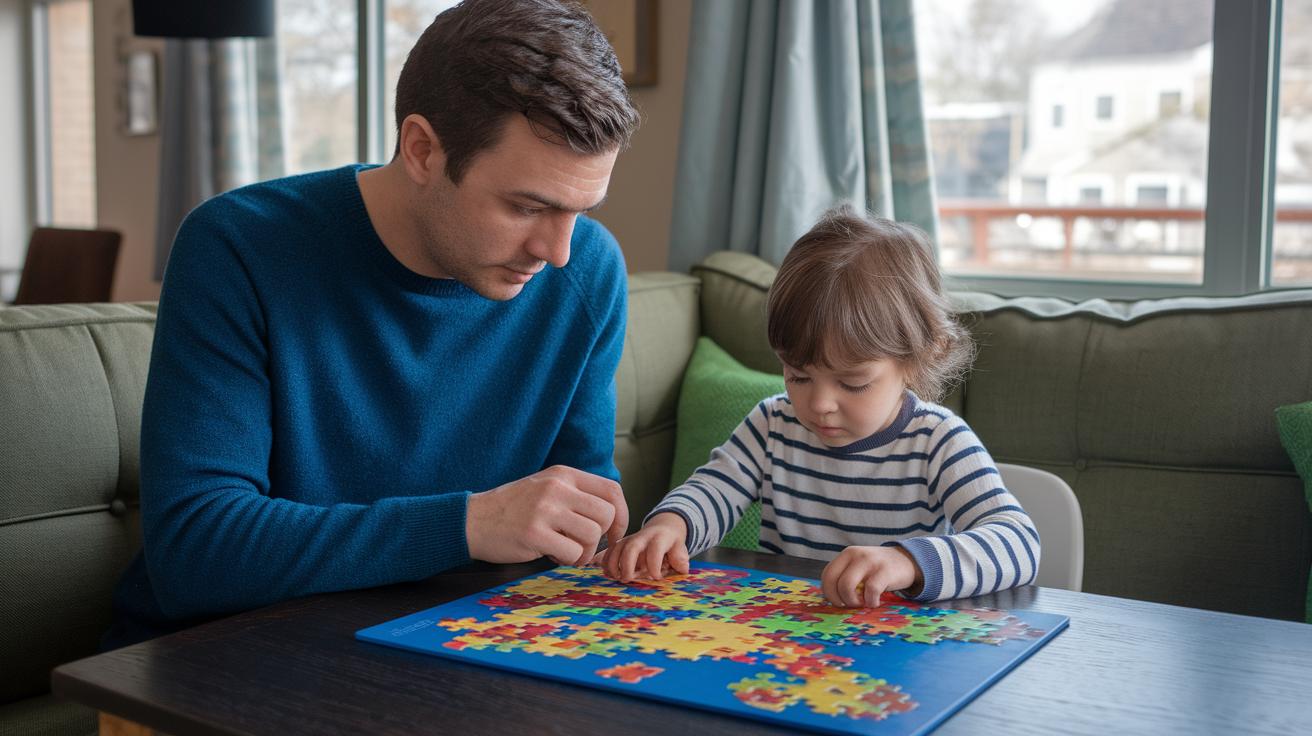
Kids learn best when we guide them rather than hand them all the answers. Picture your little one facing a small puzzle, maybe you ask, "What will you try next?" or "How might this piece fit in?" Simple, open questions like these help spark their independent thinking. It feels great to see them explore, and a quick "I really like how you looked for different ideas" can boost their confidence to take on bigger challenges.
Teaching problem-solving through guided challenges
Create little everyday moments where your child can practice problem-solving. Start with something small, like sorting toys by color or finding a hidden item in the room. Ask a question such as, "What’s another way you might put these together?" and let them try without stepping in too soon. This gentle approach shifts their focus from worrying about mistakes to enjoying the fun of discovering what works.
Encouraging a growth mindset via process praise
Celebrate the way they put in effort, not just the final result. Instead of only saying, "You're so smart," try, "You tried different ways and kept going." This kind of praise shows that learning is a process, full of trial and error. When we model calm and adaptable thinking, we remind our kids that every challenge is a chance to learn and grow.
Emotion regulation and stress management skills to support resilience in children

Helping kids notice and manage their feelings is a big part of building their inner strength. When our little ones learn to spot what they feel and figure out how to handle it, they’re better prepared for daily bumps and bigger challenges. It’s all about giving them a solid base to lean on when school or playtime gets tough.
One fun way to do this is by practicing deep breathing together. You might say, "Breathe in like you're smelling a flower, then let it out like you're blowing a dandelion." This simple trick helps calm their busy minds when emotions take over. And sometimes it helps to name those feelings. Saying things like, "I see you feel a little frustrated," can turn big, confusing emotions into something easier to understand and manage.
Another great idea is to create a calm-down spot at home or in the classroom. This little corner might have soft pillows, a couple of stress balls, or even a cozy blanket, anything that makes the space feel safe. These quiet moments not only ease stress right then and there, but they also help kids build habits that support them for life. With a little practice every day, handling strong emotions can become as natural as a warm, comforting hug.
Mindfulness exercises and self-esteem building for nurturing resilience

Mindfulness activities give kids a chance to slow down and feel strong inside. They help little ones ease their worries and see that every day has its own moments of calm and cheer. Kids learn to pay attention to their feelings, express themselves through art or simple tasks, and build their confidence bit by bit.
Here are a few ideas to try:
- Self-guided 10-minute “ADHD Unstuck” mindfulness session: This is a fun, simple activity made for kids who have attention differences. It helps them settle their busy minds and be in the moment.
- Short guided meditations: These are quick sessions with gentle prompts. They help children relax, picture peaceful scenes, and let go of nervous thoughts.
- Gratitude journals and creative arts breaks: Encourage kids to write down one good thing from their day or explore drawing and crafting. This helps them express their feelings and builds their self-confidence.
Spending just a little time each day on these mindful moments can make a big difference. As kids get better at handling stress, they build up a steady inner calm and a growing sense of self-worth that lasts.
Collaborating with schools and communities when helping children build resilience
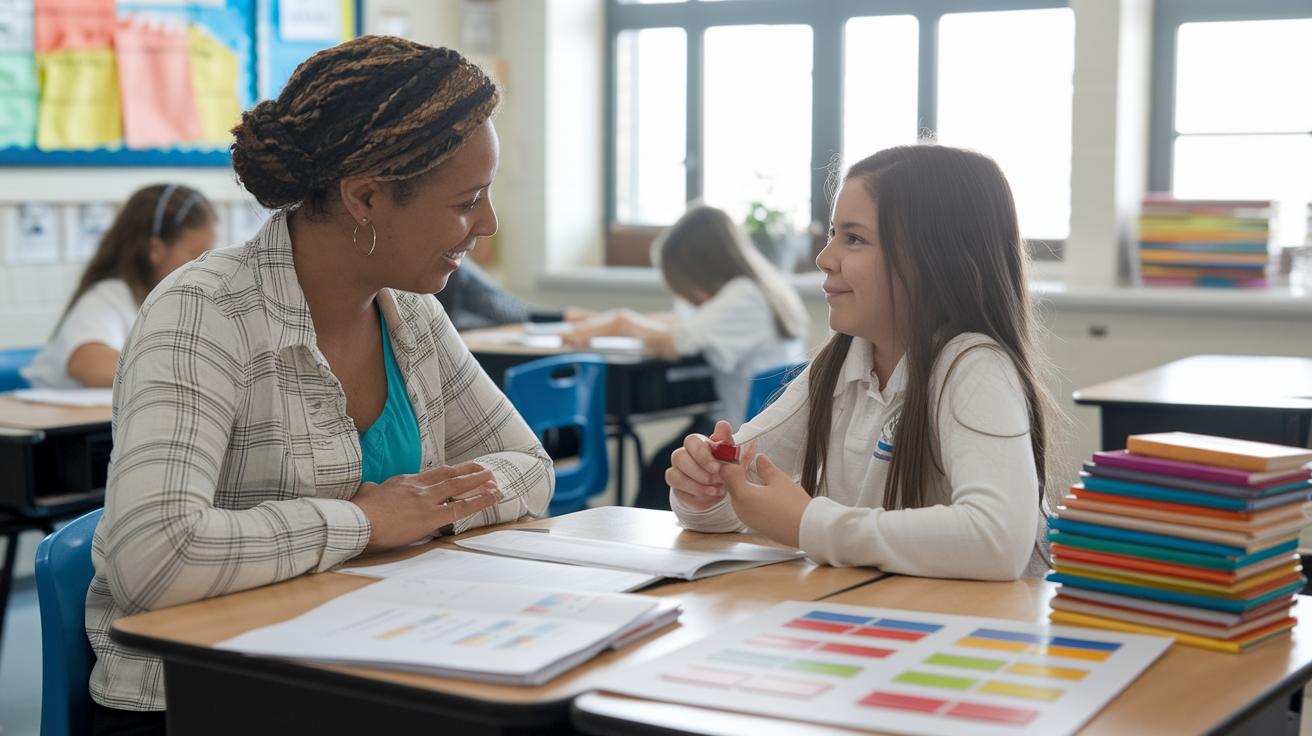
When children get a little extra help, they discover hidden strengths. Schools aren’t just about lessons; they’re caring places where plans like the 504 Plan and special tools (to help with learning) support kids who learn differently. Community programs, from small support groups to fun activities, set up new routines that bring back the calm after a tough day. It reminds children that they’re never alone and that caring resources are always nearby.
| Resource Type | Purpose |
|---|---|
| 504 Plan | School support for kids who learn differently |
| 10-Minute ADHD Unstuck Session | Quick mindfulness guide to help focus |
These school and community tools help build not just smarts but a safety net for every child. When schools and local groups work together, families feel stronger, and kids learn to face everyday bumps with confidence. It’s amazing how a little support makes challenges look like just small obstacles instead of huge roadblocks. This caring network creates a warm space where children feel ready to grow, both in school and in life.
Final Words
In the action, we broke down practical tips for building a nurturing space, from guided choices to encouraging little mistakes that lead to growth. We highlighted daily practices like calming exercises, simple skill-building, and working with schools and communities to support kids. These steps make a real difference in helping children build resilience and gain confidence in handling tough moments. Every small step can spark big changes, leaving your child ready to face each day with a bright, hopeful smile.
FAQ
How can I build resilience in a sensitive child?
Building resilience in a sensitive child means supporting their emotional growth by gently guiding them through challenges, encouraging small, manageable risks, and helping them learn from each setback.
How can teachers build resilience in students?
Teachers build resilience in students by fostering a supportive environment, allowing safe mistakes, guiding independent problem-solving, and celebrating effort to grow confidence in handling challenges.
How can I promote resilience in early years and at school?
Promoting resilience in early years and at school involves creating routines that allow children to face small challenges, model calm responses, and encourage thoughtful decision-making to build their coping skills.
What activities help build resilience in children?
Resilience-building activities include guided problem-solving tasks, age-appropriate risks like safe independent play, skill-building exercises, and creative arts breaks, all of which boost confidence and adaptability.
How can I help children develop resilience and essential problem-solving skills?
Helping children develop resilience and problem-solving skills means letting them experience and learn from mistakes, encouraging guided choices, and modeling calm, adaptive responses to everyday challenges.
What are the 7 C’s of resilience in children?
The 7 C’s of resilience include Competence, Confidence, Connection, Character, Contribution, Coping, and Control, describing key qualities that help children manage setbacks and grow stronger.
What causes low resilience in children?
Low resilience in children is often caused by overprotection, missed chances to solve problems independently, limited exposure to everyday challenges, and not receiving supportive feedback during tough times.
What are five ways to build resilience in children?
Five ways to build resilience in children include allowing age-appropriate risks, teaching concrete skills, encouraging independent decision-making, letting them learn from mistakes, and using positive language to reinforce effort.


