
Ever wonder if your nursery is as safe as it could be? Picking out furniture isn’t just about making it look pretty, it’s really about keeping your little one secure. Think of it like checking a food label at the store; you want every ingredient to be just right for your family.
This guide walks you through simple steps to spot trusted safety marks, strong designs, and materials free from harmful chemicals. Follow these tips, and you’ll create a cozy, secure space where your baby can thrive while giving you that reassuring feeling of peace.
Step-by-Step Guide to Choosing Safety Features in Nursery Furniture
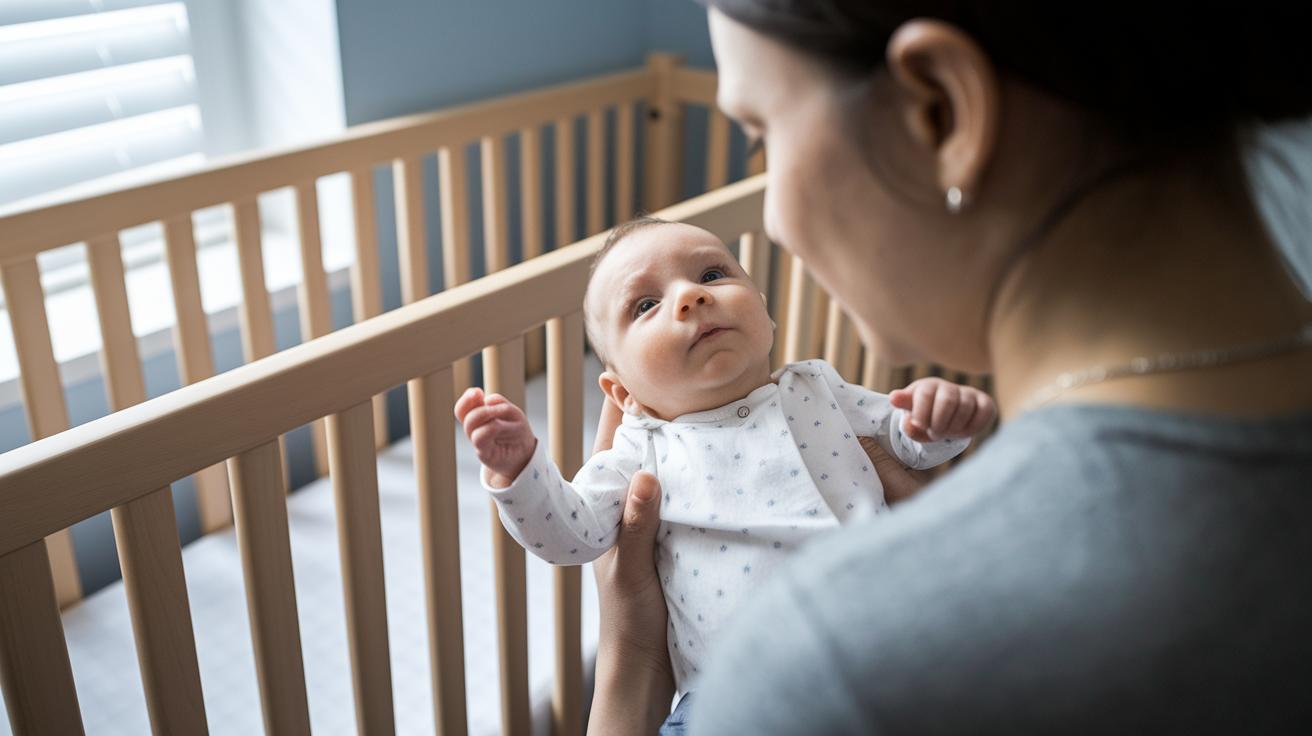
When it comes to nursery furniture, safety always comes first. Think of checking every little detail like you would read the label on your favorite snack, you want to be sure it’s just right for your baby.
Taking a step-by-step approach makes the process feel less overwhelming. It’s like following a recipe for a favorite treat. First, you start fresh, then check each feature carefully, so you end up with a nursery that’s both safe and inviting.
Here are a few simple steps to help you get started:
- Identify certified products – Look for items with trusted safety marks (official sign-offs that show the product has passed strict tests).
- Assess material safety – Make sure the finishes and paints are non-toxic and safe (think food-grade paints that are gentle on your little one).
- Verify stability – Ensure the furniture is solid and has features like rounded edges and anti-tip bases to keep your baby safe.
- Compare feature sets – Look at options available in different set sizes and pick the one that fits your space and meets your safety needs.
Following these steps can help ease your mind, knowing that every piece in the nursery has been chosen with care and safety in mind.
Understanding Safety Standards and Certifications in Nursery Furniture
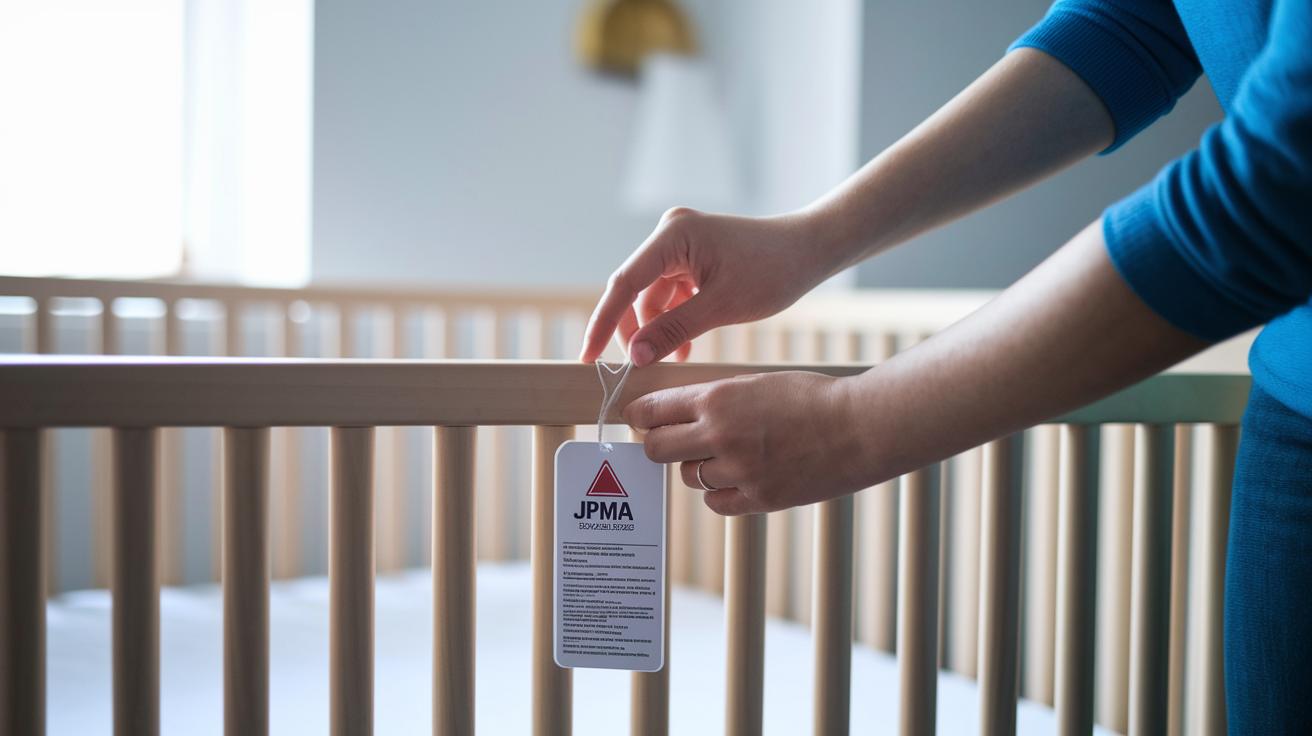
When you're picking out nursery furniture, trusted certifications matter. They show that the item has been tested carefully and meets solid safety rules. It's a bit like checking the ingredients on your favorite snack – you want to know it's good for your little one.
These labels mean that pieces like cribs and changing tables have been looked over with a fine-tooth comb, so you know they were built with care and the highest safety standards in mind. It’s reassuring when you know every part of your baby’s world was made with their well-being in heart.
Some of the important certifications to keep an eye on include:
- JPMA – This label tells you that the furniture has passed tough performance and durability tests.
- ASTM F2194 – This one focuses on careful safety checks made just for nursery furniture.
- CPSC Compliance – This shows that the product meets consumer safety rules designed to keep hazards away from little ones.
| Certification | Governing Body | Key Focus |
|---|---|---|
| JPMA | Joint Product Manufacturers Association | Performance and durability testing |
| ASTM F2194 | American Society for Testing and Materials | Thorough safety testing specific to nursery furniture |
| CPSC Compliance | Consumer Product Safety Commission | Safety rules and hazard prevention |
Key Safety Features to Look for in Nursery Furniture: From Rounded Edges to Anti-Tip Bases
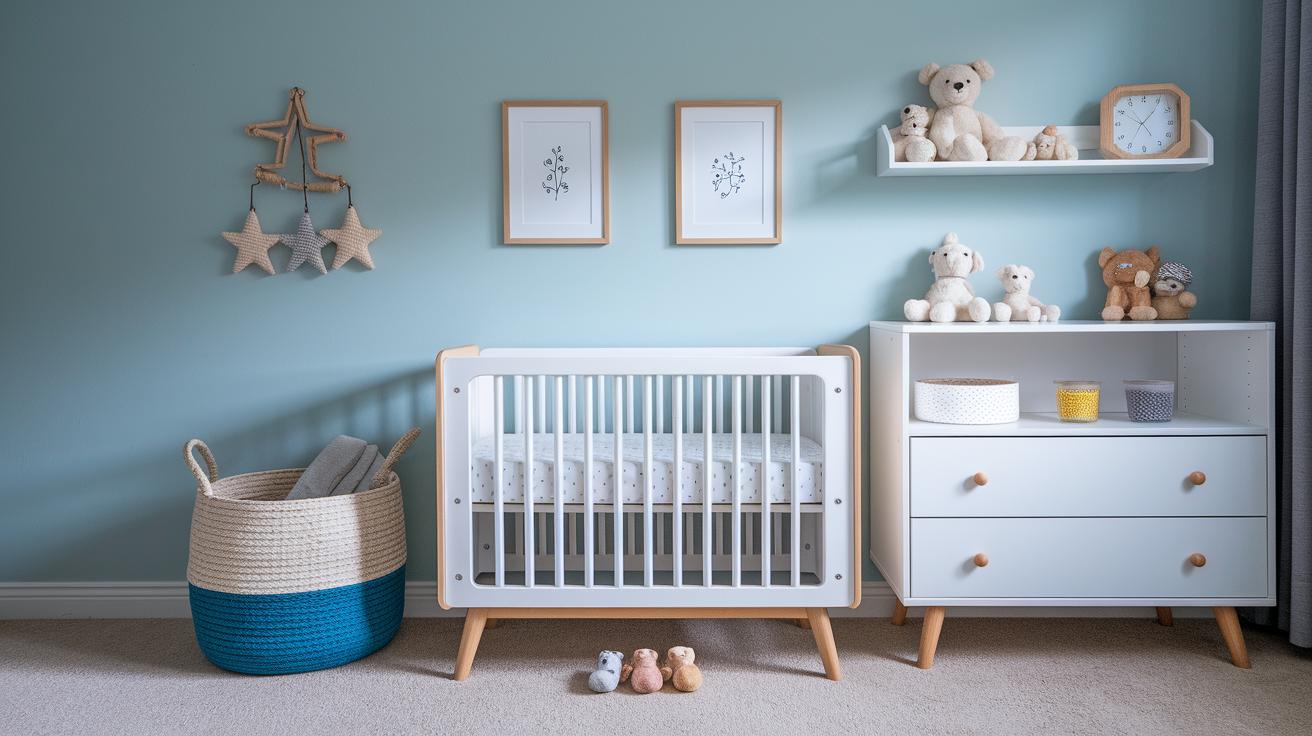
When you're setting up a nursery, safety is always a top priority. It's a lot like choosing a soft, cozy blanket for your little one, it’s all about care and comfort. Look for pieces that are built strong and finished with non-toxic (safe for your baby) materials. Each detail is meant to create a space that feels as warm and secure as a hug.
- Rounded edges help soften corners, keeping bumps to a minimum.
- Non-toxic finishes use food-grade paint that keeps harmful chemicals away.
- Anti-tip straps secure the furniture so nothing topples over unexpectedly.
- Sturdy construction means each piece can handle daily use without worry.
- Secure latches keep drawers and doors closed, so curious little fingers stay safe.
- Impact-resistant surfaces offer extra protection against bumps and knocks.
- Gap hazard prevention reduces spaces where little fingers might get caught.
- Soft-close drawers help avoid sudden slams that might startle or hurt your baby.
When planning your nursery, think about the size of your room and your budget. In a snug space, a few smart safety features might be all you need. In a larger room, you can include extra touches like soft-close drawers and impact-resistant surfaces. Spending a bit more on these essentials means you’re crafting a safe, nurturing haven where every item is chosen with your baby’s well-being in mind.
Comparative Analysis of Top-Rated Nursery Furniture Brands for Safety
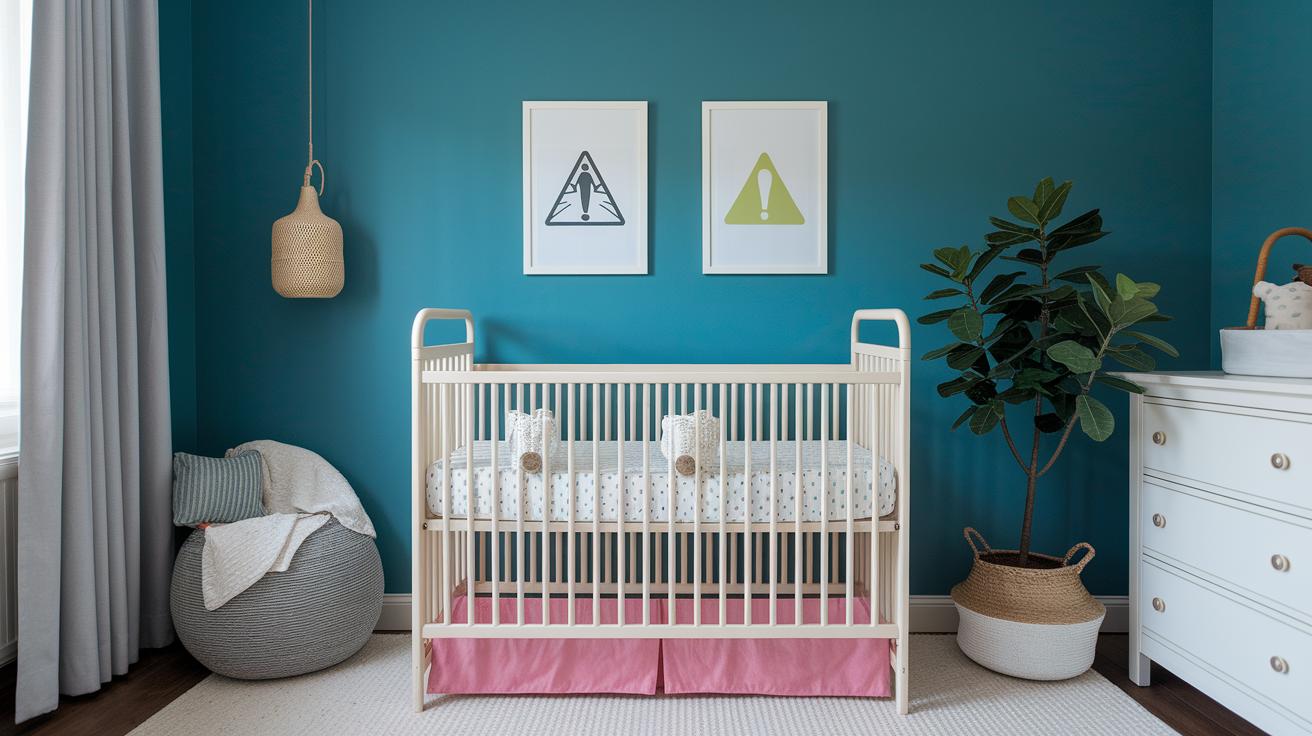
When choosing nursery furniture, safety comes first. It’s smart to compare brands by looking at how each product meets strict testing and quality standards. Look for items built with secure designs and solid certifications that promise durability. This guide sorts the top products into clear categories to help you feel confident in your decision.
Cribs are a must-have in any nursery. Safety is key here. Make sure a crib comes with trusted safety labels, anti-tip designs, and sturdy construction. Use non-toxic materials that keep every part safe for your little one. Some brands even add extra locking systems to give you more peace of mind.
Dressers and storage options also need careful thought. Check that these pieces have features like drawer stops and tip-over anchors. Soft-close hardware is another bonus, it helps prevent little mishaps like pinched fingers. When every joint and finish looks well made, you know you’re choosing a product that’s safe and built to last.
Changing tables require special attention too. They should have guardrails of the right height, secure latches, and a stable base. Good design means there’s enough space for safe changing, with firm guardrails and locking parts that work together to stop falls.
| Category | Brand Example | Safety Feature Highlight |
|---|---|---|
| Cribs | Example Crib Co. | Anti-tip design and certified materials |
| Dressers & Storage | Secure Storage Inc. | Drawer stops and tip-over anchors |
| Changing Tables | Guarded Changes | Sturdy frame with secure latches |
Furniture Risk Prevention Checklist for a Hazard-Free Baby Room
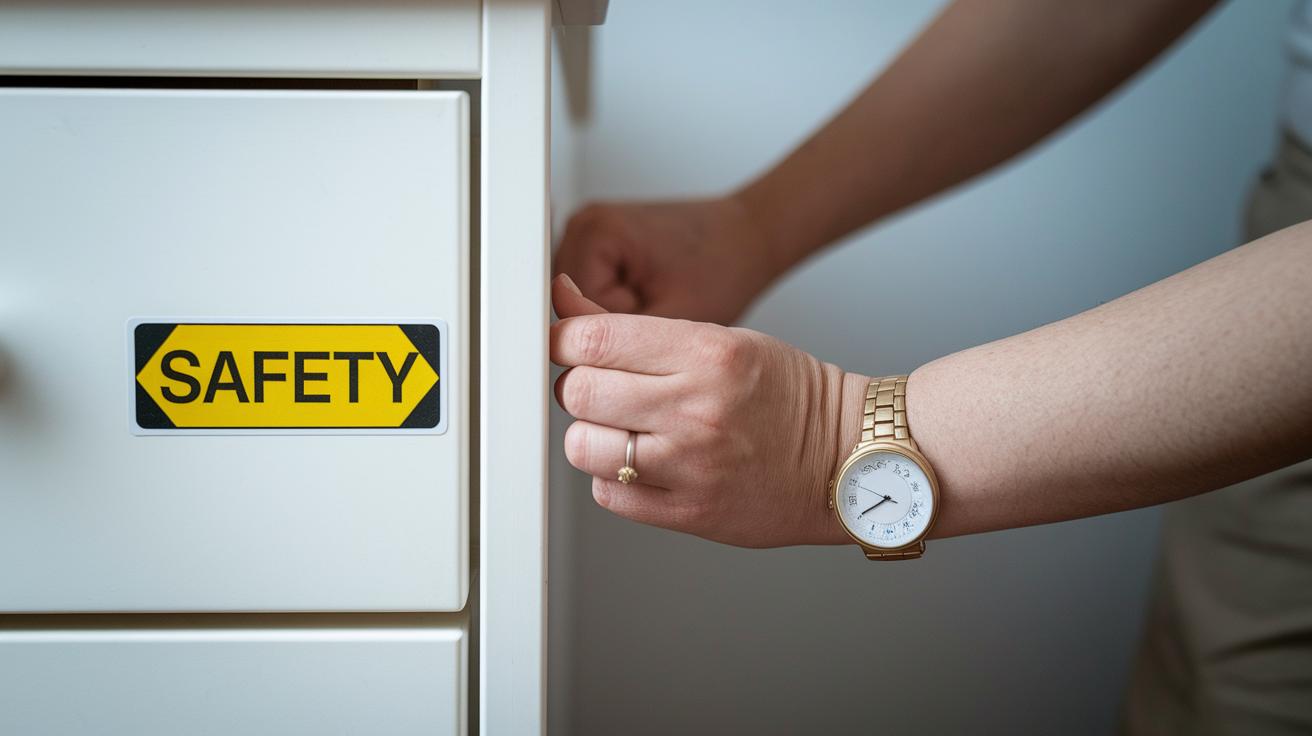
Making a baby room safe is all about the little details. This checklist is your friendly guide to review each piece of furniture, ensuring everything is set up right for your little explorer. Even a sturdy dresser can pose a risk if it isn’t properly secured, and tiny adjustments like checking the paint’s safety certification (which means it’s been tested for harmful chemicals) or making sure edges are gently rounded can go a long way in creating a safe space.
Take a moment to inspect and secure items like knobs and locking mechanisms. By measuring clearances and confirming that furniture is firmly anchored, you’re taking simple steps that add up to major safety wins. Whether your baby loves to scamper or sit and observe, each step on this list helps you keep the room safe and welcoming.
- Verify anti-tip straps
- Inspect paint certification
- Confirm edge radius
- Anchor furniture
- Test drawer stops
- Measure clearances
- Secure knobs
- Check locking mechanisms
- Review finish ingredients
- Assess balance
Secure Assembly and Installation Guide for Nursery Furniture
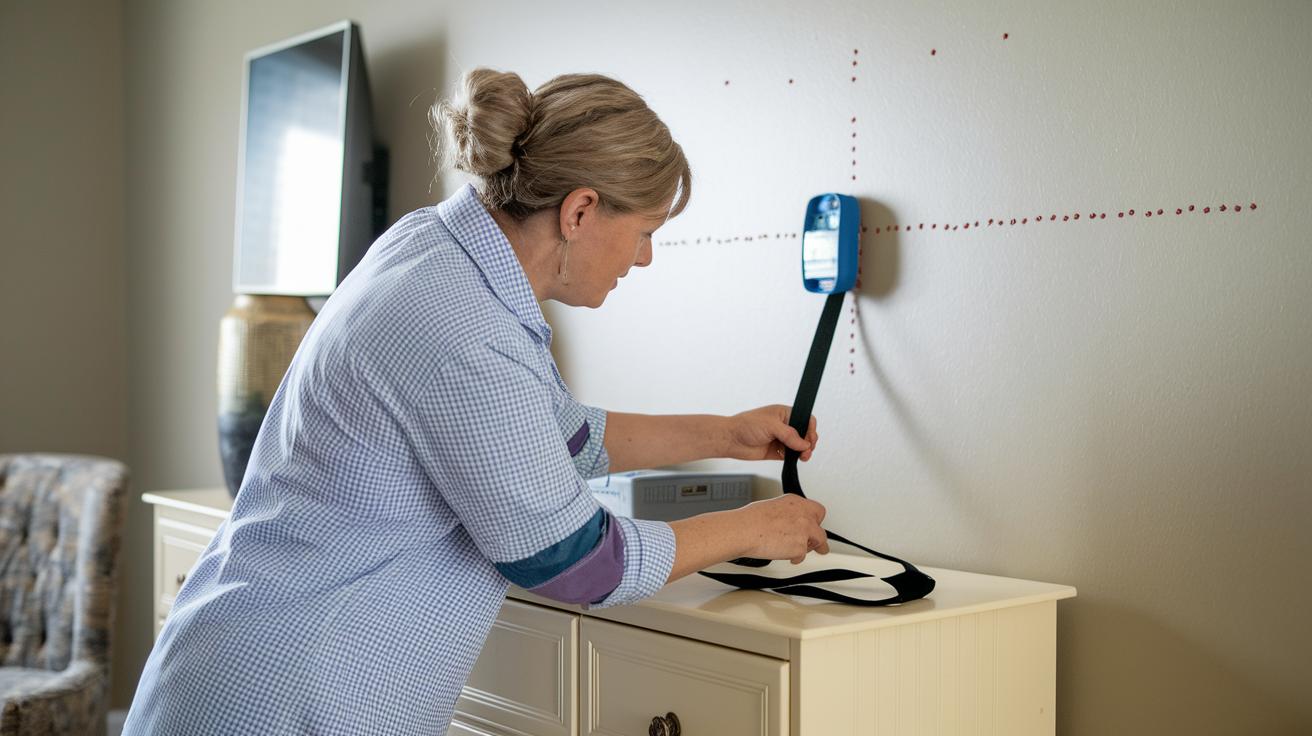
When setting up your nursery furniture, making sure everything is assembled right is super important. Incorrect installation can lead to wobbly dressers or unstable furniture, and that could put your little one at risk. Think of it like putting together a puzzle, each piece needs to lock in perfectly to keep the room safe.
Anchoring Dressers
Start with the dresser by securing the anti-tip straps. First, find the solid parts in your wall using a stud finder (a tool that locates wall studs) and mark where the straps will go. Then, attach the straps tightly to both the furniture and the wall. It’s similar to hanging up a picture, but with extra steps to make sure your baby’s space stays secure.
Leveling & Balance
Next, adjust the furniture’s feet so everything is level. Use a simple leveling tool (a device that checks if surfaces are even) to see if the boards lie flat on the floor. Carefully adjust each foot until your dresser or changing table is perfectly balanced, just like checking that a table is sturdy before setting your favorite vase on it.
Taking these steps seriously helps you relax, knowing your little one is safe. And if you’re ever unsure or need a bit of extra help, don’t hesitate to call a professional at (323) 498-9683.
Maintaining and Inspecting Safety Features in Nursery Furniture Over Time
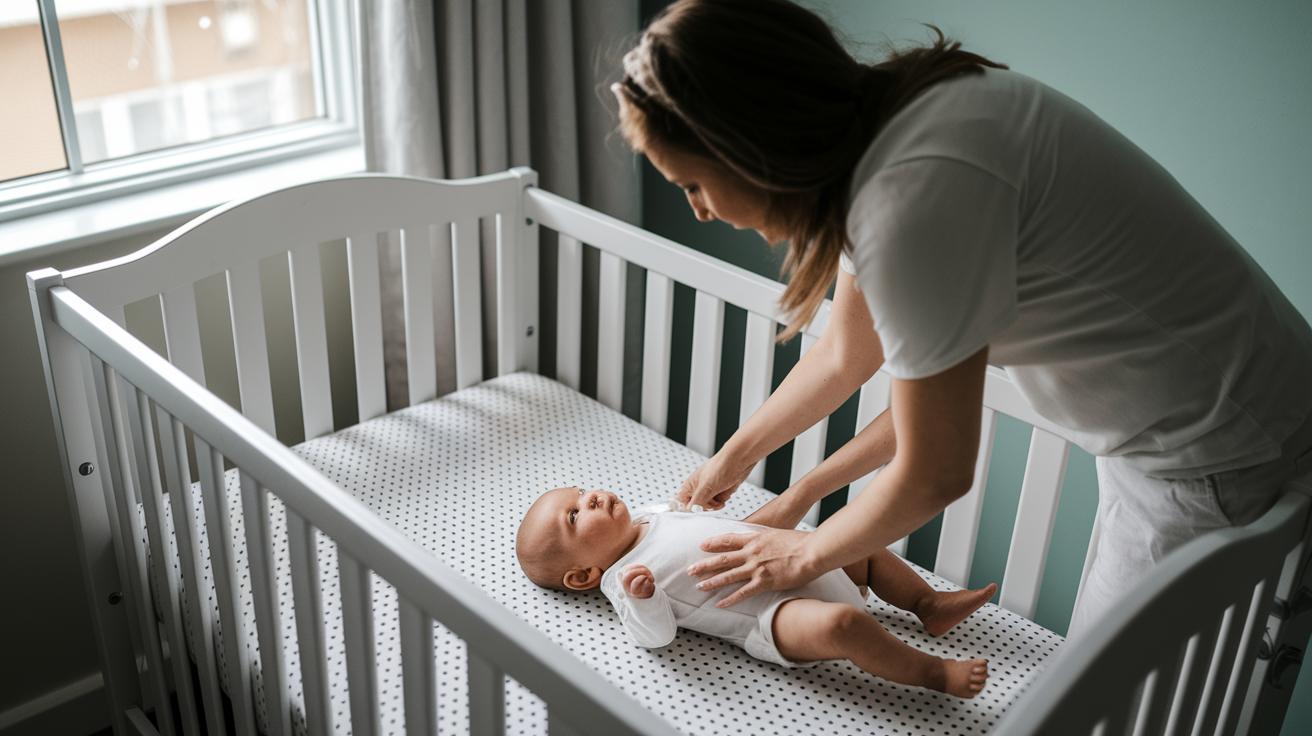
Checking on your nursery furniture every now and then is a simple way to keep your baby's space safe and sound. Over time, everyday use can cause little shifts that might affect how sturdy everything is. By following the manufacturer's advice for routine checks, you can spot small issues before they grow into bigger problems. This steady care not only keeps your furniture working well for years to come, but it also lets you breathe easier knowing your little one is protected.
Here are a few ideas to keep in mind:
- Tighten all the hardware – Take a moment to check screws and connectors to make sure nothing is loose.
- Test the latches – Give each latch a try to ensure it clicks securely.
- Inspect the finishes – Look closely for any signs of wear or scratches that might show the material underneath.
- Replace worn straps – If any of the safety straps seem tired or damaged, swap them out.
- Review recall notices – Stay updated with any safety recalls or news from the manufacturer.
By making these quick checks a part of your routine, you create a safer environment that feels as cozy and reliable as a gentle, reassuring hug for your baby.
Final Words
In the action, this guide to choosing safety features in nursery furniture walks you through key evaluations, from checking certifications and non-toxic finishes to ensuring stable construction and secure installation.
Each section paired clear, step-by-step ideas with practical tips, giving you peace of mind when setting up your baby’s space.
Your new approach supports informed decisions, keeps your little one safe, and saves money. Enjoy building a nurturing, secure nursery that feels like home.
FAQ
What should I include in a nursery safety checklist?
A nursery safety checklist should include verifying anti-tip straps, confirming non-toxic finishes, checking for rounded edges, and securing furniture with proper clearances. This helps create a safe baby room.
What factors should I consider when choosing nursery furniture?
Choosing nursery furniture means checking for recognized safety certifications, sturdy construction, rounded edges, and non-toxic finishes to ensure that the items set up a secure space for your little one.
Which safety features must be considered when purchasing an infant crib?
Purchasing an infant crib requires verifying safety certifications, an anti-tip design, solid construction, and secure crib placement. These features work together to meet current crib safety standards.
What are the must-have safety items for babies?
Must-have safety items include anti-tip straps, secure latching mechanisms, non-toxic finishes, and proper anchoring of furniture. These items help lower risks and protect your baby in every room.
What are the current safety standards for baby cribs?
The current safety standards for baby cribs require certifications such as JPMA, ASTM F2194, and CPSC compliance. These standards ensure sturdy construction and design elements that reduce potential hazards.
How do nursery decor and child safety recommendations work together?
Nursery decor and child safety recommendations work together by promoting safe furniture placement, non-toxic materials, rounded edges, and proper installation practices that create both an attractive and secure environment.
Is baby powder safe to use for my baby?
Baby powder safety means using products designed to reduce irritants with hypoallergenic formulas. Following pediatric advice and product instructions can help prevent any unwanted respiratory concerns.


